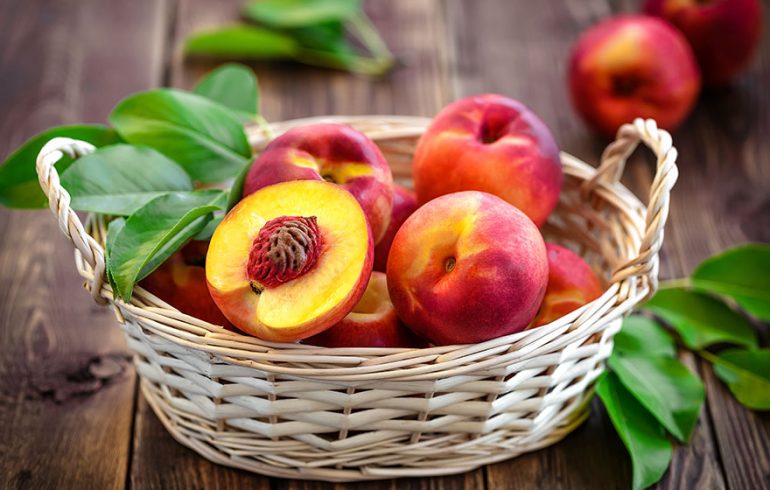
The benefits of nectarines, scientifically known as Prunus persica, range from reducing cancer risk to improving heart health.
Nectarines are well-known for their impressive nutritional profile and originated in China about 2,000 years ago.
Nectarines are excellent sources of beta-carotene, vitamin C, and lutein—nutrients that offer extraordinary benefits. They boost immunity, protect vision, and prevent numerous life-threatening diseases. They also help improve skin health.
Nectarines are also rich in fiber. The benefits of fiber need no special mention. They aid digestion both mechanically and by contributing to a diverse microbiome (fiber feeds the probiotics in the gut) and combat several abdominal conditions, including stomach and colon cancer. Additionally, the potassium in nectarines can help manage blood pressure levels.
Health Benefits of Nectarines
1. Help Prevent Cancer
In a study conducted at Texas A&M University, mice were given an extract from nectarines. The findings stated that nectarines induced apoptosis in cancer cells. The study also showed that nectarines with a deep red skin color have the highest cancer-fighting properties.
According to another study from Boston, consuming at least 2 servings of nectarines or peaches in a week can reduce the risk of breast cancer in postmenopausal women.
It was found that quercetin and chlorogenic acid in nectarines stop the proliferation of cancer cells. And since the fruit is an extraordinary source of antioxidants, it may play a role in cancer prevention.
2. Have Anti-Diabetic Properties
Are nectarines good for diabetics? According to ScienceDaily, a leading online science website, nectarines contain bioactive compounds that help prevent obesity-related diabetes. The phenolic compounds in the fruit have anti-diabetic properties.
Raw nectarines have a glycemic index of 43, which is on the lower end.
The phenolic compounds in nectarines not only help combat diabetes but also prevent heart disease by reducing the oxidation of bad cholesterol.
Nectarines can also help in the fight against metabolic syndrome, which is one of those conditions that diabetics often suffer from.
However, a word of caution: some reliable sources suggest that nectarines are a high-sugar food, claiming that they could be harmful to diabetics. Consult your doctor if you are diabetic and wish to include nectarines in your diet.
3. Aid in Weight Loss
The natural substances in nectarines fight inflammation and create a domino effect that helps combat obesity. And, as we have seen, they can prevent metabolic syndrome, which would otherwise lead to weight gain.
The fiber contained in nectarines is mostly soluble, which, according to a report from the Centers for Disease Control and Prevention, can aid in weight loss. Fiber does this by turning water into a gel-like substance in the intestines, which then prevents the absorption of cholesterol and fats into the bloodstream. This contributes to healthy weight loss. Soluble fibers also reduce bad cholesterol in the body.
4. Provide Antioxidant Defense
According to a Spanish study, the phenolic substances and flavonoids in nectarines offer antioxidant properties.
According to another American study, the antioxidants in nectarines reduce oxidative damage and promote longevity. The consumption of fruits has been linked to repairing DNA damage.
Nectarines provide twice as much vitamin A, more vitamin C, and much more potassium than peaches.
Other stone fruits you can consume to improve the antioxidant content of your diet include prunes, cherries, plums, apricots, and peaches.
5. Prevent Hypokalemia
Hypokalemia is a deficiency of potassium in the blood. And nectarines, given their mineral richness, can help treat this condition.
According to a report from Harvard Medical School, low potassium levels can lead to weakness of the heart muscles and rhythm disturbances.
Potassium regulates the content of acid and water in the body’s tissues. It helps build muscles, supports growth, and improves the functioning of nerve cells. All of these could be affected if hypokalemia occurs.
According to the Institute of Medicine, an adult should consume 4,700 milligrams of potassium per day to prevent hypokalemia. However, nectarines may not be sufficient to balance potassium levels. If potassium levels are low, it may be necessary to consider medical supervision for supplements. Always consult your doctor before starting any supplement, especially in the case of electrolytes. Electrolyte imbalances can lead to imbalances in the body.
6. Regulate Blood Pressure Levels
Potassium helps regulate blood pressure levels. And we just saw how rich nectarines are in potassium. Diet is important, especially in cases like hypertension. Many doctors have managed to lower excessively high blood pressure levels simply by modifying their patients’ diets.
The potassium in nectarines works by relaxing the walls of blood vessels. However, people with kidney conditions need to be cautious as the mineral can be harmful to them; they may need to follow a potassium-restricted diet.
According to certain observations, potassium can also act as a diuretic and, therefore, can reduce extracellular fluid volume—this can lower blood pressure to some extent.
Hypertension medications reduce the risk of heart attack and stroke by 15% and 25%, respectively. But they also come with certain side effects. Therefore, it is better to prevent than to cure.
7. Improve Heart Health
The fact that nectarines help lower blood pressure is enough for someone to consider their benefits for heart health. Additionally, the fruit is rich in vitamin C, an antioxidant that can help maintain heart health.
The fiber in nectarines can also contribute to a healthy heart.
White-fleshed nectarines are known for maintaining heart health by regulating cholesterol levels in the blood.
8. Improve Digestive Health
According to a report from Michigan State University, the fiber in nectarines can improve digestive health. Nectarines can also provide relief from constipation.
The fiber in nectarines can stimulate the growth of beneficial gut bacteria. Nectarines are naturally rich in prebiotics, which can significantly improve digestive health as they serve as fuel for probiotics, the living organisms in your body.
9. Lower Cholesterol
Soluble fibers lower cholesterol levels. And since nectarines are great sources of fiber, a medium nectarine contains about 2.2 grams of fiber.
According to a report, an intake of 5 to 10 grams of soluble fiber each day can reduce bad cholesterol levels by up to 5%.
One way to incorporate nectarines into your diet to lower cholesterol is to include the fruit (sliced) in breakfast cereals. You can also eat whole fruits as an evening snack with some yogurt or cottage cheese.
10. Boost Immunity and Fight Infections
One of the best benefits of nectarines is their potential to boost immunity. The vitamin C content of the fruit can strengthen immunity. Additionally, vitamin C helps the body in the process of regenerating vitamin E, which is another nutrient that fights free radicals and supports the immune system.
Beta-carotene and other carotenoids in nectarines contribute to the immune function of the body.
And the vitamin A in nectarines can help combat infections. It strengthens cell walls and protects mucous membranes from invading bacteria.
11. Improve Cellular Health
The vitamin A in nectarines enhances cellular communication. It promotes cell development by encouraging immature cells to develop into fully functional tissues.
According to a study from Philadelphia, vitamin A deficiency in pregnant mothers can limit the growth and development of their babies.
Vitamin A has been shown to help T cells (the cells responsible for immunity) in the intestines navigate to necessary areas for repair and maintenance. It also plays a role in the development of white blood cells.
A report from the University of Rochester Medical Center states that vitamin C can influence cell development.
12. Improve Eye Health
Nectarines are rich in lutein and zeaxanthin, carotenoids found in the retina. Consuming them improves the pigment density in the macula. They protect the eyes by neutralizing free radicals and are usually found together in foods.
The beta-carotene in nectarines supports eye health and may prevent macular degeneration. A serving of nectarines contains about 214 micrograms of beta-carotene.
A higher intake of lutein and zeaxanthin can reduce the risk of cataracts and age-related macular degeneration, and it is important to note that these two diseases have limited treatment options. Therefore, it is easier to try to prevent them.
13. Help Prevent Anemia
We know that iron helps prevent anemia. And even though nectarines are not particularly rich in minerals, the vitamin C in them helps improve iron absorption in the body.
In other words, the higher the amount of vitamin C in foods, the better the absorption of iron. But we must note that most foods do not come fortified with vitamin C—this is why including vitamin C-rich foods, like nectarines, is very helpful.
This applies even if you are taking an iron supplement for anemia. You can take about 240 milliliters of nectarine juice along with the iron pill for optimal iron absorption. But, as always, consult your doctor.
It is also important to mention that fresh or frozen fruits (nectarines, in this context) have more vitamin C than canned varieties. Vitamin C is quite sensitive to heat, so it can degrade during cooking.




