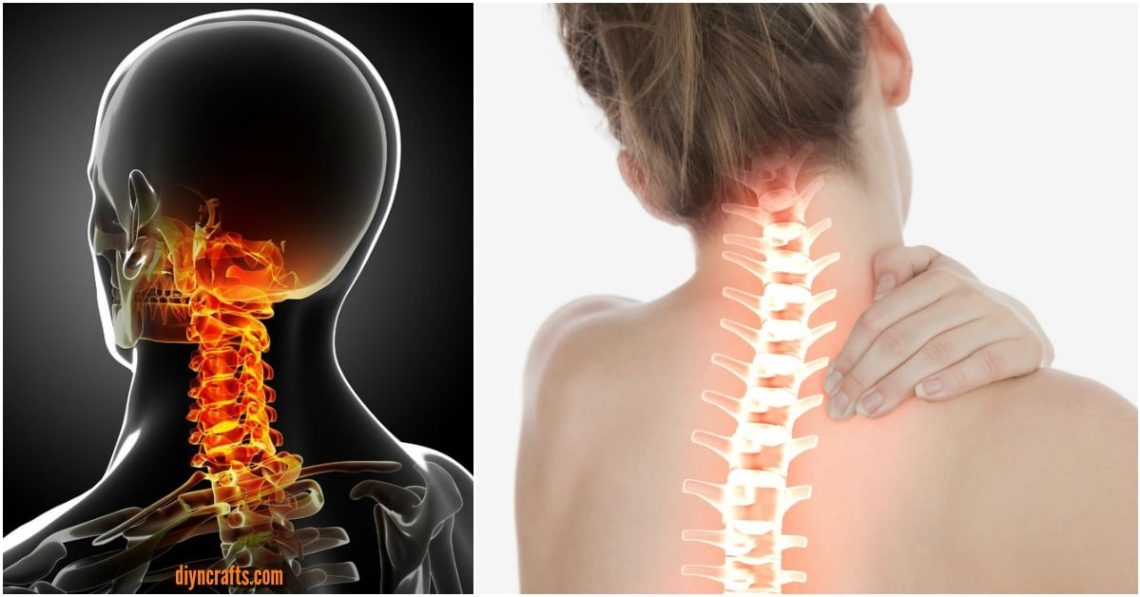
A stiff neck is one of the most common muscle pains experienced by both children and adults. Common triggers include poor posture, sports-related injuries, tension from physical activities, and repetitive micro-traumas—all of which can lead to neck stiffness. While pain may originate from the neck muscles, bones, and ligaments, a stiff neck is usually a sign of overuse or strain of the neck muscles.
Neck pain often stems from the spinal cord and is caused by certain changes (usually temporary) in nerve signals. The neck is very susceptible to stiffness, tension, and tightness due to its mobility, range of motion, and the vital role it plays in supporting the head during daily movements.
The intensity of a stiff neck varies greatly from person to person and depends on the cause of the pain. Some only experience mild, short-lived discomfort, while others face extreme pain, a feeling of tightness, and issues with normal functioning. As you will learn, much of the prevention of a stiff neck involves correcting posture, sleeping in a supportive position, and reducing stress.
5 Natural Remedies for Stiff Neck
It is believed that neck stiffness can be resolved without the need for medication or serious intervention. As a general rule, it is best to seek medical assistance if the symptoms of a stiff neck do not subside after about a week. Look for other aggravating symptoms to ensure that an underlying disease, infection, or condition is not to blame.
1. Chiropractic Care to Help Improve Posture
Chiropractors can help alleviate neck pain naturally by adjusting the curvature of the spine and providing specific adjustments. An added benefit is that chiropractors can show you useful posture exercises that you can work on at home. Chiropractors focus on spinal health, aiming for proper alignment to reduce muscle tension and lower the risk of strains or sprains.
Chiropractic adjustments and spinal rehabilitation exercises teach you to develop proper posture of the neck, head, and shoulders, which can reduce pain while increasing range of motion and overall quality of life.
A study by the National Institutes of Health tested the effectiveness of various treatment approaches for reducing neck pain: either spinal manipulation therapy by a chiropractor, pain medications (over-the-counter pain relievers, narcotics, and muscle relaxants), or exercise. After 12 weeks, 57% of those who met with chiropractors and 48% who followed an exercise program reported at least a 75% reduction in neck pain.
In contrast, only about 33% of those in the medication group experienced similar improvements.
2. Exercise
Regular physical activity is important for keeping stress hormones in check, improving muscle strength, reducing inflammation, helping you sleep better, and maintaining a healthy body weight. All of these factors reduce the risk of future injuries and are some of the greatest benefits of exercise.
Inactivity can lead to weakness in the muscles around the neck, while physical activity helps circulate oxygen to the soft tissues throughout the spine, promoting healing.
You can also work on improving the range of motion of your neck by practicing this simple exercise at home (avoid doing this exercise if you feel significant pain). Start by sitting in a chair with your back straight. Place your left hand behind your head and gently pull it at a diagonal angle toward your knee. Hold the stretch for 5 to 10 seconds, then relax for 5 to 10 seconds. Gradually increase the stretch by slowly bringing your head toward your chest in the direction of your knee until you reach a new endpoint. Repeat two or three times, but stop if the stiffness worsens.
3. Adequate Sleep
After exercising, make sure to prioritize good sleep (which means about seven to nine hours per night for most adults). Allow yourself enough time to recover with adequate rest between workouts and limit repetitive movements that increase pain. Take a break from physical activities for a few days if you feel significant pain, and when the pain subsides, start gently stretching your neck to accelerate healing.
When it comes to the best sleeping positions for a stiff neck, sleeping on your side is most recommended by doctors. If you choose to sleep on your back, try to keep your knees slightly bent upward, using pillows under your knees for support. Sleeping on your side keeps the spine in the best alignment, but make sure not to bend too much. A pillow between your knees in a side-sleeping position can also be helpful. You can use a small rolled towel just under your neck for additional support.
4. Eat an Anti-Inflammatory Diet
High levels of inflammation make muscles more susceptible to pain and injury—not to mention that inflammation weakens bones and joints, simultaneously reducing range of motion and the ability to heal naturally from injuries. If overall range of motion, strength, and flexibility are compromised, you face a higher risk of neck problems. Inflammation can make recovery from injuries more difficult.
You can help control inflammation and accelerate healing capacity by consuming a nutrient-rich diet. This means eating fewer empty calories, such as added sugars, processed meats, chemically sprayed crops, refined grain products, alcohol, and packaged snacks. An anti-inflammatory diet includes healing foods such as: leafy green vegetables; healthy fats, including extra virgin olive oil and coconut oil; protein sources like eggs, grass-fed meat, and wild-caught fish; and probiotic and fermented foods (such as cultured vegetables and yogurt).
5. Manage Stress and Pain with Natural Muscle Relaxants
Excessive stress leads to tension around the neck, shoulders, and head. This pain causes even more stress, creating a vicious cycle.
Physical exercises, professional massages, acupuncture treatments, and the use of essential oils at home are natural muscle relaxants that are beneficial for treating nerve-related issues.
Stretching and massaging painful areas help relax muscles, loosen tight tissues, increase blood flow, and even boost the production of calming chemicals that we naturally produce. Among these are endorphins, the same chemicals that make you feel good, produced during physical exercise. For a safe, at-home pain relief treatment using essential oils, try a massage with peppermint essential oil and carrier oils. It penetrates stiff muscles and reduces inflammation.
Other important factors for reducing inflammation throughout the body include using natural stress relievers, exercising, avoiding excessive alcohol and caffeine, and refraining from smoking and recreational drugs.




