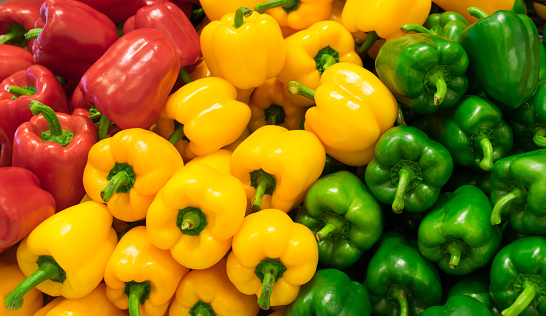
You already know that bell peppers add an excellent flavor to your dishes. You might not be aware of the remarkable benefits they bring and how much they can promote your health. All varieties of bell peppers are excellent sources of vitamins A, C, E, K, potassium, folic acid, fiber, flavonoids, lutein, and capsaicin. Bell peppers contain more phytochemicals and carotenoids, especially beta-carotene, which offer anti-inflammatory and antioxidant benefits that counteract damage caused by free radicals.
Capsaicin in bell peppers has multiple health benefits. Studies show that it lowers blood cholesterol, keeps diabetes under control, and reduces pain and alleviates inflammation. The sulfur content in bell peppers helps play a protective role against certain types of cancer. Additionally, they have a very low calorie content.
Bell peppers are a good source of vitamin E, which is known to play a key role in maintaining healthy and radiant skin and hair. They also contain vitamin B6, which is essential for the health of the nervous system and helps in cell renewal.
Certain enzymes in bell peppers, such as lutein, protect the eyes from cataracts and macular degeneration that occur in many people as they age. Lutein, zeaxanthin, and carotenoids found in relatively high amounts in bell peppers can significantly improve eye health when consumed in adequate quantities. They protect the retina and the light-sensitive inner wall from oxidative damage. By simply adding this vegetable to your diet, you can reduce the risk of vision deficiencies.
Bell peppers help clear congested mucous membranes in the nose and lungs and induce sweating, which is a way for the body to eliminate toxins. Adding them to your diet helps improve digestion and relieve discomfort caused by excess gas.
Spicy peppers stimulate blood flow naturally. Acting as a decongestant, they help dissolve fibrin, an insoluble protein that accumulates in blood vessels and could cause clots. Pyridoxine is the most common type of vitamin B6, a family of nutrients that are important for the formation of red blood cells.
Vitamin E is a powerful antioxidant, essential for healthy nerves and muscles. The best sources of vitamin E are found in the fats of oils from nuts, seeds, and vegetables.
Bell peppers prevent anemia, a common condition characterized by the reduced ability of the blood to transport oxygen. One of the most common causes of anemia is iron deficiency, with the main symptoms being weakness and fatigue. Not only are bell peppers a decent source of iron, but they are also extremely rich in vitamin C, which enhances iron absorption in the intestines.
So, enjoy bell peppers and reap the benefits of nature!




