There is a disease that is often confused with another condition at first, as it can cause symptoms similar to the flu, fatigue, loss of appetite, and other issues associated with various health problems. But it is much more serious than the flu. In fact, it is a progressive, debilitating disease that affects approximately one in 4,000 people. I am talking about mitochondrial disease.
Mitochondrial disease is a disorder caused by the dysfunction of mitochondria, which results from DNA mutations that affect how a person’s genes are expressed.
What do mitochondria do and how does their dysfunction affect health?
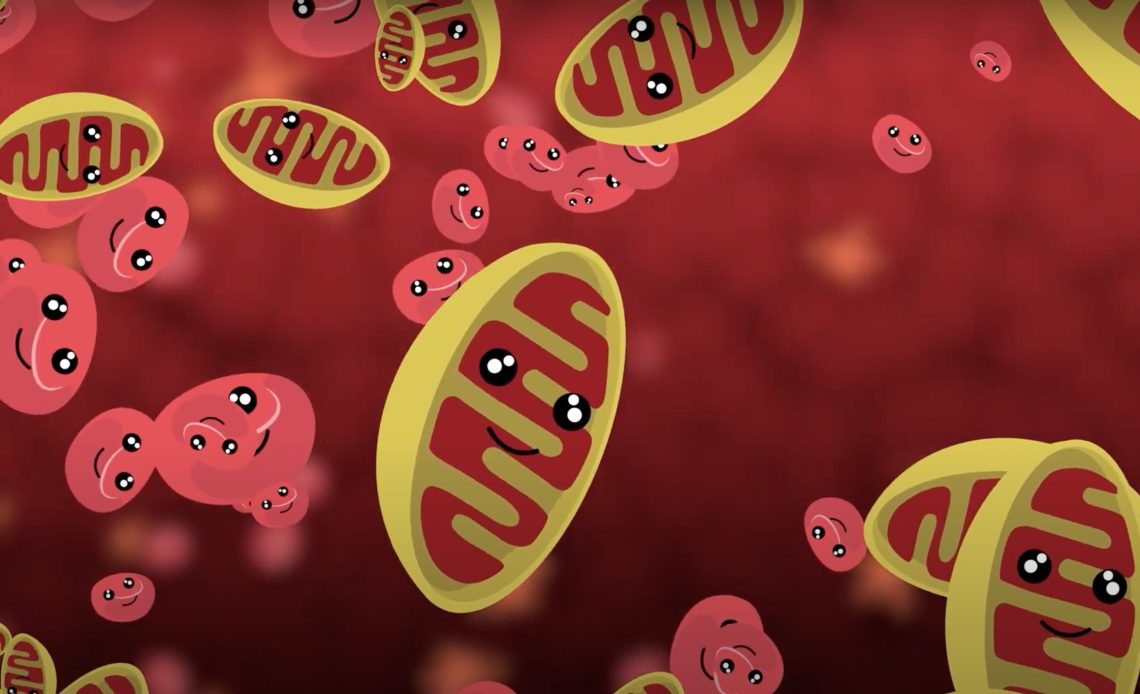
Mitochondria are specialized compartments found in almost every cell of the human body (all except red blood cells). They are often referred to as the powerhouses of the cells because they help in the process of creating usable energy within the cells, but mitochondria also have numerous other roles.
According to the United Mitochondrial Disease Foundation, mitochondria are responsible for creating over 90% of the energy needed to sustain the human body (as well as the bodies of most other animals), but what may surprise you is that approximately 75% of their work is dedicated to other important cellular processes alongside energy production. Without proper mitochondrial function, we would not be able to grow and develop from childhood or have enough energy to perform various adult functions such as digestion, cognitive processes, and maintaining cardiovascular rhythms/heartbeats.
There is still much to learn about how mitochondrial disease develops, what risk factors may make people susceptible, how it should be accurately diagnosed, and what the best treatment options are. Researchers believe that the aging process itself is at least partially caused by the deterioration of mitochondrial functions, and today we know about many different disorders that are linked to abnormal mitochondrial processes (cancer, some forms of heart disease, and Alzheimer’s, for example).
That said, since there is currently no cure for mitochondrial disease, the goal is to help manage symptoms and halt progression as much as possible through a healthy lifestyle and, in some cases, through medication.
Natural Treatment for Mitochondrial Diseases
1. Consult a doctor for early treatment and management
Early diagnosis and treatment of mitochondrial diseases could help stop the worsening of cellular damage and the cause of permanent disabilities. Early interventions for young children can also help improve functions such as speaking, walking, eating, and socializing.
Helping many patients manage their symptoms when they become aware of mitochondrial diseases and know what to expect is crucial. Mitochondrial disease is unpredictable and can change from day to day, so the more the patient understands their own condition, the better they can prepare for symptoms. Symptoms can worsen and progress if ignored, so ongoing support and early recognition are essential.
2. Get plenty of rest
People with mitochondrial diseases often face chronic fatigue. Tasks such as digestion, walking, and working can be heavy burdens, so it is important to sleep well and not overexert yourself.
Many people are unable to move, at least not energetically, due to breathing issues and low energy and need more sleep than a healthy person would to manage symptoms and remain healthy. It is also helpful to prevent fatigue by eating regularly and avoiding fasting, as well as trying to maintain a normal sleep/wake cycle as much as possible.
3. Eat an anti-inflammatory diet
Digesting the foods we eat is one of the most challenging processes the body goes through, using a high percentage of our daily energy to metabolize nutrients, send them to our cells, and then dispose of waste. Many people with mitochondrial diseases face intestinal issues, problems with appetite, and uncomfortable symptoms during food digestion, which is why a nutrient-rich and minimally processed diet is the most beneficial.
The more processed a person’s diet is (rich in sugar, artificial ingredients, refined carbohydrates, and hydrogenated fats), the harder the organs have to work to extract nutrients and eliminate the toxic waste that remains. It is also important to consume plenty of nutrients to prevent fatigue, such as B vitamins, iron, electrolytes, and trace minerals.
For some individuals with mild forms of mitochondrial disease, getting enough rest and eating a healing diet filled with anti-inflammatory foods is sufficient to help manage symptoms and improve quality of life.
4. Avoid stress as much as possible
Stress exacerbates inflammation and fatigue, hindering immune function. Stressful situations should be avoided, and many patients find that they feel better when they intentionally reduce stress by incorporating stress-relief remedies such as meditation, journaling, and relaxing outdoors. Temperature regulation is essential for people with mitochondrial diseases, which means avoiding cold or very high temperatures.
5. Build immunity to prevent infections
People with mitochondrial diseases are more susceptible to infections and other illnesses, so it is essential to maintain immunity with a healthy lifestyle. Many natural antiviral plants may help prevent frequent infections. Tips to help improve immunity include:
– conserving energy and pacing activities to avoid fatigue
– getting outdoors and maintaining a comfortable environment/temperature as much as possible
– avoiding exposure to germs, bacteria, and viruses that trigger illness (such as in childcare facilities, schools, or certain work environments)
– staying hydrated and consuming a nutrient-rich diet
Symptoms of Mitochondrial Disease
Symptoms of mitochondrial disease can manifest in many different ways and vary in intensity, depending on the person and the affected organs. When a sufficient number of cells in an organ are damaged, symptoms become visible. Some common symptoms and signs of mitochondrial disease include:
– fatigue
– loss of motor control, balance, and coordination
– problems with walking or speaking
– muscle pain, weakness, and discomfort
– digestive issues and gastrointestinal disorders
– problems with eating and swallowing
– stunted growth and development
– cardiovascular issues and heart disease
– liver disease or dysfunction
– diabetes and other hormonal disorders
– respiratory problems
– increased risk of stroke and seizures
– vision loss and other eye problems
– hearing issues
– hormonal disorders, including low testosterone or estrogen
– increased susceptibility to infections




