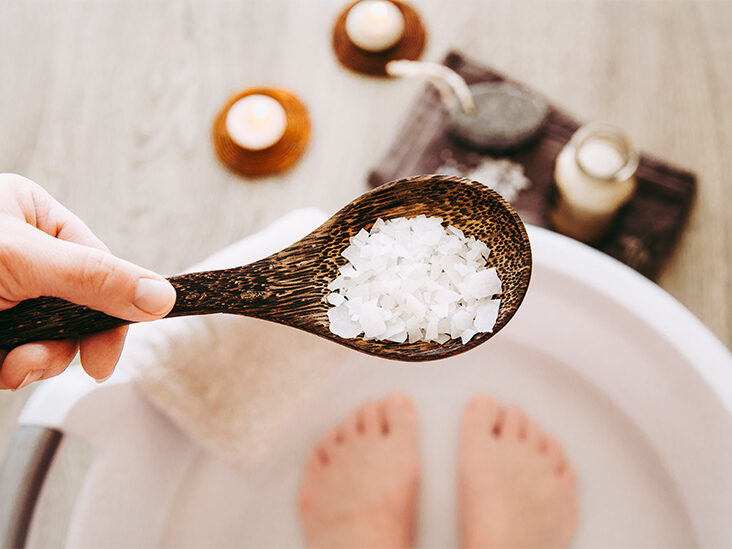
Athletes commonly use it for muscle pain, while gardeners sprinkle it on plants to enhance growth. We are, of course, talking about Epsom salt. Epsom salt has a long history of diverse uses and health benefits, including beauty, household cleaning, and gardening.
So, if you’re wondering: Does Epsom salt really do anything? Yes, it does. Epsom salt is a natural exfoliant and an anti-inflammatory remedy that can be used to treat muscle pain, dry skin, and even various internal health issues. Simply add Epsom salt to your next bath or foot soak to create a pleasant and therapeutic spa experience at home. Unlike other salts, external contact with Epsom salt does not leave the skin dry. In fact, it leaves it soft and supple.
Another huge benefit of this salt is its magnesium content. According to a scientific review, you can have a magnesium deficiency even when serum magnesium levels are normal. Additionally, it has been found that most people need an extra 300 milligrams of magnesium per day to reduce the risk of developing numerous chronic diseases.
This is just one of the many reasons to add this salt to your routine.
What is Epsom salt?
Epsom salt gets its name from a bitter saline spring located in Epsom, Surrey, England, where the compound was first distilled from water. It is different from traditional salts because it is actually a mineral compound of magnesium and sulfate. Initially, it was prepared from mineral water, but today it is primarily obtained from mining operations.
The chemical formula of magnesium sulfate is MgSO4. This means it can actually be broken down into magnesium and sulfate, which is a combination of sulfur and oxygen. The salt is made up of small, colorless crystals that resemble table salt. However, table salt is completely different from Epsom salt, as it consists of sodium chloride.
How does Epsom salt work?
It contains magnesium, an essential mineral for the functioning of the human body. Some of the key roles of magnesium include maintaining normal blood pressure, a steady heart rate, and strong bones. The other main ingredient, sulfate, is an essential mineral key to many biological processes. It helps eliminate toxins, supports liver function, and aids in protein formation in joints and brain tissues.
Health Benefits
1. Increases magnesium levels
Adequate magnesium levels are absolutely essential for good health, but many people have insufficient amounts of magnesium. Alcohol, severe diarrhea, malnutrition, or high calcium levels (hypercalcemia) can cause low magnesium levels. By simply soaking your feet or your entire body in a bath containing Epsom salt, you can naturally increase your internal magnesium levels without taking magnesium supplements.
Magnesium regulates over 300 enzymes in the body and plays an important role in organizing many bodily functions. These vital functions include muscle control, energy production, electrical impulses, and the elimination of harmful toxins.
Magnesium deficiencies are associated with a range of chronic diseases, including type 2 diabetes, Alzheimer’s disease, high blood pressure, heart disease, stroke, and attention deficit hyperactivity disorder (ADHD). By increasing your internal magnesium levels through the external use of Epsom salt, you can help improve or alleviate many preventable health conditions.
2. Reduces stress
Everyone has heard the recommendation to take a warm bath after a tough day. Not only does magnesium help relax your muscles, but it can also help calm your mind.
According to research from the University of North Carolina, a lack of magnesium in the body intensifies stress reactions. Other studies show that magnesium has a profound effect on stress and neuronal excitability.
3. Eliminates toxins
The sulfates in Epsom salt help the body eliminate toxins. It provides detoxification of heavy metals from the body’s cells. This can help reduce the internal accumulation of harmful substances. Human skin is a very porous membrane. By adding minerals like magnesium and sulfate to bathwater, a process called reverse osmosis is triggered, which literally pulls salt and dangerous toxins out of the body along with it.
4. Relieves constipation
Can you drink Epsom salt? Epsom salt is an FDA-approved laxative commonly used to naturally relieve constipation. When taken internally, it acts as a laxative by increasing water in the intestines and cleansing the colon of waste. A number of studies published in Therapeutic Advances in Gastroenterology note that there is strong evidence that Epsom salt has a powerful laxative effect in vitro by releasing digestive hormones and neurotransmitters.
The internal use of magnesium sulfate can provide temporary relief from constipation, but like any laxative, Epsom salt for constipation is not meant to be a long-term solution or a substitute for a healthy diet rich in fiber.
5. Reduces pain and inflammation
It is known that a warm bath containing Epsom salt alleviates pain and reduces inflammation at the root of most ailments. This makes it a beneficial natural treatment for muscle pain, headaches (including migraines), and arthritis pain.
Soaking in warm water is one of the oldest forms of alternative therapy for arthritis. If you include Epsom salt, the bath becomes much more therapeutic.
Do you have an annoying and painful ache stuck in your skin? Soak the area in warm water and Epsom salt, and the ache should be easily relieved in no time.
6. Improves blood sugar levels
Type 2 diabetes is often associated with magnesium deficiencies both extracellularly and intracellularly. Meanwhile, healthy magnesium levels are linked to a reduced risk of developing diabetes. As you now know, Epsom salt is an excellent source of magnesium.
Regular consumption of Epsom salt, whether orally or transdermally, can help regulate blood sugar levels, reducing the risk of diabetes and improving daily energy levels. Of course, consult your doctor before using any natural remedy for diabetes.
7. Adds volume to hair
Adding Epsom salt to hair products can help reduce excess oil. An easy way to create your own volumizing conditioner at home is to mix equal parts salt and conditioner (for example: two tablespoons of conditioner + two tablespoons of Epsom salt). After shampooing your hair as usual, apply the conditioner mixture to your hair, covering it from scalp to tips. Leave the mixture on for 10 to 20 minutes before rinsing. This is an excellent weekly treatment for hair.
8. May boost plant health
Using Epsom salt in the garden is common and for good reason—it acts as a natural fertilizer. It is known that Epsom salt enhances plant vitality. It can also help them grow better and even larger, although some experts remain skeptical. However, many gardeners love to use Epsom salt.
Some suggested ways to use Epsom salt for plants include:
When planting vegetables or roses, sprinkle a tablespoon of Epsom salt in the planting hole.
Mix a tablespoon of salt per gallon of water to use as a spray and apply when plants start to bloom and again when young fruits appear.
9. Helps heal respiratory issues
Magnesium sulfate has been successful as a natural treatment for bronchial asthma. A scientific review highlights that magnesium sulfate has been effective as an adjunct treatment for severe and life-threatening asthma exacerbations.
The first clinical use of magnesium for asthma was actually reported in 1936. Studies show that magnesium relaxes bronchial smooth muscles. Today, the use of intravenous magnesium sulfate is an adjunct therapy along with standard treatment in acute and severe asthma exacerbations.
10. Helps prevent preeclampsia
Preeclampsia is a potentially dangerous complication of pregnancy characterized by high blood pressure. Magnesium sulfate is one of the ways some doctors and pregnant women use to improve or help prevent preeclampsia. Research shows that it has vasodilatory properties in vivo and in vitro.
Uses
1. Relief for bone and joint pain
When used in a bath or compress, Epsom salt can provide some relief. Try taking a relaxing bath that contains Epsom salt, a common natural remedy for joint and bone pain.
2. Detoxification and Healing
Epsom salt is a key ingredient in many detoxifying bath recipes. Use it as a standalone salt for soaking or mix it with dried botanicals and essential oils.
3. Epsom salt bath recipe
Without a doubt, one of the most common uses of Epsom salt is including it in a bath. Combining Epsom salt with baking soda and lavender oil makes a simple and easy bath recipe that helps you relax, release muscle tension, and recover both mentally and physically.
4. Epsom salt for feet
If you haven’t tried a foot soak, I highly recommend it. What does Epsom salt do for your feet? It helps increase magnesium levels and relieve tired and painful feet. Does Epsom salt help with infections? Soaking an infected foot or another area of the body in water with magnesium sulfate can help eliminate toxins and promote the healing of infected tissue.
Risks and Side Effects
Do not use more Epsom salt than the amount recommended on the packaging or as advised by your doctor. Oral magnesium sulfate can hinder your body’s ability to absorb other medications you are taking orally, especially antibiotics. Avoid taking other medications for two hours before or after taking magnesium sulfate as a laxative.
If you experience rectal bleeding or if you do not have a bowel movement after using magnesium sulfate as a laxative, stop using it and contact your doctor immediately. These may be signs of a more serious condition.
Magnesium in any form, including Epsom salt, should be used with caution in patients with kidney insufficiency, as it is processed by the kidneys and can reach toxic levels in these patients. Magnesium sulfate is often successfully used to treat preeclampsia and eclampsia in pregnant women, but pregnant or breastfeeding women should generally be cautious and consult their doctor before use.
Common side effects of excessive consumption include mild gastrointestinal disturbances, including nausea, abdominal cramps, and/or diarrhea. Serious side effects of magnesium sulfate overdose include allergic reactions (skin rashes, hives, itching, difficulty breathing, chest tightness, or swelling of the mouth, face, lips, or tongue), dizziness, nausea, lethargy, irregular heartbeats, muscle paralysis or weakness, severe drowsiness, and sweating. You should inform your doctor immediately if you experience any of these symptoms after using Epsom salt. Serious side effects of Epsom salt are rare when used at recommended doses.
As always, if you have questions, are pregnant, breastfeeding, are being treated for a condition, or are currently taking medications, consult your doctor before using it internally or externally.




