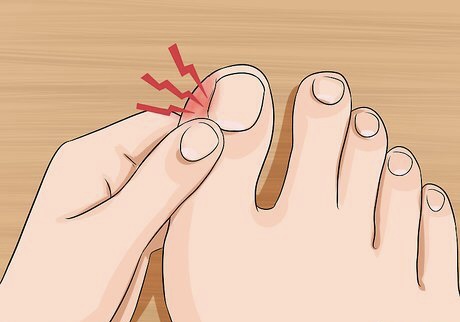
If you’ve ever had an ingrown toenail, you know the pain it can cause. An ingrown toenail, or onychocryptosis, can occur at any age and is one of the most common toenail problems. It can be a painful condition that can become infected without proper care.
There are several reasons why an ingrown toenail may develop, including:
improper nail trimming techniques
tight footwear
anatomical factors such as the curvature of the nail plate
a nail shaped like a claw
pressure from overlapping toes caused by hallux valgus or other toe deformities
the presence of a subungual exostosis
Fungal infections of the toenails can also become part of the problem. Typically, toenail fungus occurs when a fungus enters the nail through a small opening, such as a cut or tear in the nail. Although often misunderstood, toenail fungus is not caused by poor hygiene. However, if you have an ingrown toenail, you need to keep the area clean.
Fortunately, there are many natural ways to get rid of an ingrown toenail on your own without needing a trip to the doctor. Let’s take a look at some additional details about ingrown toenails and how to get rid of them.
How to Get Rid of an Ingrown Toenail
1. Soak and Wash Your Foot
Soaking your foot in warm water can be very beneficial for keeping the area clean and free of bacteria. Soak your foot in warm water three to four times a day. You can add Epsom salt to the water to soften the skin in the affected area.
2. Rinse with Apple Cider Vinegar
Apple cider vinegar can help as a natural treatment for ingrown toenails. You can try adding a quarter cup of vinegar to warm water for a foot soak or applying diluted apple cider vinegar directly, which conditions the ingrown toenail to fight against bacteria that could contaminate the area.
While applying diluted apple cider vinegar to a wound can prevent infection, it may not heal an existing bacterial infection. However, it has antibacterial properties that can help keep the area clean as it heals.
3. Dental Floss Under the Nail
Placing dental floss under the edge of the ingrown toenail can help by lifting the nail to grow in the correct direction. Try to lift the corner of the nail that is digging into the skin. Take a very small piece of cotton or gauze and roll it between your fingers to form a small roll.
For a gentler method, use dental floss, but make sure it is not flavored, as it may cause a burning sensation. The idea is to keep the nail elevated enough to allow it to grow and move away from the skin. This can be uncomfortable but effective.
4. Avoid High Heels and Tight Shoes
I know many women enjoy the look of high heels, but if you want your ingrown toenail to heal quickly, you should avoid these shoes. They can put more pressure on the affected area and are likely to cause a significant delay in healing, as well as pain. Any type of tight shoes can cause this problem. Sandals can be helpful, allowing the toenail the freedom to heal properly.
5. Use Essential Oils to Help Reduce Inflammation and Pain
You can create your own blend of essential oils by combining tea tree oil, clove, lavender, and rosemary with a carrier oil, such as coconut oil. Mix well, then gently massage the affected area. This will help you avoid synthetic medications, providing natural relief for the pain of the ingrown toenail and ultimately giving the area a healthier environment.
How to Trim an Ingrown Toenail
Trimming an ingrown toenail can be difficult, which is why I recommend being very careful and having some help if you choose to do it at home. Here is a step-by-step guide:
1. First, soak your feet in warm water mixed with either Epsom salt or Castile soap for about 20 minutes to help soften the nail and skin and reduce any swelling.
2. Then gently push back the swollen skin from the edge of the nail. This will likely be uncomfortable. Do not force it back more than the swollen skin allows, and make sure to keep your hands clean.
3. Now, you need to trim the nail straight across. Start with the edges of the toenail, pulling the nail from the side, not from the middle.
4. Place a small piece of cotton between the ingrown nail and the skin. This helps prevent the ingrown toenail from returning, allowing it to grow correctly.
5. Apply the ointment from the recipe below to the affected area and bandage it carefully.
6. To help with healing and to prevent the nail from growing in the wrong direction, avoid wearing socks and shoes while you are at home. Wear slippers or sandals that allow air to circulate.
7. It is important to prevent infection by changing the cotton daily, possibly even twice a day.
Homemade Ointment Recipe for Ingrown Toenails
You can make your own ointment to help heal an ingrown toenail. Essential oils can help relieve pain and prevent infections. By applying this ointment directly to the affected toe, you may find relief as well as faster healing.
INGREDIENTS:
5 drops of eucalyptus oil
5 drops of tea tree oil
1 drop of oregano oil
5 drops of lavender oil
2 drops of peppermint oil
55 grams of aloe vera gel
55 grams of coconut oil
DIRECTIONS:
Place all the ingredients in a small glass jar with a tight lid.
Using a small spoon, mix until well combined.
After thoroughly cleaning and rinsing the affected toe, apply the ointment to the area.
Let it air dry if possible, wearing slippers. If not, bandage the toe carefully but ensure you wear loose-fitting shoes.
Repeat the application two to three times a day. Make sure to wash your hands afterward and avoid touching your eyes, especially when using oregano oil. Oregano is a natural antibiotic but can be very potent, causing a burning sensation. It is important to use these oils as directed, with a carrier oil like coconut oil.




