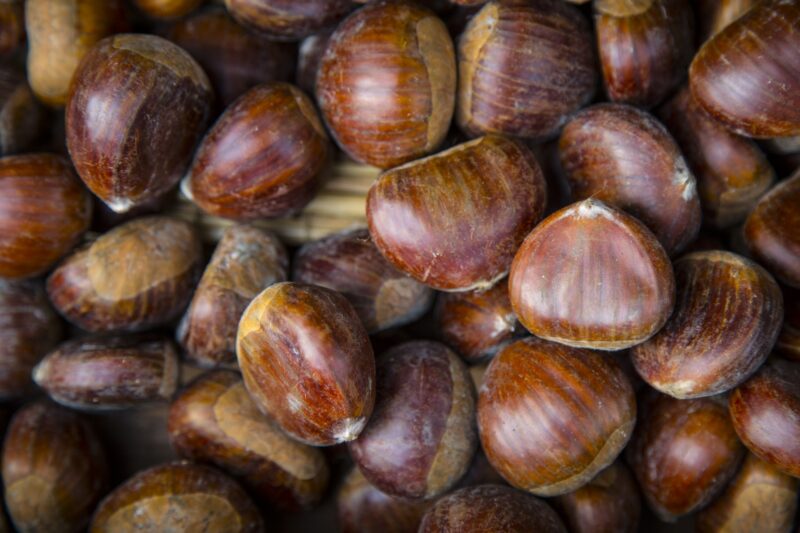
Edible chestnuts (Castanea sativa) are often overlooked, being confused with wild chestnuts, which are not suitable for consumption. However, edible chestnuts are a valuable food and a true ally for health, rich in nutrients, with multiple uses in cooking and herbal medicine. Unlike other oily fruits, they have a low fat content and are more similar to cereals than to nuts from a nutritional standpoint. This article will show you how to include edible chestnuts in your daily diet and natural treatments, along with scientific explanations, useful recipes, and important precautions.
Benefits of Edible Chestnuts for Health
1. Supports Nervous System Health
Chestnuts are an important source of B vitamins, especially B6, thiamine, and folate, which support the proper functioning of the nervous system. These vitamins are essential for the synthesis of neurotransmitters, such as serotonin and dopamine. Regular consumption of chestnuts can help reduce symptoms of fatigue, irritability, or anxiety. Additionally, the magnesium and potassium in chestnuts help relax muscles and prevent muscle cramps caused by stress. Thus, chestnuts are useful in states of mental exhaustion, sleep disturbances, and nervousness.
2. Improve Digestion and Protect Intestinal Flora
The fiber in edible chestnuts supports digestion and regulates intestinal transit, preventing constipation. Unlike other sources of starch, chestnuts contain resistant starch, which reaches the colon undigested and feeds beneficial bacteria. This prebiotic effect contributes to maintaining a healthy microbiome, positively influencing immunity and overall well-being. Additionally, consuming chestnuts reduces inflammation in the gastrointestinal tract. People with irritable bowel syndrome may benefit from easier digestion by replacing bread or cereals with boiled or roasted chestnuts.
3. Excellent Source of Slowly Released Energy
Chestnuts are rich in complex carbohydrates that release energy gradually, without causing sharp fluctuations in blood sugar levels. This makes them suitable for people with type 2 diabetes or for those who want to maintain a constant energy level throughout the day. They are also recommended for athletes or physically active individuals, providing lasting energy. Unlike other snacks high in quick sugars, chestnuts offer a longer-lasting feeling of fullness. They can be an ideal alternative to sweets and industrial cookies.
4. Contribute to Bone Health
Chestnuts contain valuable amounts of manganese, copper, magnesium, and phosphorus—essential minerals for the formation and maintenance of bone mass. Copper helps in the formation of collagen and elastin, important components of bone tissue. Magnesium supports calcium absorption in bones and prevents osteoporosis. This benefit is particularly important for women in menopause or older individuals. Regular consumption of chestnuts can complement a diet aimed at bone health, especially when dairy is avoided. Additionally, manganese contributes to cartilage regeneration.
5. Supports the Immune System
Chestnuts are rich in vitamin C, a powerful antioxidant that helps strengthen the immune system. A serving of 100 g of roasted chestnuts provides about 40% of the daily recommended dose of vitamin C. This stimulates the production of white blood cells, necessary for fighting infections. Additionally, the flavonoids in chestnuts (such as quercetin) have anti-inflammatory and immunostimulatory effects. In the cold season, chestnuts can become a natural ally for preventing colds and flu. They can be included in the diet in the form of warm puree, soups, or snacks.
6. Regulates Blood Pressure
The potassium in chestnuts plays an important role in maintaining blood pressure within normal limits. This mineral promotes the elimination of excess sodium and reduces the pressure exerted on the walls of blood vessels. People suffering from hypertension can benefit from regular consumption of chestnuts, especially if they avoid processed foods high in salt. Additionally, the antioxidants in chestnuts contribute to reducing vascular inflammation. These combined effects protect cardiovascular health in the long term.
7. Indicated in the Diet of Those with Gluten Intolerance
Chestnuts do not contain gluten, making them ideal for people with celiac disease or gluten intolerance. Chestnut flour can be used in various preparations: pancakes, bread, cookies, or desserts. It has a slightly sweet flavor and offers a pleasant texture. Replacing wheat flour with chestnut flour is a healthy and nutritious solution. Additionally, chestnut-based preparations are easier to digest and more satisfying.
8. Help Maintain a Healthy Weight
Due to their high fiber and complex carbohydrate content, chestnuts induce a long-lasting feeling of fullness. They can reduce cravings for unhealthy snacks between meals and contribute to a balanced diet. Although they have a moderate caloric content, they provide many essential nutrients, making them an excellent choice in weight loss diets. Replacing processed snacks with roasted chestnuts can reduce the intake of unhealthy fats. Chestnut flour can also be used in desserts without sugar, with a low glycemic index.
Relevant Studies and Research
A study published in Food Chemistry (2017) analyzed the nutritional composition and antioxidant capacity of edible chestnuts from Southern Europe. Researchers found that they have a high content of polyphenols, especially gallic acid and quercetin, with significant antioxidant effects. The study showed that these compounds have the ability to neutralize free radicals and protect cells against oxidative stress. The analysis was conducted on raw, roasted, and boiled samples, concluding that the preparation method influences antioxidant activity. Roasting preserves the active compounds best. The authors recommended including chestnuts in the diet for cardiovascular and neurological benefits. Additionally, chestnuts have been shown to be useful in preventing chronic inflammation.
Another study in Journal of Agricultural and Food Chemistry (2020) highlighted that chestnut flour has prebiotic properties by stimulating the growth of beneficial intestinal bacteria species, such as Bifidobacterium and Lactobacillus. This effect contributes to maintaining a healthy microbiome, with positive effects on immunity, digestion, and mental states. The study included in vitro and animal tests, demonstrating a reduction in intestinal inflammatory markers after consuming chestnut flour. Researchers suggested developing functional food products based on chestnuts. Additionally, an improvement in mineral absorption at the intestinal level was observed.
Ways to Use and Recipes
1. Oven-Roasted Chestnuts
Score the chestnuts in an X shape and place them on a tray. Roast for 25-30 minutes at 200°C.
Serve warm, plain or with a little salt.
2. Chestnut Puree with Plant Milk
Boil the chestnuts for 20-30 minutes, peel them, and mash them.
Add a little plant milk, salt, and a natural sweetener (stevia, honey).
3. Chestnut Flour in Desserts
It can be used in recipes for pancakes, cookies, or bread, mixed with other types of gluten-free flour.
Contraindications
-
People with nut allergies should be cautious when introducing chestnuts, although they are less allergenic than nuts or peanuts.
-
Diabetics should consume chestnuts in moderation, in controlled quantities, due to their carbohydrate content.
-
Not recommended raw, as they can cause abdominal discomfort or nausea.
-
People with slow digestion may experience bloating or flatulence after consuming a large quantity.
-
Avoid damaged chestnuts or those stored in improper conditions as they can develop toxic molds.
Nutritional Table (100g Roasted Chestnuts)
| Nutrient | Quantity |
|---|---|
| Calories | 170 kcal |
| Carbohydrates | 37 g |
| Fiber | 8 g |
| Protein | 2.5 g |
| Fats | 1.5 g |
| Vitamin C | 25 mg |
| Potassium | 500 mg |
| Magnesium | 33 mg |
| Manganese | 1.2 mg |
Sources
-
Food Chemistry Nutritional and antioxidant properties of chestnuts from southern Europe
-
Journal of Agricultural and Food Chemistry Chestnut flour as a prebiotic food: modulation of intestinal microbiota




