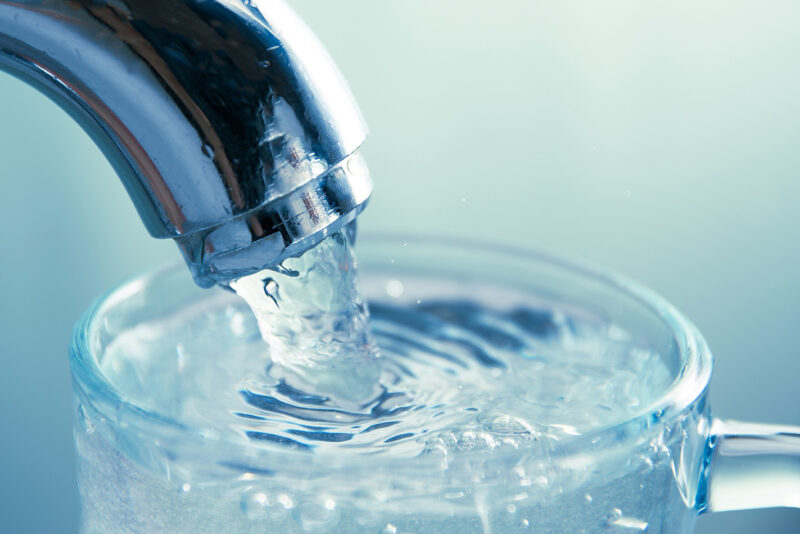
Water is essential for life, and its quality directly affects the health of the body. Even if tap water or well water appears clear, it may contain bacteria, heavy metals, pesticides, or microplastics. Therefore, purifying water at home is an accessible and effective solution to reduce risks and consume safer water. In this article, we present the most important methods through which you can purify water right at home, along with studies and recommendations from specialists.
Methods for Purifying Water at Home
1. Boiling Water
Boiling is one of the oldest and most effective methods of disinfecting water.
-
The process destroys bacteria, viruses, and parasites.
-
It is recommended to boil for at least 5-10 minutes.
-
After cooling, the water should be stored in a clean, covered container.
-
Disadvantage: it does not remove heavy metals or chemical substances, only biological pathogens.
2. Filtration with Activated Carbon Filters
-
Activated carbon filters reduce chlorine, pesticides, and some heavy metals.
-
They are also effective for improving the taste and smell of water.
-
There are options in the form of filter jugs, faucet-mounted filters, or complex filtration systems.
-
They need to be changed regularly to remain effective.
3. Water Distillation
-
Distillers boil water and then condense the vapor, leaving impurities behind.
-
You obtain very pure water, free of bacteria and most minerals.
-
Disadvantage: the process is slow and energy-consuming. Additionally, distilled water has a very low content of essential minerals.
4. UV Purification
-
Ultraviolet devices destroy the DNA of bacteria and viruses, making them harmless.
-
It is a fast and effective method for biological disinfection.
-
Disadvantage: it does not remove chemical substances or heavy metals.
5. Reverse Osmosis Filtration
-
It is one of the most advanced filtration methods.
-
Special membranes remove bacteria, viruses, pesticides, nitrates, and heavy metals.
-
It produces very clean water but can also remove beneficial minerals, which is why some systems include remineralization.
6. Simple Emergency Methods
-
Chlorine or iodine tablets are useful in emergencies or travel situations.
-
Portable ceramic or carbon filters are effective for hikers.
-
SODIS method (Solar Water Disinfection) involves leaving water in clear bottles in the sun for 6-8 hours; UV rays destroy a large part of the bacteria.
Studies and Recommendations
-
A study published in Journal of Water and Health (2019) demonstrated that boiling water for 10 minutes reduces bacterial and viral contamination by over 99%.
-
According to the World Health Organization (WHO), reverse osmosis filters are among the most effective for reducing chemical contaminants, including arsenic and fluoride.
-
The Environmental Protection Agency (EPA) recommends combining filtration with disinfection (e.g., filter + UV) for optimal results.
-
A report from the European Food Safety Authority (2021) highlights microplastics, which can be significantly reduced through reverse osmosis and distillation.
Contraindications and Warnings
-
Distilled water or water obtained through reverse osmosis without remineralization should not be consumed exclusively for long periods, as it can lead to mineral deficiencies (calcium, magnesium).
-
Unmaintained filters can become sources of contamination.
-
Chlorine or iodine tablets are not recommended for daily consumption, only in emergency situations.
-
People with kidney or heart diseases should consult a doctor before consuming water low in minerals.
Purifying water at home is accessible and necessary, especially in areas where water quality is uncertain. The simplest methods are boiling and filtration, but for complete protection, it is recommended to combine modern technologies (reverse osmosis filter + UV). The choice of the right method depends on the water source, budget, and the needs of each family.




