1. Chia seeds
Just 2 tablespoons of chia contain nearly 10 grams of fiber. Ground in a blender, chia seeds make the perfect crunchy topping for yogurt or vegetables. When soaked in a liquid, such as juice or almond milk, they become soft and can be spread with a spoon: a healthy pudding alternative.
2. Wild rice
Wild rice is richer in protein than other whole grains and has many more antioxidants than white rice. It provides folate, magnesium, phosphorus, zinc, vitamin B6, and niacin.
3. Pumpkin seeds
Pumpkin seeds are rich in magnesium, an important mineral that improves heart health, helps your body produce energy, and fuels your muscles. Enjoy them year-round as a soup topping or salad garnish, with grains, or on their own.
4. Pomegranate seeds
Pomegranate seeds are rich in vitamin C and antioxidants. A cup full of pomegranate seeds has only 130 calories, making it a light snack. Toss them into a salad or a bowl of whole grains to add a juicy burst of flavor and color to your dish.
5. Quinoa
If you are looking for healthy sources of protein, quinoa is the answer. These grain-like seeds contain 8 grams per cup. It cooks like rice and can replace pasta and other grains in many of your favorite dishes. You can also use it as gluten-free bread.
6. Flaxseeds
People have consumed them for health since 9,000 B.C. If you don’t eat enough omega-3 fatty acids, adding flaxseeds to your diet can help you obtain these healthy fats that are good for your heart. It is the best plant source of this important nutrient and also provides a good dose of fiber. When ground into a fine meal, flaxseeds can help lower blood pressure. Flax has a pleasant, nutty flavor. Add a tablespoon to oatmeal, pancake batter, or salads.
7. Hemp seeds
Their mild, nutty flavor pairs well with savory dishes. They are also packed with protein: 2 tablespoons contain nearly 7 grams, even more than flax or chia seeds. Hemp is a good source of omega-3 fatty acids. You can use whole seeds sprinkled on salads or whole grain dishes, or try hemp milk as a dairy substitute.
8. Sunflower seeds
30 grams of sunflower seeds cover half of the daily recommended dose of vitamin E. They are also rich in healthy fats. Sunflower seeds are a great addition to your morning smoothie. And, of course, you can continue to enjoy them plain.
9. Sesame seeds
Sesame seeds are among the most versatile ingredients. Sesame oil, a smart choice for salad dressings, is rich in a fatty acid that reduces bad cholesterol. Grind them into paste, tahini, or peanut butter. Whole seeds are rich in fiber and protein.
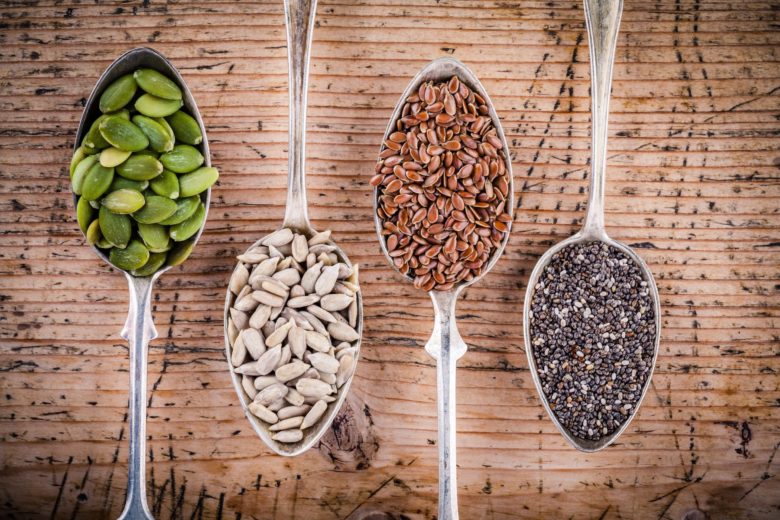
Top 9 healthiest seeds you should consume regularly
24




