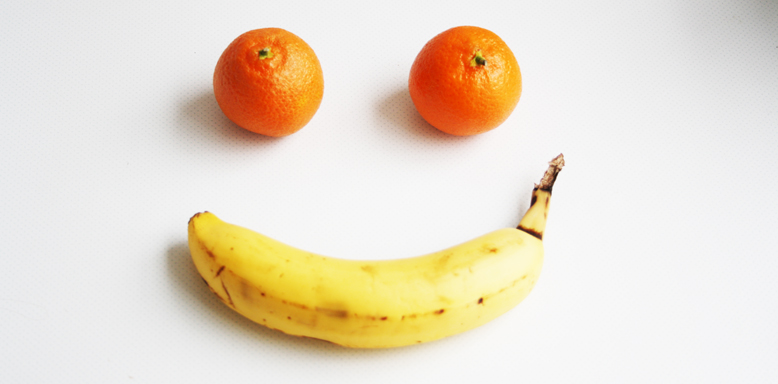
When it comes to your lifestyle and habits, you can do a lot to maintain a positive mindset and perspective, including getting enough sleep, exercising, and also eating happy food.
Happy eating involves consuming a variety of foods that provide nutrients such as proteins, tryptophan, omega-3 fatty acids, and vitamin B12, which are linked to better overall mental health.
Foods rich in antioxidants, as well as complex carbohydrates that provide fiber, are also important for supporting gut health and combating chronic inflammation—two key aspects related to improving mood. That’s why these are some of the best foods that boost mood.
What is happy food?
Happy foods are those that help improve your mood and mental health. They do this by providing certain nutrients that help your body produce more mood-enhancing chemicals, such as the neurotransmitter called serotonin.
Nutrients found in foods that can help you feel better include:
Tryptophan
Omega-3 fatty acids
Complex carbohydrates/fiber
Antioxidants, such as bioflavonoids and polyphenols (including anthocyanins and catechins)
Folate
Magnesium
Vitamin C
Vitamin B12
Copper
Zinc
Top 14 Foods That Boost Happiness Levels:
1. Dark Chocolate
Real dark chocolate is full of antioxidants that fight free radicals, which, when left uncontrolled, can harm the brain.
Chocolate is also capable of lifting your mood almost instantly due to the presence of compounds like theobromine and phenylethylamine, which act as natural antidepressants, and tryptophan, which helps the brain produce serotonin.
2. Salmon and Other Fatty Fish
Fatty fish, such as wild salmon, sardines, and mackerel, are among the best dietary sources of omega-3 fatty acids, which can improve your mood and combat inflammation and depression.
Fish is also very rich in protein, made up of amino acids that your body uses to create neurotransmitters (chemicals that allow brain cells to communicate). It is known that protein-rich foods positively influence mood and energy—not to mention that they are satiating and can prevent hunger, which is associated with mood swings.
3. Yogurt
As a fermented food, yogurt (as well as other fermented dairy products like kefir) provides probiotics that help promote a healthy gut environment. A well-functioning gut equates to a happier mindset, as your body is where most serotonin is produced.
4. Berries
Berries are very rich in vitamin C and other antioxidants that protect the brain from oxidative stress. Additionally, they provide other important nutrients for cognitive processes, including copper and folic acid.
5. Olive Oil
Considered one of the healthiest fats available, olive oil provides monounsaturated fatty acids that are known to have anti-inflammatory and neuroprotective effects.
People who consume a lot of olive oil in their diet, including those following a Mediterranean diet, tend to experience less depression and better cognitive functioning in older age.
6. Nuts
With their plant-based omega-3s, vitamin E, and other antioxidants, plus many minerals, nuts are among the most recommended foods for brain and cognitive health. In fact, a study found that people who regularly consume nuts as part of an anti-inflammatory diet benefited from increased protection against developing depression.
7. Flaxseeds
As mentioned earlier, gut health and a higher intake of healthy fats are both correlated with positive effects on people’s mood. This explains why flaxseeds are considered a happy food, given that they are packed with omega-3s known as alpha-linolenic acid (ALA), plus lignans that have antioxidant effects and both soluble and insoluble fiber types.
8. Bananas
Bananas are a good source of carbohydrates and electrolytes, which help provide energy to the brain and body, as well as tryptophan, an amino acid that has been shown to have calming properties as it stimulates the release of serotonin.
9. Eggs
Eggs, especially the yolk, are one of the best sources of a compound called choline, which helps stimulate brain function, including supporting mood and memory. Eggs also provide you with protein and vitamin B12, which are necessary to maintain your energy.
10. Oats and Other Whole Grains
Whole grains, such as oats, quinoa, buckwheat, etc., are rich in fiber, minerals, and even some plant-based proteins. They support gut health as they nourish healthy probiotic microbes that play a role in regulating inflammation and hormone production.
Additionally, meals containing carbohydrates contribute to serotonin synthesis.
11. Leafy Greens
Leafy greens like kale, spinach, and others contain folate, which has been shown to help protect against depression. Green vegetables are also rich in antioxidants and other nutrients that help calm the mind and body, including magnesium, which can aid in muscle relaxation and digestion.
12. Turmeric
The active ingredient found in turmeric root, called curcumin, has anti-inflammatory properties and has been associated with improved mood and mental health in studies.
Researchers believe that turmeric/curcumin may work by positively affecting serotonin and dopamine levels, protecting the brain and mitochondria from damage and enhancing resilience against the negative effects of stress.
13. Green Tea
In green tea, you will find the neuroprotective compound called epigallocatechin-3-gallate (EGCG), which is linked to benefits including improved concentration and attention, a more positive outlook, calmness, and a better perception of stress. Enjoy two to four cups of green tea a day for the most benefits, which also include combating inflammation.
14. Coffee
Coffee is one of the most popular beverages worldwide, largely due to its caffeine content, which is energizing and known to increase motivation and focus. Coffee is also rich in antioxidants, and its consumption has also been associated with a reduced risk of depression.
How to Add to Your Diet
Since there is such a wide range of happy foods, there are limitless possibilities to include them in your diet.
Simple ways to enjoy more of them: a green smoothie in the morning, followed by a salad later in the day. For dinner, try something like fish with steamed vegetables and olive oil.
You can also enjoy green tea and organic coffee throughout the day (along with plenty of water to keep your body hydrated) to maintain your energy and mood.
Risks and Side Effects
There really are no downsides to consuming a healthier, anti-inflammatory diet that also supports happier moods.
If possible, choose organic ingredients to avoid consuming questionable ingredients and additives. Also, limit or avoid processed foods made with added sugars, trans fats, and artificial additives, even if they contain some happy ingredients.
Try to eat at regular intervals to stabilize your mood and prevent blood sugar drops, which can make you feel hungry. Of course, remember that your diet is an important component of mental health, but not the only one—make sure to prioritize exercise, sleep, and stress management.




