Thick and voluminous hair is a sign of health and beauty, desired by many people. Fortunately, there are numerous traditional natural remedies that can help stimulate hair growth and improve its appearance. These natural remedies for hair thickening use simple, accessible, and safe ingredients that nourish the scalp and hair strands.
Among the most effective are essential oils such as rosemary or lavender, natural oils like castor or coconut oil, as well as plant-based treatments like aloe vera or ginseng. When used consistently, these remedies can contribute to strengthening hair strands, stimulating follicles, and achieving thicker and healthier hair naturally.
Essential Oils for Hair Thickening
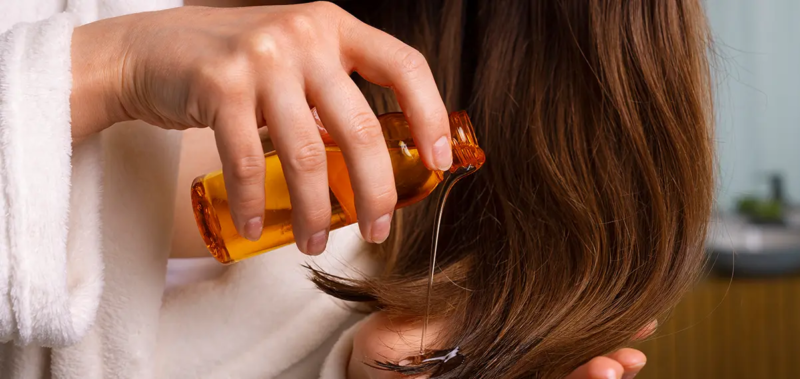
Essential oils are powerful concentrates extracted from plants, which have numerous benefits for hair and scalp health. They stimulate blood circulation in the scalp, nourish hair follicles, and can help increase hair density.
Rosemary Oil:
Rosemary essential oil is one of the most effective natural remedies for stimulating hair growth. It improves blood circulation in the scalp, leading to better oxygenation and nutrition of hair follicles. Studies have shown that rosemary oil can be as effective as minoxidil in treating androgenetic alopecia. For use, dilute a few drops of rosemary essential oil in a carrier oil like coconut oil and gently massage it into the scalp 2-3 times a week.
Peppermint Oil:
Peppermint essential oil has a refreshing effect on the scalp due to its menthol content. It stimulates hair follicles, improves blood circulation, and can help increase hair density. Additionally, it has antimicrobial properties that keep the scalp healthy. It is recommended to dilute 2-3 drops of peppermint oil in a carrier oil and gently massage the scalp twice a week.
Lavender Oil:
Lavender essential oil has calming and regenerative properties for the scalp. It balances sebum production, combats dandruff, and stimulates hair growth. Studies have shown that lavender oil can accelerate hair growth and increase the number of follicles in the active growth phase. It should be applied diluted in coconut or jojoba oil, with a gentle massage on the scalp, 2-3 times a week.
Black Seed Oil:
Black seed oil, also known as black cumin oil, has anti-inflammatory and antioxidant properties beneficial for scalp health. It helps regulate the hair growth cycle, preventing excessive shedding. It also nourishes hair follicles and can contribute to increasing hair density over time. It is recommended to apply diluted black seed oil with a gentle massage on the scalp, 2-3 times a week.
Natural Oils for Thicker Hair
Natural oils are rich in essential fatty acids, vitamins, and minerals that deeply nourish hair and the scalp. They can help strengthen hair strands, stimulate growth, and improve the overall appearance of hair.
Pumpkin Seed Oil:
Pumpkin seed oil is rich in zinc, vitamin E, and omega-3 and omega-6 fatty acids, essential nutrients for hair health. It helps strengthen hair strands, stimulates growth, and can contribute to increasing hair density. Studies have shown that regular consumption of pumpkin seed oil can significantly improve hair density in individuals with androgenetic alopecia. For external use, gently massage it into the scalp and leave it on for 30 minutes before washing.
Castor Oil:
Castor oil is renowned for its hair growth-stimulating properties. Rich in ricinoleic acid, this oil improves blood circulation in the scalp and nourishes hair follicles. It also has antifungal and antibacterial properties that keep the scalp healthy. For optimal results, apply castor oil to the scalp and hair length, gently massage, and leave it on overnight. Repeat the treatment 1-2 times a week.
Coconut Oil:
Coconut oil is an excellent moisturizing agent for hair, penetrating the hair shaft easily. It contains medium-chain fatty acids that nourish the scalp and strengthen hair from the roots. Its antimicrobial properties help combat scalp infections and dandruff. For an intensive treatment, apply coconut oil to damp hair, gently massage the scalp, and leave it on for 1-2 hours or overnight before washing.
Herbal Remedies for Hair Thickening
Medicinal plants offer a wide range of nutrients and active compounds that can stimulate hair growth and improve scalp health. These natural remedies have been used for centuries in traditional medicine to treat various hair problems.
Aloe Vera:
Aloe vera gel is rich in enzymes that stimulate hair growth and repair damaged scalp cells. It contains vitamins A, C, and E that deeply hydrate hair and the scalp, preventing dryness and dandruff. Its anti-inflammatory properties help soothe scalp irritations. For use, apply fresh aloe vera gel directly to the scalp and hair, gently massage, and leave it on for 30 minutes before rinsing. Repeat the treatment 2-3 times a week for optimal results.
Ginseng:
Ginseng is a medicinal plant with multiple benefits for hair health. It contains active compounds called ginsenosides that stimulate hair follicles and prolong the active growth phase of hair strands. It also improves blood circulation in the scalp, ensuring better oxygenation and nutrition of the follicles. For external use, ginseng extract can be added to shampoo or hair masks. Internal consumption of ginseng supplements can also be beneficial, but it is important to consult a doctor before starting any supplementation regimen.
Green Tea:
Green tea is rich in antioxidants, especially catechins, which have beneficial effects on hair health. These compounds help prevent hair loss by inhibiting the action of dihydrotestosterone, a hormone associated with androgenetic alopecia. The polyphenols in green tea stimulate hair growth by improving blood circulation in the scalp and providing essential nutrients to hair follicles. For topical application, cooled green tea infusion can be used as a tonic for the scalp, gently massaged in and left to act before rinsing.
Onion Juice:
Rich in sulfur, onion juice improves collagen production necessary for hair growth. Its high quercetin content, a powerful antioxidant, helps combat free radicals that can damage hair follicles. Onion juice has antibacterial properties that keep the scalp healthy and prevent infections that can inhibit hair growth. For use, fresh onion juice should be applied directly to the scalp, gently massaged, and left to act for 15-30 minutes before rinsing. Although the smell may be unpleasant, the results can be remarkable in terms of hair density and quality.
Fenugreek Seeds:
Fenugreek seeds are rich in proteins, nicotinic acid, and other nutrients that stimulate hair growth and improve its texture. Their high iron and potassium content helps prevent hair loss and strengthen hair strands. For use, soak fenugreek seeds overnight, then grind them into a fine paste. This paste is applied to the scalp and hair, left to act for 30-45 minutes, and then rinsed well. The treatment can be repeated 2-3 times a week for optimal results in increasing hair density.
Dietary Approaches for Thicker Hair
A balanced diet rich in specific nutrients plays a crucial role in maintaining hair health and stimulating its growth. Adequate intake of proteins, vitamins, minerals, and essential fatty acids can significantly improve hair density and appearance.
Essential Nutrients for Hair Growth:
Proteins are fundamental for hair growth, being the main structural component of hair strands. Amino acids from proteins, especially keratin, are essential for forming strong and healthy hair strands. B vitamins, especially biotin, are crucial for cellular metabolism and keratin production. Vitamin A regulates sebum production, keeping the scalp hydrated, while vitamin E, a powerful antioxidant, protects hair follicles from oxidative stress. Iron and zinc are essential minerals for tissue growth and repair, including hair follicles.
Foods that Promote Hair Thickness:
A diet rich in specific foods can stimulate hair growth and thickness. Eggs are an excellent source of protein and biotin, essential for hair health. Fatty fish, such as salmon, are rich in omega-3 fatty acids and vitamin D, which support hair growth and scalp health. Nuts and seeds provide vitamin E, zinc, and essential fatty acids. Spinach and other leafy greens are rich in iron and vitamin C, which help with iron absorption. Berries contain antioxidants that protect hair follicles from damage caused by free radicals.
Hydration and Its Role in Hair Thickness:
Adequate hydration is essential for maintaining hair health and thickness. Water helps transport nutrients to hair follicles and keeps the scalp hydrated, preventing dryness and dandruff. Sufficient fluid intake contributes to maintaining the elasticity of hair strands, reducing the risk of breakage and damage. It is recommended to drink at least 8 glasses of water a day. Beverages like green tea or herbal infusions can provide additional benefits due to their antioxidant content.
Supplements for Hair Growth:
Supplements can be beneficial for individuals with nutritional deficiencies or those who have difficulty obtaining all the necessary nutrients from their diet. Biotin is one of the most popular supplements for hair growth, aiding in keratin production. B vitamin complex supports cellular metabolism and scalp health. Zinc and iron are important for individuals with deficiencies, as these minerals are essential for hair growth. Collagen and hyaluronic acid can improve hydration and elasticity of hair. It is important to consult a doctor before starting any supplementation regimen.
Scalp Care Techniques for Hair Thickness
Proper scalp care is fundamental for stimulating hair growth and improving its density. Scalp care techniques can enhance blood circulation, remove excess sebum and dead cells, and create an optimal environment for healthy hair growth.
Scalp Massage:
Scalp massage is an effective technique for stimulating hair growth. It improves blood circulation in the scalp, leading to better oxygenation and nutrition of hair follicles. By mechanically stimulating the scalp, it activates the stem cells present in hair follicles, encouraging the growth of new strands. Regular massage can help reduce stress and tension accumulated in the scalp muscles, factors that can contribute to hair loss. For optimal results, it is recommended to perform a gentle scalp massage for 5-10 minutes daily, using circular motions with the fingertips.
Exfoliation Methods:
Scalp exfoliation is essential for removing dead skin cells, excess sebum, and product residues that can accumulate and block hair follicles. This practice helps maintain a clean and healthy scalp, creating optimal conditions for hair growth. Exfoliation can be done using specially designed scrubs for the scalp or through natural methods, such as mixing sea salt with coconut oil. It is recommended to exfoliate the scalp once or twice a week, being careful not to irritate the skin. This technique not only stimulates circulation but also prepares the scalp for better absorption of care products.
Correct Hair Washing Techniques:
Proper hair washing is crucial for maintaining a healthy scalp and stimulating hair growth. It is recommended to use a gentle shampoo suitable for the hair and scalp type, and to avoid very hot water, which can excessively dry the scalp. Gently massaging the scalp during shampooing stimulates circulation and helps evenly distribute natural sebum. It is important to rinse the hair well to completely remove shampoo residues. The frequency of washing depends on hair and scalp type, but generally, washing 2-3 times a week is sufficient for most people. Using an appropriate conditioner helps hydrate and protect hair strands.
Avoiding Harsh Chemicals and Heat Styling:
Excessive use of harsh chemical products and heat styling tools can significantly damage the health of hair and scalp. Hair dyes, relaxers, and chemical straightening treatments contain substances that can weaken the hair structure and irritate the scalp. It is recommended to limit their use and choose more natural alternatives when possible. Heat styling tools, such as hair dryers, straighteners, and curling irons, can cause thermal damage to hair. If used, it is essential to apply a heat protection product and keep the temperature at a moderate level. Reducing the frequency of using these tools and adopting heat-free styling methods can significantly contribute to improving hair health and density.
Natural Hair Masks for Thickness
Natural hair masks represent an effective and accessible method to improve the health and appearance of hair. These home treatments use natural ingredients rich in essential nutrients for hair growth and strengthening, providing a gentle alternative to commercial products.
Egg Mask:
Egg is an excellent ingredient for hair thickening due to its high protein content and biotin. The protein in eggs helps strengthen hair strands, while biotin stimulates growth and prevents shedding. To prepare the mask, beat a whole egg and apply it evenly to damp hair. Gently massage the scalp to stimulate circulation and leave it on for 20 minutes. After application, rinse the hair with cold water to prevent the egg from coagulating and to close the hair cuticles, providing shine and volume.
Avocado and Banana Mask:
This combination offers intense hydration and essential nutrients for hair. Avocado is rich in healthy fatty acids and vitamin E, which nourish and strengthen hair strands, while banana contains potassium and B vitamins that stimulate hair growth. To prepare the mask, mash half an avocado and a ripe banana, mixing them until a smooth paste is obtained. Apply it to damp hair, from roots to tips, and leave it on for 30 minutes. This mask helps deeply hydrate hair, improving elasticity and reducing breakage.
Yogurt and Honey Mask:
Yogurt and honey create a powerful combination for thickening and revitalizing hair. Yogurt contains proteins and lactic acids that cleanse the scalp and strengthen hair strands, while honey has moisturizing and antibacterial properties. To prepare the mask, mix half a cup of natural yogurt with two tablespoons of honey. Apply the mixture to damp hair, gently massaging the scalp, and leave it on for 20-30 minutes. This mask helps hydrate hair, reduce dandruff, and improve overall texture, leaving hair softer and shinier.
Aloe Vera and Coconut Oil Mask:
Aloe vera and coconut oil are known for their moisturizing and strengthening properties for hair. Aloe vera contains enzymes that stimulate hair growth and soothe the scalp, while coconut oil penetrates the hair shaft, providing deep hydration and protection. To prepare the mask, mix two tablespoons of fresh aloe vera gel with a tablespoon of coconut oil. Apply the mixture to hair and scalp, gently massaging, and leave it on for 30 minutes. This mask helps reduce dandruff, soothe irritated scalp, and improve hair elasticity, contributing to preventing hair breakage.
Lifestyle Changes for Thicker Hair
Achieving thicker and healthier hair depends not only on external care but also on adopting a balanced lifestyle. Certain changes in daily routine can have a significant impact on hair health, stimulating growth and improving its density.
Stress Reduction Techniques:
Chronic stress can have a significant negative impact on hair health, leading to thinning and loss. Adopting effective stress management techniques is essential for maintaining healthy hair. Meditation, yoga, and deep breathing exercises are proven methods for reducing cortisol levels, the stress hormone. Regular practice of these techniques, even for short periods each day, can improve blood circulation in the scalp and promote a healthier environment for hair growth.
Exercise and Improving Circulation:
Regular physical activity plays a crucial role in maintaining overall body health, including hair. Cardiovascular exercises, such as running, swimming, or cycling, stimulate blood circulation throughout the body, including the scalp. This improvement in blood flow ensures better oxygenation and nutrition of hair follicles, promoting healthy hair growth. Additionally, physical exercise helps regulate hormone levels and reduce stress, both of which are important factors in preventing hair loss and stimulating its growth.
Adequate Sleep:
Quality sleep is essential for overall health and, implicitly, for hair health. During sleep, the body regenerates and repairs tissues, including hair follicles. Insufficient or poor-quality sleep can lead to hormonal imbalances and increased stress levels, factors that can negatively affect hair growth. A regular sleep schedule with 7-9 hours of rest per night is recommended. Creating a conducive sleep environment, such as a dark and cool room, and avoiding electronic devices before bedtime can improve sleep quality and, consequently, hair health.
Avoiding Smoking and Excessive Alcohol Consumption: Smoking and excessive alcohol consumption have significant negative effects on hair health. Smoking reduces blood flow to the scalp, limiting the supply of essential nutrients for hair growth. Additionally, toxins in cigarette smoke can damage the hair structure and accelerate the aging process of follicles. Excessive alcohol consumption leads to dehydration and can interfere with the absorption of essential nutrients, negatively affecting hair health. Quitting smoking and limiting alcohol consumption can have a significant positive impact on hair density and quality, as well as overall health.