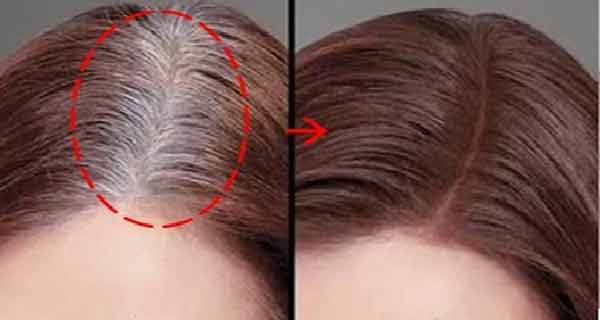
If you want to cover gray hair without using commercial dye, you might try a few natural methods that can effectively pigment gray strands, according to anecdotal evidence.
Gray hair is a natural part of aging. Many people struggle to hide it, even though gray strands are no longer considered unattractive, especially since many international celebrities have adopted the natural, graying look. Among them are Helen Mirren and Meryl Streep, women who embrace their natural hair despite the passing years.
If you don’t feel comfortable with gray hair, there are several solutions available for covering gray strands that you can try at home if you prefer not to use chemical dye.
Commercial hair dye may not be the best choice
Using commercial hair dye or going to a salon to cover gray strands can be simple solutions, but it’s important to know that many types of dye contain a mix of harmful chemicals that can endanger your health, especially if you suffer from allergies or have a very sensitive scalp.
Additionally, there is a risk of more serious conditions; for example, a scientific study published in the Journal of the American Cancer Institute found a link between hair dye and the risk of non-Hodgkin lymphoma, a type of cancer of the lymphatic system. Another study found a link between bladder cancer and permanent hair dye. Researchers say that results so far are mixed, so it cannot be clearly stated whether it is risky to dye your hair regularly.
To reduce the risks you expose yourself to when using commercial dye, you can try some of the natural methods for covering gray hair. It is true that you may need multiple applications to cover gray strands. Additionally, results can vary from person to person.
Natural methods to cover gray hair
If you’ve decided to try a natural method for covering gray hair, here are some ingredients you can use:
Coffee
Coffee can darken gray hair, giving it a brownish color, ideal for women with dark or chestnut hair.
All you need to do is mix one cup of strong coffee (stronger than you usually drink) with half a cup of conditioner or an oil (for example, olive or almond oil). Apply the resulting mixture to clean, dry hair. Let the mask act for about an hour, then rinse your hair. To set the color well, rinse with a mixture of water and apple cider vinegar. Repeat the process once a week, and the gray strands should change color.
Black tea
Black tea has a similar effect to coffee when applied to hair. Prepare a strong cup of black tea using 6-8 tea bags, then mix it with half a cup of olive oil. Apply this mask to clean hair and let it act for about an hour, then rinse thoroughly with water.
Henna
Henna has been used for centuries to pigment hair, and it can also be effective in covering gray. To prepare this henna-based hair dye to cover gray strands, you will need the following ingredients:
1 cup of henna powder
Juice of one lemon
1 tablespoon of yogurt
1 tablespoon of amla powder
Mix all the ingredients in a container, then cover and let the dye sit for at least two hours. Then apply the henna dye to your hair, cover your head, and let it act for about 6 hours. Wash your hair as you usually do, condition it, and dry it. Natural henna dye should be reapplied every 8-12 weeks. Read the instructions carefully on the henna packaging, as they may vary from one manufacturer to another.
It is important to note that if you have dyed your hair with henna, commercial dye cannot be used until the henna completely fades, as it will not be able to pigment the hair strands at all.
Rosemary, nettles, and sage
If you have naturally dark or brown hair with gray strands, you can pigment it using infusions of rosemary, nettles, or sage. You can use these herbs separately or together. Boil a sufficient amount of herbs in water (about two handfuls) for half an hour. Let the infusion cool for 30 minutes. Strain it, then rinse your hair with it and let it act for about an hour. Then rinse your hair with water. Repeat the process for several days, and results will start to appear.
Walnut shells
To cover gray strands naturally, you can try crushing the shells of 20 walnuts, then boiling them in water for at least 30 minutes (if you want a more intense shade, boil the shells longer). Let the water cool, strain it, and apply it to your hair using a cotton pad. Let the walnut water act for about an hour, then rinse your hair with warm water. Repeat the process when you see gray strands starting to appear again.
Carrot juice
If you want to give your hair a reddish-orange hue, you can try carrot juice. Depending on your hair color, the shade may last a few weeks. To dye your hair with carrot juice, mix the carrot juice with a carrier oil, such as coconut or olive oil, then apply generously to all your hair. Cover your hair in plastic and let this natural dye act for at least an hour. Then rinse with water and apple cider vinegar. If the color is not strong enough, you can repeat the procedure the next day.
If you are looking for a more intense reddish hue with cooler undertones, you can try beet juice instead of carrot juice. Be careful, as beet juice can stain skin and surfaces, so it’s best to clean up any spills immediately.