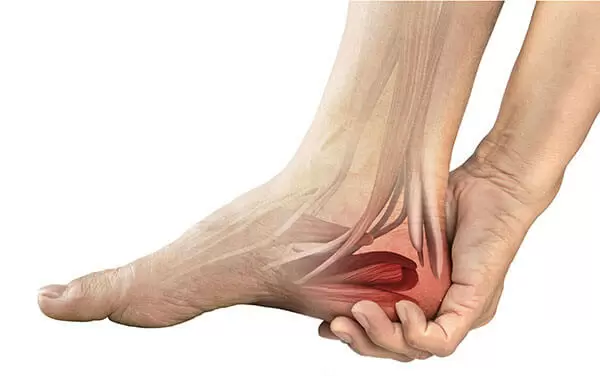
Heel pain is one of the most common orthopedic issues, affecting people of all ages. It can occur suddenly after intense effort or gradually due to inflammation and repeated strain. Although it is often overlooked, heel pain should not be ignored, as it can be a sign of conditions such as plantar fasciitis or heel spurs. In the following sections, we will analyze the causes and the most effective methods to alleviate or even eliminate this pain.
Common Causes of Heel Pain
- Plantar fasciitis – inflammation of the plantar fascia (a thick band of tissue connecting the heel to the toes). It is the main cause of heel pain, and symptoms are usually more intense in the morning with the first steps.
- Heel spur – a bony growth that forms on the heel bone, caused by repeated inflammation and overuse.
- Inadequate footwear – rigid shoes, very thin soles, or high heels can put extra strain on the heel.
- Excess body weight – being overweight puts additional pressure on the heel, exacerbating the pain.
- Intense physical effort – running, standing for long hours, or walking on hard surfaces can lead to micro-injuries.
- Inflammatory conditions – rheumatoid arthritis, gout, and other rheumatic diseases can also affect the heel area.
Natural Remedies for Heel Pain
1. Epsom Salt Soak
Epsom salt, rich in magnesium sulfate, has a relaxing effect on muscles and ligaments. Add 2-3 tablespoons of salt to a basin of warm water and soak your feet for 20 minutes. This treatment helps reduce inflammation, relax tissues, and improve circulation. Repeating daily for a week can bring noticeable improvement. People with sensitive skin should start with shorter soaks to avoid irritation.
2. Massage with Peppermint or Eucalyptus Oil
Essential oils of peppermint and eucalyptus have soothing and cooling effects. A few drops mixed with olive or almond oil can be massaged into the painful area for 5-10 minutes. The massage stimulates circulation, reduces tension in the plantar fascia, and relaxes muscles. The cooling effect provides immediate relief, and over time, the pain diminishes. It is important that essential oils are not applied directly to the skin but are diluted.
3. Ginger or Turmeric Poultices
Ginger and turmeric are natural anti-inflammatories. Grated ginger root can be applied to the heel as a poultice for 20 minutes. Turmeric can be mixed with warm water to form a paste and applied locally. These plants reduce inflammation and pain. Additionally, consuming them internally as tea or supplements helps strengthen the effect. A study published in Journal of Medicinal Food confirms that ginger reduces inflammatory markers, providing real support in painful conditions.
4. Castor Oil Applied Locally
Castor oil is known for its anti-inflammatory and analgesic properties. Warmed slightly and applied to the heel, followed by a gentle massage and covering with a warm compress, can quickly alleviate discomfort. This procedure can be repeated twice a day. Besides reducing inflammation, castor oil nourishes the skin and prevents dryness or cracking of the heels. It is an accessible and very useful remedy for recurring pain.
5. Aloe Vera for Inflammation
Aloe vera gel, applied directly to the heel, hydrates and reduces inflammation. Fresh gel from the leaf or natural gel from the store can be applied 2-3 times a day. Aloe vera contains compounds like acemannan, which help regenerate tissues and reduce pain. Regular application provides a pleasant cooling sensation and aids in recovery. Additionally, it is safe and can be used even by people with sensitive skin.
6. Alternating Hot and Cold Baths
Alternating foot baths in cold and warm water stimulates circulation and reduces inflammation. Soak your feet in warm water for 2-3 minutes, then in cold water for 1 minute, repeating the cycle several times. This contrast helps contract and relax blood vessels, reducing swelling and pain. The procedure is especially useful after a long day on your feet or after intense effort. It can be done daily without side effects.
7. Cabbage Compresses
Cabbage leaves have natural anti-inflammatory properties. They can be lightly crushed with a rolling pin until juicy and applied directly to the painful heel, secured with a cloth for 30-40 minutes. This popular remedy helps reduce inflammation and soothe pain. Cabbage contains sulfur compounds that act as anti-inflammatories. It is a simple, inexpensive, and risk-free method.
8. Massage with Mustard Seeds
Mustard seeds have stimulating and anti-inflammatory effects. Ground and mixed with a little olive oil, they can be used to massage the heel. The massage activates circulation and warms the area, reducing stiffness and pain. This procedure can be repeated daily, especially in the evening, for a relaxing effect. It is particularly useful in cases where pain is exacerbated by cold.
When to See a Doctor
- If the pain persists for more than two weeks despite applied treatments.
- If the pain is intense and appears suddenly.
- If there are signs of swelling, redness, or inability to bear weight on the foot.
- If there is a history of rheumatic diseases or diabetes.
Contraindications
- Avoid applying ice directly to the skin; always use a towel between the compress and the skin.
- Essential oils should be diluted before application to prevent irritation.
- People with diabetes should be very cautious with hot baths or local massages to prevent injuries.
- Do not take oral anti-inflammatories without a doctor’s recommendation, especially if you have digestive or kidney diseases.




