Rosehips were a remedy used by ancient Egyptians, Mayans, and Native Americans, all due to their amazing healing properties, and were turned into a syrup in Britain during the war to ensure children’s resistance to infections.
The syrup was made from seedless rosehips and also helped alleviate diarrhea, stomach cramps, menstrual pain, nausea, and indigestion. Today, it receives much attention for its ability to boost skin health and promote healthy aging.
Rosehip oil, which is technically not an essential oil, has many uses that go beyond just skin deep.
What is rosehip oil?
Rose essential oil is made from rose petals, while rosehip oil, also known as rosehip seed oil, comes from the seeds of the rosehip. Rosehips are the fruits left behind after a plant has flowered and shed its petals.
Rosehip oil is harvested from the seeds of rose bushes predominantly grown in Chile and is packed with vitamins, antioxidants, and fatty acids known to correct dark spots and hydrate dry skin, while also reducing scars and fine lines.
For facial skin care, rosehip oil offers several benefits when applied externally. It protects the skin and increases cell turnover because it contains beta-carotene (a form of vitamin A) and vitamins C and E, which are all antioxidants that help combat free radicals.
The healing properties of rosehip oil are due to its chemical structure. As mentioned, it is rich in healthy fats, but more specifically in oleic, palmitic, linoleic, and gamma-linolenic acids.
Rosehip oil contains polyunsaturated fatty acids (vitamin F), which when absorbed through the skin convert into prostaglandins (PGE). PGEs are excellent for skin care as they are involved in regenerating cell membranes and tissues.
It is also one of the richest plant sources of vitamin C, which is another reason why rosehip oil is such a great product for fine lines and overall skin care.
Benefits for skin and more
1. Anti-aging properties
Rosehip oil has significant anti-aging benefits for your face. Super light and non-greasy, the benefits of this skin care oil come from its antioxidants and its ability to penetrate deeper layers of the skin, where it can improve moisture levels and reduce visible signs of aging.
Collagen production naturally slows down as we age, but due to the high levels of vitamin C in rosehips, this is an oil that can help stimulate collagen production in the skin. In fact, a clinical study published in 2015 revealed that 60 days of topical treatment with vitamin C was very effective as a rejuvenation therapy, inducing significant collagen synthesis across all age groups, with minimal side effects.
For those looking to avoid chemical substances, rosehip oil can be perfect due to its skin-rejuvenating properties, vitamins C and A, and lycopene. This makes adding it to your skin care routine a safer, organic solution to repair skin surface and restore elasticity.
2. Protection against age spots
The sun’s UV rays can damage the skin, resulting in age spots and hyperpigmentation on the face. The antioxidants found in rosehip oil, particularly the combination of vitamins C and E, can help combat free radicals that cause sun damage.
Research suggests that these antioxidants can actually reduce the overproduction of pigment in the skin, which leads to uneven skin tone and age spots. It also helps to obtain these antioxidants internally by including them in your diet.
Drinking organic rosehip tea is an excellent and easy way to do this.
This oil is also deeply moisturizing and helps to remove redness and irritation. These properties also make rosehip oil a potential treatment for rosacea when used as cold-pressed oil, cream, or rosehip-based skin care product.
3. Helps fade stretch marks and reduce acne scars
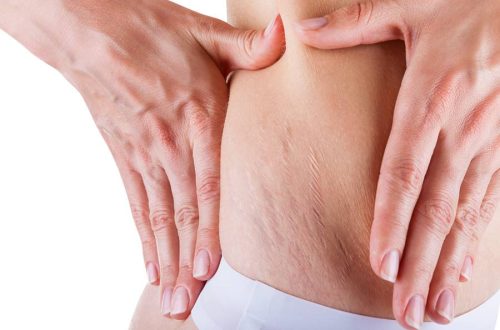
The cold-pressed fats found in rosehip oil can help reduce scars and diminish the appearance of stretch marks by promoting skin regeneration. When applied locally, the fats act as emollients, helping to soften the skin and enhance hydration.
Studies indicate that this skin care oil can also help in cases of eczema due to its emollient status, meaning it can provide a protective barrier for the skin while smoothing out flaking. The oil can also help alleviate dry scalp and dandruff, which are often caused by chemicals in most store-bought shampoos.
4. Supports the immune system
Rosehips are one of the best plant sources of vitamin C, which helps treat infections and boost immune function. The University of Maryland database highlights that rosehips can even be used as a vitamin C supplement.
Fresh rosehips, rosehip tea, or a rosehip supplement are all excellent options for keeping the immune system strong.
In addition to being an antioxidant, vitamin C is responsible for collagen production in the body, which is an important element in the structure of bones and muscles. Reports indicate that the nutrient also helps with the proper absorption of iron, which produces red blood cells.
5. Reduces inflammation and helps with arthritis
People suffering from arthritis can benefit from using rosehips internally, in addition to externally. The Arthritis Foundation reports that rosehip powder is a rich source of vitamin C and seems to reduce inflammation associated with arthritis by inhibiting the production of inflammatory enzymes and proteins.
How to continue with topical use of rosehip oil for arthritis? There is no recent research on this approach, but traditionally, a rosehip infusion has often been added to bathwater for people suffering from arthritis or rheumatism to alleviate symptoms.
You might find that adding a drop of rosehip oil to bathwater or applying it to inflamed areas helps with this issue.
How to use
Start by purchasing a pure, organic product made by a reputable company. You will find rosehip oil products in the form of pure oil, cream, powder, tea, and capsules.
Keep in mind that rosehip oil is delicate and can easily go rancid, so it is important to take care of it. Often, vitamin E oil is added to enhance shelf life. Storing it in the refrigerator or in a cool, dark place can help prevent rancidity.
Although it is more expensive, cold-pressed rosehip oil is the best product as it has not been altered by heat and therefore retains more nutrients.
Since rosehip oil is classified as a dry oil, it absorbs quickly into the skin. You can apply the oil directly to your face using gentle massage motions or incorporate it into various skin care recipes.
Here are some simple ways to incorporate this oil into your routine:
Apply the oil twice a day to clean skin. To focus on problem areas, apply just a few drops of oil to a clean cotton ball and dab it on areas with fine lines, wrinkles, or dark spots. Remember that it does not protect against sunburn, so apply a good quality sunscreen afterward.
While it can prevent and reduce acne scars, it should not be applied directly to active acne.
If you have acne-prone skin, make sure to test a small area first to ensure that the product will not clog your pores, causing unwanted breakouts.
Rosehip seed oil can be used on the face and body as it absorbs quickly without leaving oily residues. Don’t forget that you only need two to three drops.
Risks and side effects
Rosehip oil is generally considered safe for topical use. Before using it on larger areas, do a small patch test to ensure you won’t have an adverse reaction.
If you notice redness, stinging, itching, or any other signs of irritation, wash it off and discontinue use.
Consult your healthcare provider before using rosehip oil internally. Although allergic reactions are rare, be alert to allergic symptoms such as skin rashes, difficulty breathing, rapid heartbeat, chest discomfort, and wheezing.
If using it internally, remember that it has a high level of vitamin C, so individuals with anemia, kidney stones, and diabetes should consult their doctor before use.