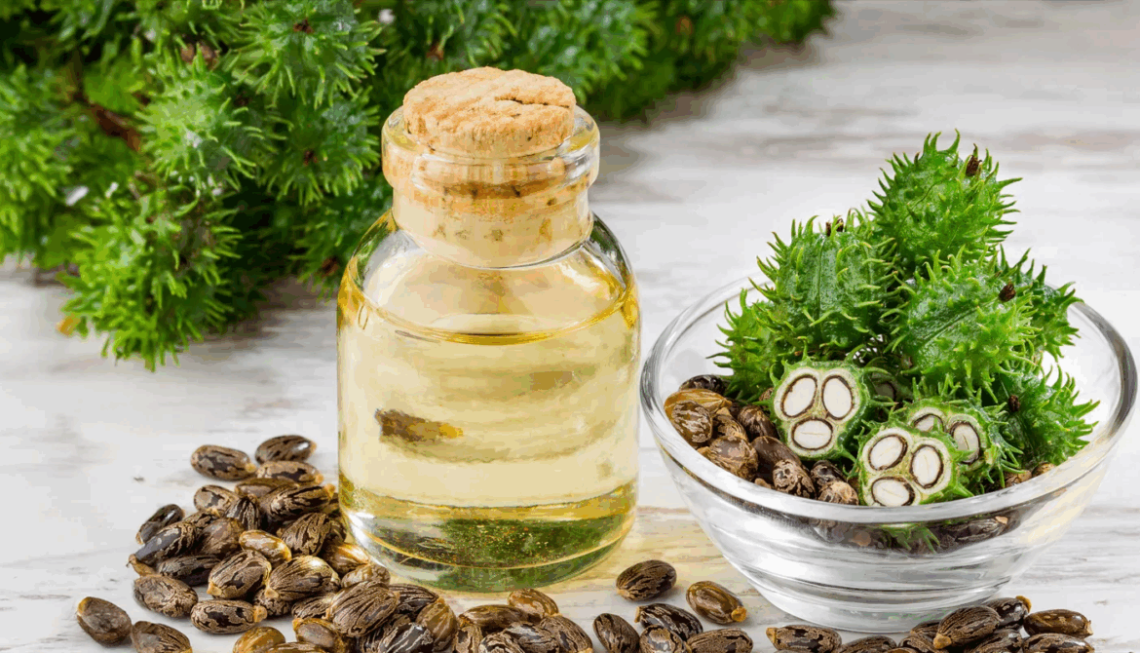
Castor oil is a natural product used for centuries in both folk medicine and cosmetics. Obtained by cold pressing the seeds of the Ricinus communis plant, this viscous oil is recognized for its laxative, anti-inflammatory, and emollient effects. However, despite its benefits, castor oil also comes with a series of risks, especially when taken internally or in inappropriate doses. In this article, you will discover the correct way to use it, scientifically proven benefits, and situations in which it should be avoided.
Benefits of Castor Oil
1. Stimulates Intestinal Transit
Castor oil is known as a powerful natural laxative. This effect is due to ricinoleic acid, the main active component, which stimulates the muscles of the small intestine, thus accelerating the elimination of stool. It is frequently used in cases of acute constipation, but should not be used regularly, as it can lead to intestinal dependency. The effect usually occurs within 24 hours after administration. Therefore, it is recommended to take it in the morning on an empty stomach.
2. Deeply Hydrates Dry Skin
Due to its high content of fatty acids, castor oil acts as a deep emollient, being useful in cases of cracked skin, eczema, or irritations. Its viscous texture creates a protective film on the skin’s surface, preventing moisture loss. It can be applied directly to affected areas or combined with lighter oils, such as almond oil. Many people use it in winter for chapped lips or rough hands. When applied consistently, it reduces flakiness and the sensation of itchiness.
3. Nourishes Hair and Stimulates Its Growth
Castor oil is often used to treat hair loss and to stimulate regeneration. Omega-9 fatty acids and vitamin E contribute to nourishing hair follicles and improving scalp circulation. Many people apply castor oil to the roots, 2-3 times a week, combined with coconut or olive oil to ease application. After 2-3 months of regular use, new hair growth and a thicker texture can be observed. Additionally, the oil can be applied to eyelashes or eyebrows to stimulate growth.
4. Relieves Joint Inflammation and Muscle Pain
Castor oil has anti-inflammatory properties due to ricinoleic acid, which reduces the production of pro-inflammatory prostaglandins. Local application in the form of warm compresses can provide relief in cases of arthritis, lower back pain, or menstrual cramps. It is applied to the affected area, covered with a cloth, and then with a heat source for 30-60 minutes. This method stimulates local circulation and reduces stiffness. Additionally, a gradual reduction in inflammation can be observed without the side effects of anti-inflammatory medications.
5. Helps Treat Minor Skin Infections
Due to its antibacterial and antifungal properties, castor oil can be used to treat superficial wounds, minor burns, fungal infections, or acne. Studies have shown that the oil inhibits the growth of certain bacteria such as Staphylococcus aureus and fungi like Candida albicans. A small amount is applied to the affected area 2-3 times a day. In combination with tea tree essential oil, the antifungal effect can be enhanced. It is important that the area is well cleaned before application.
Relevant Studies
A study published in the International Journal of Toxicology analyzed ricinoleic acid, the main active component of castor oil, demonstrating its intense and rapid laxative effect. Researchers concluded that this acid stimulates EP3 receptors on the intestinal mucosa, causing rapid contractions and evacuation of intestinal contents. The study noted that regular internal use can disrupt electrolyte balance and lead to potassium and sodium imbalances.
Another study, published in Phytotherapy Research, highlighted the potential of castor oil in dermatological treatments. In this study, topical application of the oil on minor skin lesions accelerated the healing process due to its anti-inflammatory and antimicrobial effects. Additionally, another group of researchers observed clear antifungal effects on Candida infections.
Regarding hair health, an experiment published in the Journal of Cosmetic Science showed that regular application of castor oil on the scalp for 8 weeks led to an improvement in hair thickness by up to 20% in some individuals. Increased local circulation, combined with the nourishing effect of the oil, were the main causes.
These studies support the use of castor oil, but with caution, depending on the intended purpose. Despite its effectiveness, overdose or incorrect use can lead to adverse effects.
Contraindications and Risks
- Internal consumption is contraindicated during pregnancy, as it can stimulate uterine contractions and trigger premature labor.
- Not recommended for children under 12 years without medical supervision.
- Individuals with inflammatory bowel conditions (colitis, Crohn’s disease) should avoid internal administration.
- Castor oil can cause skin allergies; a patch test on a small area of skin is recommended before extensive use.
- Prolonged internal use can lead to laxative dependency and severe electrolyte imbalances.
- Accidental ingestion of castor seeds (untreated) is extremely dangerous as they contain ricin, a lethal toxin.
Ways to Use
| Use | Application Method |
|---|---|
| Constipation | 1 tablespoon on an empty stomach, occasionally (not daily) |
| Hair | Massage at the roots, 2-3 times/week, leave for 1-2 hours |
| Compresses | Warm oil, applied to the painful area, covered with plastic wrap and a warm towel |
| Skin | Applied locally to dry, cracked, or irritated skin |
| Eyelashes and Eyebrows | Applied with a clean brush, daily in the evening |
Nutritional Table (per 100 g of castor oil)
| Component | Approximate Amount |
|---|---|
| Calories | 884 kcal |
| Total Fat | 100 g |
| of which saturated fatty acids | 3 g |
| monounsaturated fatty acids | 3.7 g |
| polyunsaturated fatty acids | 4.2 g |
| Ricinoleic acid (omega-9) | over 85% of total |
| Proteins, carbohydrates, fiber | 0 g |




