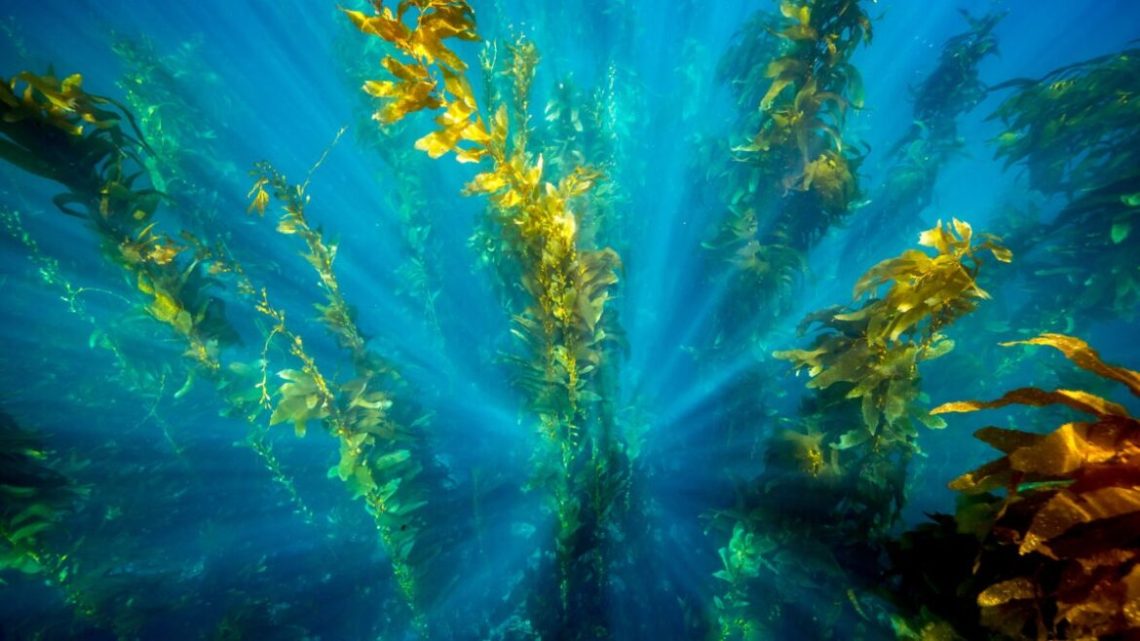
Marine algae are often underestimated, yet they are among the most complex and nutritious foods offered by nature. Used for centuries in Asian cuisine and traditional medicine, these marine plants have gained attention in recent years due to their powerful detoxifying properties. Rich in minerals, vitamins, antioxidants, and fiber, algae act as a natural vacuum for toxins, heavy metals, and other harmful residues in the body. Detoxification with the help of marine algae is currently being intensively studied in medical research, and the results are promising for supporting the liver, kidneys, colon, and overall metabolism. Below, we explain in detail how marine algae work, which types are the most effective, and what recent studies say.
Essential Benefits for Detoxification
1. Binds Heavy Metals in the Body
Certain marine algae, such as Chlorella or spirulina, have a cellular structure that allows them to bind heavy metals like mercury, lead, or cadmium. Once these metals are attached to the cell walls of the algae, they are eliminated from the body through natural detoxification processes. In particular, Chlorella contains an outer membrane capable of effectively binding toxins in the intestines. This mechanism reduces the toxic burden on the liver and protects the kidneys from dangerous accumulations. Over time, regular consumption of algae can help prevent the negative effects of chronic exposure to pollutants.
2. Cleanses the Colon and Supports Digestion
Marine algae are extremely rich in soluble fiber, especially alginates, a substance that forms a gel in the intestines. This gel captures food residues, harmful bacteria, and accumulated toxins, facilitating their elimination through stool. By reducing intestinal fermentation and balancing the flora, algae contribute to more regular transit and better nutrient absorption. Additionally, some types of algae, such as wakame or kombu, stimulate bile secretion, thus supporting the digestion of fats and the elimination of toxins through the liver. A properly cleansed colon is essential for deep detoxification.
3. Protects the Liver, the Center of Detoxification
The liver is the main organ responsible for filtering toxic substances from the body, and marine algae support this function through their antioxidant content, particularly fucoxanthin and chlorophyll. These compounds reduce oxidative stress in the liver, regenerate liver cells, and stimulate detoxifying enzymes. Studies show that spirulina has a hepatoprotective effect and can reduce fat accumulation in the liver (hepatic steatosis), a common problem related to toxicity. Additionally, the vitamin B12 and iron in algae help optimize liver metabolism. Detoxification is thus supported from within, at the cellular level.
4. Alkalizes the Body and Regulates pH
Many toxins accumulate more rapidly in an acidic environment, and marine algae help restore an optimal pH in the body. Regular consumption of algae aids in alkalizing the blood and lymph, reducing inflammation and creating a less favorable environment for the development of harmful bacteria and fungi. This indirect action also supports kidney function, facilitating the elimination of acidic residues. Alkalization also contributes to maintaining mineral balance, especially during detoxification periods. The body thus has more energy and resilience against oxidative stress.
5. Supports Lymphatic Elimination and Circulation
Through their rich content of iodine, potassium, and other minerals, marine algae easily stimulate the lymphatic system and peripheral circulation. This helps drain stagnant fluids and eliminate toxins that accumulate in the intercellular space. An activated lymphatic system is essential for effective detoxification, as it transports metabolic waste to the excretory organs. Additionally, algae contribute to reducing water retention and inflammation associated with lymphatic stagnation. The result is a cleaner body with better-oxygenated and nourished tissues.
Relevant Studies and Research
A study published in Journal of Medicinal Food (2013) analyzed the effects of spirulina on arsenic poisoning. Researchers observed that daily administration of 500 mg of spirulina along with zinc for 16 weeks significantly reduced arsenic levels in the body. Participants also showed an improvement in overall health, including liver function.
Another study in the International Journal of Biological Macromolecules (2017) investigated the ability of alginates from brown algae to bind heavy metals in the intestines. The study showed that this natural compound acts as an intestinal chelator, reducing the absorption of lead and mercury.
In Toxicology Reports (2018), a team of researchers demonstrated that extracts of Chlorella vulgaris stimulate the production of glutathione, one of the most important endogenous detoxifying substances. This effect supports the elimination of fat-soluble toxins and regenerates affected liver cells.
Another study published in Nutrients (2020) showed that spirulina reduces levels of the liver enzyme ALT, an important marker in liver diseases, especially in patients with non-alcoholic fatty liver. This supports the idea that algae can have a protective role for the liver.
Studies have also confirmed the strong antioxidant effects of fucoxanthin, a pigment found in brown algae such as wakame or kombu. Fucoxanthin inhibits the formation of free radicals and reduces cellular inflammation, thus contributing to the overall detoxification of the body.
In Environmental Science and Pollution Research (2021), a study showed that marine algae can be used in environmental purification, including in water biofiltration processes, precisely due to their extraordinary ability to absorb heavy metals. This effect also applies in the human body, where they absorb toxic compounds in a similar manner.
Contraindications and Precautions
- Individuals with thyroid problems (hyperthyroidism) should avoid excessive consumption of algae due to their high iodine content.
- Algae may interact with anticoagulant medications, as some contain vitamin K.
- In cases of advanced kidney disease, electrolyte imbalances may occur if algae are consumed frequently.
- There is a risk that some algae from uncontrolled sources may be contaminated with heavy metals; therefore, only certified supplements are recommended.
- Pregnant or breastfeeding women should consult a doctor before consuming marine algae supplements.
How to Consume Marine Algae for Detoxification
- Spirulina and Chlorella: in capsule or powder form – 1-3 g per day, in cycles of 4-6 weeks.
- Brown Algae (wakame, kombu, hijiki): in soups, salads, smoothies, or cooked with vegetables.
- Nori (for sushi): an excellent source of iodine and chlorophyll, ideal in lymphatic cleansing cycles.
- Intense hydration is recommended during the detoxification period, along with the consumption of plant fibers (green vegetables, seeds).
- For visible effects, detoxification with marine algae should be combined with a clean diet rich in plants and low in processed foods.
Sources:
- Journal of Medicinal Food – Efficacy of Spirulina and Zinc in Chronic Arsenic Poisoning
- International Journal of Biological Macromolecules – Alginate as a bioadsorbent for heavy metal removal
- Toxicology Reports – Chlorella vulgaris enhances glutathione production and protects liver
- Nutrients – Spirulina supplementation reduces liver enzyme levels in NAFLD patients
- Environmental Science and Pollution Research – Heavy metal uptake by marine macroalgae: implications for human health




