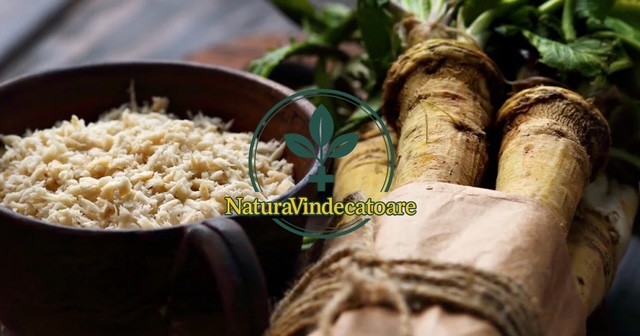
Horseradish (Armoracia rusticana), known for its spicy taste and pungent smell, is more than just a traditional condiment; it is a true powerhouse of nutrients and active compounds. Consumed daily in its raw grated form, horseradish can significantly influence the health of the entire body, from the respiratory system to circulation and immunity. This root has been used in folk medicine for centuries, and modern science is beginning to confirm its numerous benefits.
Benefits of Daily Consumption of Grated Raw Horseradish
1. Boosts Immunity
Horseradish is rich in sulfur compounds, particularly isothiocyanates, which stimulate the production of white blood cells and enhance the body’s ability to fight infections. Its antiviral and antibacterial action is recognized in phytotherapy, being comparable in some studies to natural antibiotics. The vitamin C in horseradish (over 24 mg/100 g) contributes to supporting the immune system during cold seasons. With daily consumption, horseradish can reduce the duration of recurrent respiratory or urinary infections. Additionally, it helps maintain a balanced bacterial flora.
2. Clears Respiratory Tracts
Raw horseradish has an extremely powerful decongestant effect, stimulating the elimination of mucus and clearing blocked sinuses. The natural vapors that occur during consumption help dilate the bronchi and reduce inflammation in the upper respiratory tracts. For this reason, it is frequently recommended in cases of sinusitis, rhinitis, or asthma. It can reduce episodes of productive cough and nasal congestion. It has also been observed to decrease sensitivity to seasonal allergens.
3. Supports Liver Detoxification
The sulfur compounds in horseradish stimulate the enzymes involved in phase II of liver detoxification, particularly glutathione S-transferase. Thus, the body eliminates toxins, heavy metals, and drug residues more efficiently. Additionally, the fibers in horseradish support bile excretion and fat digestion. Consumed daily, it can support liver function during periods of overload, such as after medication treatments or dietary excesses. The effect is enhanced when associated with a balanced diet, free from alcohol or fried foods.
4. Has Anticancer Effects
The isothiocyanates in horseradish are powerful active compounds that have been extensively researched for their antiproliferative effects, particularly on tumor cells in the colon, lungs, and stomach. They induce apoptosis (programmed cell death of cancer cells) and inhibit the formation of new blood vessels that nourish tumors (angiogenesis). Horseradish also contains glucosinolates, which are converted into isothiocyanates through enzymatic action during grating. Daily consumption ensures a constant exposure to these active compounds. In vitro and animal studies support these effects, but more research on humans is needed.
5. Reduces Inflammation in the Body
In addition to its detoxifying effect, horseradish has anti-inflammatory properties due to the enzymes peroxidase and catalase. Regular consumption can reduce chronic low-grade inflammation associated with conditions such as arthritis, colitis, metabolic syndrome, or cardiovascular disease. The effect is more intense when horseradish is consumed raw, as cooking reduces the enzyme content. Additionally, the phenolic acids in the root reduce oxidative stress and protect cells from damage caused by free radicals.
6. Aids Digestion
Horseradish stimulates the secretion of gastric juices and bile, leading to more efficient digestion, especially of fatty or protein-rich foods. It is effective in cases of slow digestion, bloating, or intestinal fermentation. It also has a mild carminative effect (reduces intestinal gas). Through its antibacterial action, it reduces the development of pathogenic microflora in the intestines. Caution is advised, however, as it should be consumed in small amounts to avoid irritating the gastric mucosa.
7. Combats Water Retention
It has a mild diuretic effect, due to glucosinolates and potassium. It can be useful for individuals dealing with edema, swollen feet, or high blood pressure. It stimulates the elimination of toxins through urine and cleanses the kidneys. In short courses (5-7 days), raw horseradish can support lymphatic drainage and weight loss by eliminating excess fluids. This effect is enhanced when combined with parsley or diuretic teas.
8. Improves Blood Circulation
Daily consumption of horseradish stimulates peripheral circulation, warms the extremities, and reduces the risk of blood clot formation. Isothiocyanates have a mild vasodilatory effect, which can lead to lower blood pressure. Additionally, antioxidants reduce the risk of oxidation of LDL cholesterol. Individuals with poor circulation or cold hands/feet may benefit from moderate daily consumption. It is also recommended in cases of chronic fatigue or lack of vitality.
What Do Studies Say?
A study published in the Journal of Agricultural and Food Chemistry (2015) analyzed the composition of isothiocyanates in horseradish and demonstrated that they have a significant capacity to inhibit the proliferation of cancer cells in culture, particularly in colorectal cancer. The study highlighted antioxidant activity comparable to that of broccoli or wasabi, plants from the same family (Brassicaceae).
Another study published in Fitoterapia (2020) showed that horseradish extract has strong antimicrobial properties against pathogenic bacteria such as Staphylococcus aureus and E. coli. This effect was attributed to isothiocyanates, which destroy the cell membranes of bacteria.
In another clinical study on patients with chronic sinusitis (University of Freiburg, Germany), it was observed that treatment with horseradish extract (in combination with nasturtium) reduced the duration of acute episodes and the need for antibiotics.
Additionally, a meta-analysis conducted in 2021 by Phytotherapy Research confirmed the anti-inflammatory and antioxidant effects of daily horseradish consumption, indicating its potential in preventing chronic diseases.
In conclusion, studies validate many of the traditional benefits of horseradish, but it is important to adhere to recommended doses and monitor individual effects.
Contraindications
- Gastritis, gastric or duodenal ulcer – horseradish irritates the mucosa and can worsen symptoms.
- Hypothyroidism – goitrogenic compounds can interfere with iodine absorption.
- Small children – it is too spicy and can cause digestive or respiratory irritation.
- Breastfeeding – not recommended due to active compounds that can reach breast milk.
- Administration of anticoagulants – may interact and increase the risk of bleeding.
- Allergies – in rare cases, it may cause allergic reactions on the skin or respiratory tracts.
Nutritional Table (100 g of Raw Horseradish)
| Nutrient | Approximate Amount |
|---|---|
| Calories | 48 kcal |
| Carbohydrates | 11 g |
| Fiber | 3 g |
| Protein | 1.2 g |
| Fats | 0.7 g |
| Vitamin C | 24 mg (40% DV) |
| Potassium | 246 mg |
| Calcium | 56 mg |
| Magnesium | 27 mg |
| Iron | 0.6 mg |




