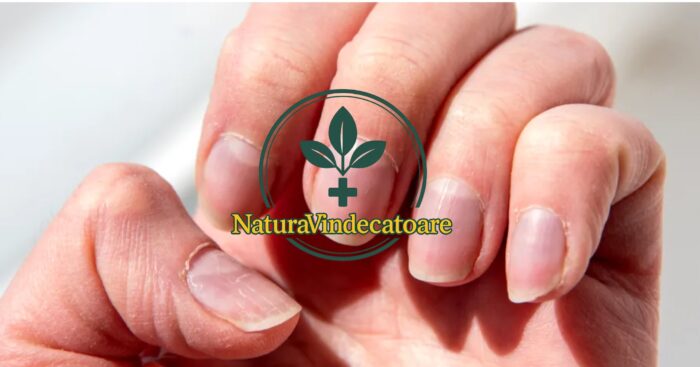
Nails are more than just an aesthetic detail; they can be a true window into the health status of your body. Their texture, color, shape, and strength can indicate nutritional imbalances, chronic conditions, or acute problems that require medical attention. Dermatologists and internal medicine specialists emphasize that visible changes in the nails can occur long before serious symptoms arise, making them a useful tool for the early detection of diseases.
Signs and Possible Medical Interpretations
1. Brittle and Cracking Nails
Nails that break easily, peel, or become thin may indicate a deficiency in biotin, iron, or zinc. In some cases, this issue is related to frequent exposure to chemicals (detergents, nail polish removers) or thyroid diseases.
A study published in Journal of Cosmetic Dermatology (2021) showed that biotin supplementation for 6 months significantly improved nail strength in 80% of participants, especially in those with confirmed nutritional deficiencies.
2. White Spots on Nails (Leukonychia)
White spots are not always a sign of calcium deficiency, as is commonly believed. Most often, they occur due to microtraumas to the nail matrix or due to zinc deficiencies. They can also, though less frequently, indicate fungal infections or liver problems.
According to research published in Clinical Dermatology, persistent or extensive spots should be investigated through tests, especially if accompanied by other general symptoms.
3. Yellow Nails
Nails with a yellowish tint can result from smoking, prolonged use of colored nail polishes, or fungal infections. However, when the discoloration persists and is accompanied by thickening of the nail, it may indicate yellow nail syndrome, associated with chronic respiratory problems or lymphedema.
A study in British Journal of Dermatology (2019) confirmed the link between this rare syndrome and lymphatic drainage disorders.
4. Vertical Ridges on Nails
Fine vertical lines that appear with age are often a normal part of aging. However, if the ridges are pronounced and accompanied by color changes, they may signal deficiencies in vitamin B12 or magnesium.
Doctors recommend blood tests in cases where these changes appear suddenly or worsen rapidly.
5. Concave Nails (Koilonychia)
Spoon-shaped nails, with raised edges and a deep center, are frequently associated with iron deficiency anemia. In these cases, iron supplementation and treating the cause of anemia lead to normalization of nail shape within a few months.
A study conducted at Mayo Clinic showed that over 70% of patients with this deformity had low hemoglobin levels.
6. Horizontal Ridges (Beau’s Lines)
The appearance of deep, horizontal grooves may indicate a temporary halt in nail growth due to serious illnesses, severe infections, or chemotherapy. They can also occur after major trauma or severe nutritional deficiencies.
According to the American Academy of Dermatology, these lines form as a result of major physiological stress on the body.
7. Whitish Nails (Terry’s Nails)
When almost the entire nail is white, with a narrow pink band at the tip, doctors may suspect liver diseases (cirrhosis), heart failure, or diabetes. This change is caused by reduced blood flow in the nail bed.
A study published in The New England Journal of Medicine notes that this appearance occurs in over 80% of patients with advanced liver cirrhosis.
8. Blue or Purple-Tinted Nails
A bluish color usually indicates hypoxia (low oxygen levels in the blood), which can occur in chronic lung diseases, circulatory disorders, or exposure to extreme cold.
Experts emphasize that this sign requires immediate medical evaluation.
Attention:
- Not all changes in the nails indicate serious diseases; some may be caused by external factors (detergents, minor trauma, aging).
- Self-diagnosis based on the appearance of nails is dangerous; persistent signs should be evaluated by a doctor.
- Nail polishes, chemical treatments, and exposure to hot water can temporarily alter the color and texture of nails, without relation to overall health status.
Sources
- Journal of Cosmetic Dermatology – The effect of biotin supplementation on nail health
- Clinical Dermatology – Leukonychia: causes and diagnostic approach
- British Journal of Dermatology – Yellow nail syndrome: clinical features and associations
- Mayo Clinic Proceedings – Koilonychia and iron deficiency anemia
- American Academy of Dermatology – Beau’s lines and systemic disease
- The New England Journal of Medicine – Terry’s nails in systemic disease




