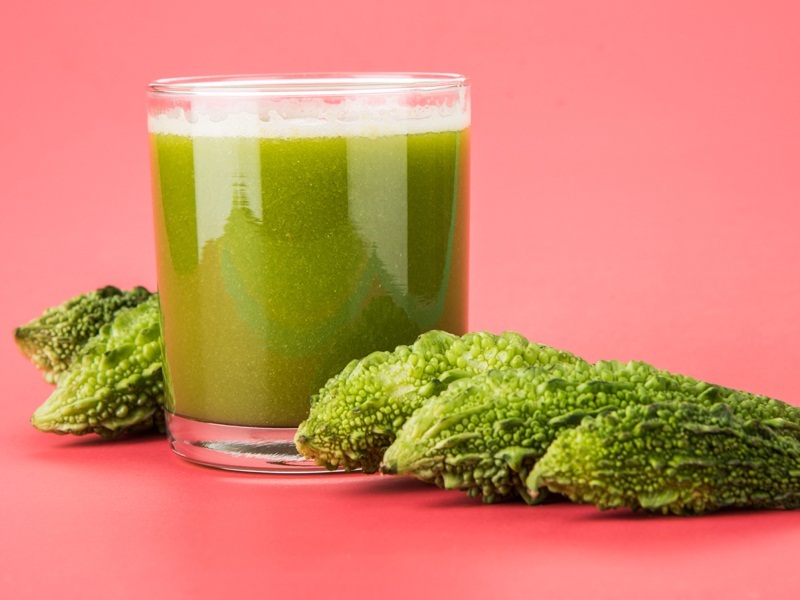
Bitter melon (Momordica charantia), also known as karela, is a tropical fruit used for centuries in traditional Asian medicine, particularly in Ayurveda and Traditional Chinese Medicine. Although its taste is extremely bitter, the juice obtained from this fruit is a powerful remedy, especially used for regulating blood sugar and purifying the blood. However, it is not suitable for everyone, and its consumption should be done with caution. In this article, we explore the benefits of bitter melon juice and who should avoid it.
Benefits of Bitter Melon Juice
1. Blood Sugar Regulation in Type 2 Diabetes
Bitter melon contains charantin, vicin, and an insulin-like compound called polypeptide-P, which can lower blood sugar levels. Clinical studies have shown that regularly consuming fresh juice can improve glucose tolerance and insulin sensitivity. This effect is particularly valuable for individuals with type 2 diabetes, who can benefit from a natural alternative to support conventional treatment. Additionally, it helps prevent postprandial blood sugar spikes, reducing the risk of metabolic complications. It is important to note that the effect is not instant but develops over time with consistent and monitored consumption.
2. Liver Detoxification and Blood Purification
Bitter melon juice has remarkable detoxifying properties, supporting the elimination of toxins from the blood and liver. This effect is due to its rich content of antioxidants, flavonoids, and alkaloids that stimulate liver function. By supporting the liver’s filtering function, it also contributes to clearer and healthier skin, as toxins in the blood can contribute to acne, eczema, or psoriasis. Many specialists recommend 7-14 day detox programs with bitter melon juice for blood purification and reducing systemic inflammation. Its action on the blood also makes it useful in preventing recurrent infections.
3. Anti-inflammatory and Immune-boosting Effects
The active compounds in bitter melon reduce inflammation in the body, including at the cellular level, acting on inflammatory markers such as interleukin-6 and TNF-alpha. This action makes it valuable for individuals with mild autoimmune diseases, allergies, joint pain, or inflammatory digestive conditions. Additionally, it is a natural immune system booster, increasing resistance to viral or bacterial infections. The juice is often recommended in seasonal detox programs to strengthen the body during cold periods. With its content of vitamin C, zinc, and phytonutrients, it provides active protection against free radicals.
4. Supporting Digestion and Reducing Intestinal Parasites
Bitter melon has natural vermifuge properties, helping to eliminate intestinal parasites such as pinworms and giardia. At the same time, it stimulates bile and enzyme secretion, leading to more efficient digestion, especially of fats. It can be useful in cases of bloating, slow digestion, constipation, or intestinal dysbiosis. The juice can act as a general digestive tonic, helping to restore the intestinal mucosa. In Indian folk medicine, it is also used to combat mild gastrointestinal infections.
5. Lowering Cholesterol and Protecting the Heart
Regular consumption of bitter melon juice can reduce levels of bad cholesterol (LDL) and triglycerides, due to its content of natural sterols. This effect is beneficial in preventing cardiovascular diseases such as atherosclerosis, heart attack, or hypertension. It also contains potassium, which helps maintain healthy blood pressure. Its cardioprotective action is supported by its antioxidant effect, which protects blood vessel walls from inflammation and oxidation. Studies indicate an overall improvement in lipid profiles after 4-6 weeks of consumption.
Recipe for Bitter Melon Juice (Karela)
Ingredients:
-
12 fresh bitter melons (approximately 150-200 g in total)
-
100-150 ml of plain or filtered water
-
Lemon (optional, to mitigate the bitter taste)
-
1 small slice of fresh ginger (optional, for digestive effect and taste)
Preparation Method:
-
Wash the bitter melons well. Cut them lengthwise, removing the seeds (especially if they are large and hard).
-
Cut them into small pieces and soak them in salted water for 15-20 minutes to reduce bitterness. Rinse well afterward.
-
Put the pieces in a blender or juicer, add water, and blend until you obtain a deep green liquid.
-
If using a blender, strain the juice through a fine sieve or cheesecloth.
-
Add lemon juice and grated ginger (optional) for a more palatable taste.
-
Consume immediately after preparation. Do not store for more than 6-12 hours in the refrigerator to avoid oxidation.
How to Consume Bitter Melon Juice
Recommended Dose:
-
Start with 30 ml/day, in the morning, on an empty stomach.
-
If well tolerated, you can gradually increase the dose up to 50-70 ml/day, but not more than 100 ml/day.
-
The detox program can last between 7 and 21 days, followed by a break of 2-4 weeks.
Administration Method:
-
Drink it 20-30 minutes before breakfast for effective absorption.
-
Do not consume during meals or immediately after eating.
-
It can be taken alone or combined with warm water, lemon juice, or honey if the bitter taste is hard to tolerate.
Additional Recommendations:
-
Blood sugar levels should be monitored in individuals with diabetes, especially if undergoing medication treatment.
-
Do not combine with other bitter juices or natural laxatives on the same day.
-
For a more intense detoxifying and liver effect, it can be alternately combined on different days with artichoke or dandelion juice.
Nutritional Table (per 100 ml of fresh bitter melon juice)
| Nutrient | Approximate Amount |
|---|---|
| Calories | 17 kcal |
| Protein | 1 g |
| Carbohydrates | 3.7 g |
| Fiber | 1.1 g |
| Vitamin C | 84 mg (140% DV) |
| Zinc | 0.8 mg |
| Potassium | 290 mg |
| Iron | 1.3 mg |
| Magnesium | 16 mg |
| Flavonoids | Present |
Important Study: Antidiabetic Effects of Bitter Melon Juice
A study published in the Journal of Ethnopharmacology (2011) analyzed the efficacy of bitter melon extract in patients with type 2 diabetes. In a sample of 100 individuals, participants who consumed 2000 mg of extract equivalent to fresh juice daily for 4 weeks recorded a significant decrease in blood sugar levels. The study demonstrated that the active substances in the plant have an effect comparable to that of oral hypoglycemic medications, without the severe side effects associated with them.
Additionally, a reduction in oxidative stress and inflammatory markers was observed. Serum insulin levels increased slightly, indicating that the pancreas is stimulated to produce this hormone more efficiently. Participants did not report major adverse reactions, and tolerability was good, except for the strong bitter taste, noted as a drawback by 70% of subjects. The researchers concluded that bitter melon juice can be a therapeutic adjunct option in diabetes control, but does not replace prescribed medication treatment. Other studies confirm this direction, supporting benefits in cardiovascular and metabolic conditions.
Contraindications and Precautions
- Pregnant women should avoid consuming the juice, as it may stimulate uterine contractions and increase the risk of miscarriage.
- Individuals with hypoglycemia should be cautious, as the juice can lower blood sugar levels too much.
- Not recommended for children under 12 years old due to the risk of unpleasant digestive reactions (nausea, cramps, diarrhea).
- May interact with antidiabetic medications, enhancing their effect, so monitoring blood sugar is essential.
- May cause digestive discomfort (burning, cramps) in individuals with a sensitive stomach or gastric ulcer.
- In rare cases, excessive consumption may lead to hepatotoxicity (liver damage), especially in the case of concentrated extracts.
- Individuals with glucose-6-phosphate dehydrogenase (G6PD) deficiency may experience severe adverse reactions.
- It is contraindicated to consume oxidized juice (stored for more than 12 hours), as the bitter compounds become irritating.
Sources:
- Journal of Ethnopharmacology, Hypoglycemic effects of bitter melon in type 2 diabetes patients
- Healthline.com Bitter melon: Benefits and Side Effects
- WebMD Bitter Melon: Uses, Side Effects, and More
- NCBI Antidiabetic potentials of Momordica charantia: A review
- Dr. Axe Bitter Melon Benefits, Nutrition and How to Use It




