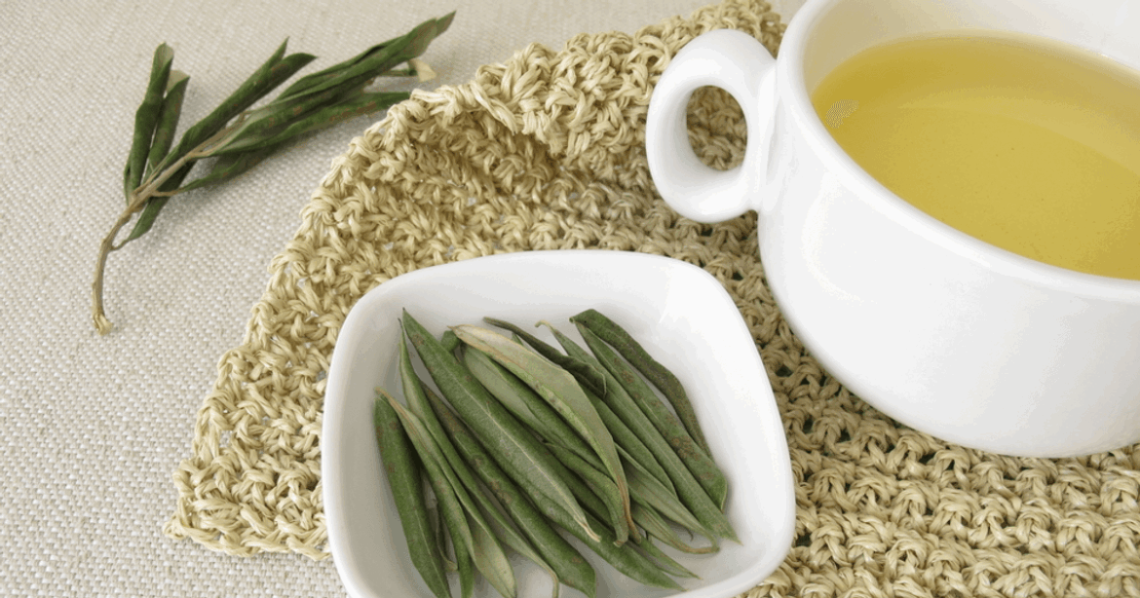
Olive leaf tea is a simple brew, yet it has surprising therapeutic effects supported by scientific studies. Although less known in some regions, this natural remedy is used in Mediterranean countries for regulating blood pressure and supporting vascular health. The main active substance, oleuropein, has recognized antioxidant, vasodilatory, and anti-inflammatory effects. In the following sections, you will discover how to prepare this tea, how to consume it correctly, and the impressive benefits it offers.
Benefits of Olive Leaves for Blood Pressure and Vascular Health
1. Naturally Lowers Blood Pressure
Oleuropein, the main active compound in olive leaves, acts on blood vessels by relaxing the smooth vascular muscles. Thus, the pressure on the vessel walls decreases, leading to a gradual regulation of blood pressure. Regular consumption of the tea can be helpful in cases of mild to moderate hypertension as an adjunct. Additionally, a reduction in systolic blood pressure of up to 10 mmHg has been observed in some cases, without significant adverse effects. This effect is particularly beneficial for individuals with an increased cardiovascular risk.
2. Improves Vascular Elasticity
Consuming olive leaf extract or tea helps maintain the integrity of the endothelium (the inner layer of blood vessels), preventing arterial stiffness. This leads to better blood circulation and reduces the risk of complications such as atherosclerosis. Over time, it contributes to better vascular adaptation in the face of oxidative stress and chronic inflammation. The effect is comparable to that of some vasoprotective therapies. It can be a support for seniors with circulation issues or individuals with metabolic syndrome.
3. Protects the Heart and Reduces Inflammation
Olive leaves have a strong antioxidant effect, which reduces oxidative stress—a key factor in cardiovascular diseases. They lower the levels of pro-inflammatory cytokines (such as TNF-alpha and IL-6), thus protecting cardiac tissue. Studies show that they can reduce levels of CRP (C-reactive protein), a marker of systemic inflammation. The beneficial effects on the heart are amplified if the tea is consumed daily for at least 4 weeks. This can prevent the occurrence of cardiovascular complications, especially in sedentary individuals or smokers.
4. Has a Mild Diuretic Effect and Eliminates Excess Sodium
Olive leaves promote the elimination of excess water and salts through urine, thus helping to lower blood pressure. The mild diuretic action does not lead to significant losses of electrolytes but supports lymphatic drainage and kidney function. By reducing fluid retention, it also helps combat peripheral edema (swollen hands and feet). This effect is especially essential in forms of hypertension related to a high-salt diet or in cases of venous circulation problems.
5. May Reduce Cholesterol Levels
Regular consumption of olive leaf tea helps reduce total cholesterol and LDL cholesterol (bad cholesterol). Oleuropein and other antioxidants inhibit the oxidation of LDL, a process that promotes the formation of atheromatous plaques. Over time, this effect can contribute to protecting the arteries and maintaining a healthy lipid profile. Additionally, the extract may increase HDL cholesterol (good cholesterol), further aiding in artery cleansing. These changes can prevent myocardial infarction or strokes.
Relevant Scientific Studies
A study published in Phytomedicine (2008) evaluated 40 patients with mild hypertension who were administered 500 mg of olive leaf extract twice daily for 8 weeks. The results showed a significant reduction in systolic blood pressure (on average -11.5 mmHg) and diastolic blood pressure (on average -4.8 mmHg). The study concluded that the extract has an efficacy comparable to standard medications for hypertension, but without significant adverse reactions.
Another study published in European Journal of Nutrition (2017) investigated 60 individuals who consumed olive leaf extract for 6 weeks. Not only was a decrease in blood pressure observed, but also an improvement in arterial elasticity and a reduction in inflammatory markers. Researchers concluded that oleuropein has a direct vasodilatory effect and could be used as a supplement to prevent cardiovascular diseases.
A meta-analysis from 2022 published in Journal of Dietary Supplements included 8 clinical studies and showed that olive leaf extract, administered at doses between 500 mg and 1000 mg/day, consistently reduced blood pressure. The authors emphasized that the effects are dose-dependent, duration-dependent, and quality-dependent.
Animal studies have confirmed the mechanisms of action: oleuropein causes relaxation of vascular smooth muscles by releasing nitric oxide (NO), a natural vasodilator. Additionally, it inhibits the ACE (angiotensin-converting enzyme), further supporting the antihypertensive effect.
A cohort study conducted in Italy on 1,200 individuals following a Mediterranean diet found that those who frequently consumed olive leaf tea or extract had lower blood pressure and a generally reduced cardiovascular risk.
Preparation and Recommended Consumption
- Use 1 tablespoon of dried olive leaves (or 1 tea bag) in 250 ml of boiling water.
- Let it steep for 10-15 minutes, then strain.
- Drink 2-3 cups per day, preferably between meals.
- For visible effects, regular consumption of at least 4 weeks is recommended.
- The taste is slightly bitter, but it can be improved with a few mint leaves or a bit of lemon.
Contraindications and Precautions
| Condition | Details |
|---|---|
| Hypotension | May worsen the condition as it further lowers blood pressure. Avoid if you have a blood pressure below 100/60 mmHg. |
| Antihypertensive Treatment | May potentiate the effects of medications and lead to hypotension. Requires medical monitoring. |
| Diabetes | May lower blood sugar levels. Adjustment of antidiabetic treatment may be necessary. |
| Allergies to Oleaceae | May cause allergic reactions. Avoid if you have an allergy to olive, jasmine, or lilac. |
| Pregnancy and Breastfeeding | Insufficient data regarding safety. Use only with medical advice. |
| Children under 12 years | Not recommended without medical consultation. |
| Severe Renal or Hepatic Insufficiency | Use may require dose adjustments or complete avoidance. |
Sources
-
webmd.com Olive Leaf Extract: Health Benefits
- journalrip.com The effect of olive leaf use on blood pressure; A systematic review
-
pmc.ncbi.nlm.nih.gov Impact of phenolic-rich olive leaf extract on blood pressure, plasma lipids and inflammatory markers: a randomised controlled trial
-
pubmed.ncbi.nlm.nih.gov Efficacy of olive leaf extracts in controlling blood pressure in hypertensive patients: a double-blind randomized clinical trial
-
nutraingredients.com Olive leaf extract may support healthy blood pressure




