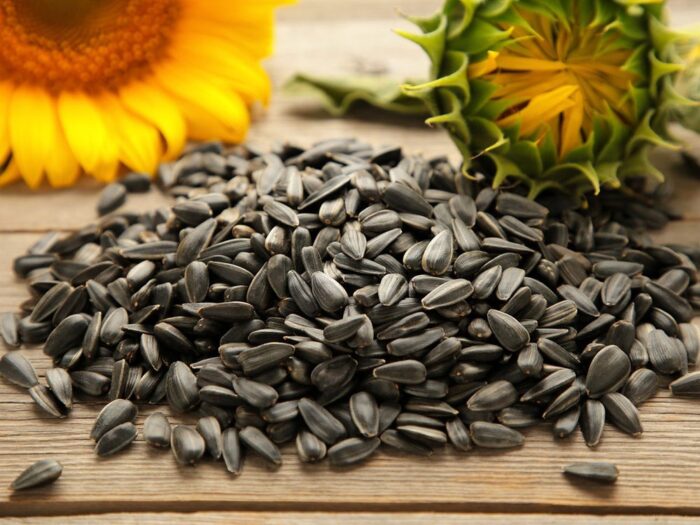
Sunflower seeds have been, for many of us, a small joy of childhood, whether enjoyed at the gate or on the way to school. Beyond the pleasant memories, these seeds hide a nutritional treasure with significant effects on heart health and the entire body. Rich in healthy fats, proteins, vitamins, and minerals, they have attracted the attention of researchers who have studied their cardioprotective potential. The way you consume them can influence both their taste and their nutritional value.
Benefits for Heart and Health
1. Supports Cardiovascular Health through Vitamin E Content
Vitamin E is a powerful antioxidant present in significant amounts in sunflower seeds, protecting cells from oxidative stress. It prevents the oxidation of LDL cholesterol, a process associated with the formation of atheromatous plaques. Studies show that an adequate intake of vitamin E can reduce the risk of heart attack and stroke. Additionally, this vitamin contributes to maintaining the elasticity of blood vessels. Regular consumption of raw, unsalted seeds can be a natural way to support heart health.
2. Contributes to Lowering Blood Pressure
Sunflower seeds contain magnesium, an essential mineral for relaxing blood vessels. Magnesium helps regulate heart muscle contractions and prevents high blood pressure. Daily consumption in moderate amounts can provide a constant supply of magnesium. Through their vasodilatory effect, these seeds support blood circulation and reduce the strain on the heart. Replacing salty snacks with unsalted seeds is a simple yet effective change.
3. Improves Lipid Profile
The unsaturated fats in sunflower seeds, particularly linoleic acid, help lower levels of bad cholesterol (LDL) and increase good cholesterol (HDL). This change in lipid ratio reduces the risk of atherosclerosis. Research shows that replacing saturated fats in the diet with unsaturated fats can improve cardiovascular health. Consuming them raw preserves these valuable fats. A balanced diet that includes seeds can support long-term arterial health.
4. Supports Nervous System Health
Magnesium and B vitamins in sunflower seeds contribute to the optimal transmission of nerve impulses. These substances help reduce stress and maintain a balanced mental state. Magnesium deficiency can lead to irritability and anxiety, and including seeds in the diet can be a natural step towards balance. Vitamin B6 in these seeds supports the synthesis of serotonin, the happiness hormone. Thus, their benefits extend beyond the heart, influencing overall well-being.
5. Reduces Chronic Inflammation
Sunflower seeds contain anti-inflammatory compounds, including flavonoids and vitamin E, which reduce levels of inflammatory markers in the blood. Chronic inflammation is a risk factor for heart disease, diabetes, and other conditions. Regular consumption, integrated into an anti-inflammatory diet, can support the body in fighting degenerative processes. By reducing inflammation, endothelial function of blood vessels improves. This effect is particularly important in preventing cardiovascular diseases.
6. Provides Energy and Supports Muscle Mass
The proteins in sunflower seeds are essential for regenerating and maintaining muscle mass. They provide important amino acids that help repair tissues after exertion. The high content of healthy fats offers long-lasting energy, preventing sharp drops in blood sugar. Thus, they are an ideal snack between meals or before physical activities. Constant energy and support for muscle mass have beneficial indirect effects on the heart.
7. Maintains Skin and Hair Health
Vitamin E, zinc, and selenium in sunflower seeds support the regeneration of skin and hair follicles. Antioxidants protect against premature aging caused by free radicals. Regular consumption can improve skin texture and prevent hair loss. A well-nourished body from the inside will appear healthier on the outside. This aesthetic effect is a pleasant bonus of a nutritious snack.
8. Contributes to Bone Health
In addition to magnesium, sunflower seeds contain phosphorus and copper, important minerals for bone density. They help in calcium fixation in bones and prevent osteoporosis. Consistent consumption, along with a balanced diet, supports long-term bone structure. An adequate intake of minerals prevents fragility and the risk of fractures. This is particularly important in older age.
Studies and Research
A study published in the Journal of the American College of Nutrition analyzed the effects of consuming oilseeds, including sunflower seeds, on cardiovascular health. Participants who included these seeds in their daily diet showed significant improvements in HDL cholesterol levels and reductions in LDL. The effects were attributed to the content of unsaturated fats and phytosterols. The study lasted 12 weeks and included individuals with moderate cardiovascular risk. The results suggest that these seeds can be integrated into primary prevention strategies. The authors emphasized the importance of consuming them raw and unsalted. This form preserves bioactive compounds sensitive to temperature. Additionally, participants reported a better overall state and increased energy levels.
How to Consume
- Raw – the healthiest option, preserving the content of unsaturated fats and vitamins.
- Lightly Roasted, Unsalted – for an intense flavor, but with minimal nutrient loss.
- In Salads – adds a crunchy texture and nutritional value.
- In Granola or Energy Bars – for a constant energy supply.
- In Seed Butter Form – a healthy alternative to classic butter, rich in protein.
Contraindications
- Excessive consumption can lead to weight gain due to high caloric density.
- Individuals with nut allergies should avoid consumption.
- Salted seeds can raise blood pressure, being contraindicated for hypertensives.
- Excess can cause digestive discomfort, bloating, or diarrhea.
- In the case of very low-fat diets, consumption should be adjusted.
Nutritional Table (100 g of Raw Seeds)
| Nutrient | Amount |
|---|---|
| Calories | 584 kcal |
| Proteins | 20.8 g |
| Total Fats | 51.5 g |
| Saturated Fats | 4.5 g |
| Carbohydrates | 20 g |
| Fiber | 8.6 g |
| Vitamin E | 35.1 mg |
| Magnesium | 325 mg |
| Phosphorus | 660 mg |
1. Energizing Salad with Sunflower Seeds and Fresh Vegetables
Ingredients (2 servings):
- 2 handfuls of leafy greens (spinach, lettuce, or arugula)
- 1 grated carrot
- 1 diced red bell pepper
- 6 cherry tomatoes
- 2 tablespoons of raw, unsalted sunflower seeds
- 1 tablespoon of extra virgin olive oil
- Juice of half a lemon
- Salt and pepper to taste
Preparation Method:
- Wash the leaves and vegetables well.
- In a bowl, combine the leaves, grated carrot, bell pepper, and tomatoes.
- Sprinkle the raw sunflower seeds on top.
- Mix the olive oil with the lemon juice, salt, and pepper, and pour over the salad.
- Toss gently and serve immediately for maximum vitamin and antioxidant intake.
Benefits: This salad combines the healthy fats and proteins from sunflower seeds with the fiber and vitamins from vegetables, supporting heart and digestive health.
2. Vegetable Spread from Sunflower Seeds and Garlic
Ingredients (approx. 4 servings):
- 150 g of raw sunflower seeds, soaked in water for 4 hours
- 2 cloves of garlic
- Juice of half a lemon
- 2 tablespoons of extra virgin olive oil
- 50 ml of water (or as needed for consistency)
- Salt and pepper to taste
- Optional: chopped fresh parsley
Preparation Method:
- Drain the soaked seeds and place them in a blender.
- Add the garlic, lemon juice, olive oil, and some water.
- Blend until you achieve a smooth paste, adding water gradually for the desired consistency.
- Season with salt and pepper, then add parsley if you want an extra touch of freshness.
- Serve on whole grain bread or with raw vegetables.
Benefits: This vegetable spread is an excellent source of protein, healthy fats, and antioxidants, suitable for a quick and nutritious snack.




