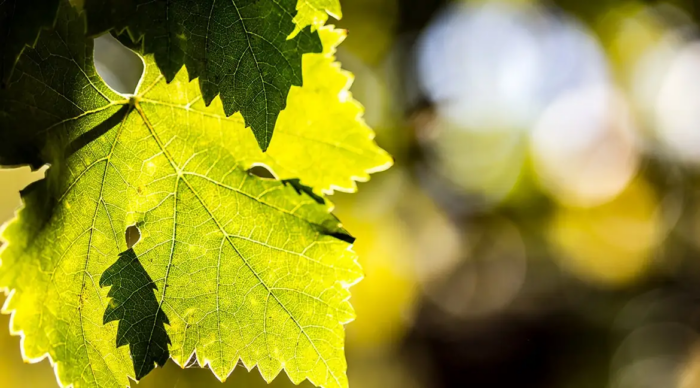
The grape leaf, often overlooked, hides an impressive arsenal of beneficial compounds for the health of blood vessels. Beyond its role in Mediterranean cuisine, young leaves, harvested from clean and chemically untreated areas, can be used to prepare a tea with vasoprotective and anti-inflammatory properties. In traditional European medicine, this tea is valued for its effects on blood circulation, edema, and the sensation of heavy legs, and modern research largely confirms these uses. Here’s how you can use it:
Composition of Grape Leaves
Grape leaves contain:
- Flavonoids (quercetin, kaempferol) with antioxidant and vasoprotective roles.
- Tannins with astringent and anti-inflammatory effects.
- Phenolic acids that support the health of capillaries.
- Vitamin C that maintains the walls of blood vessels.
- Fiber that aids detoxification.
- Minerals (magnesium, potassium, calcium) involved in regulating vascular tone.
Benefits
1. Improves Peripheral Circulation
Tea made from grape leaves acts directly on small blood vessels, improving microcirculation. Flavonoids reduce inflammation of the vascular walls, facilitating blood flow even in peripheral areas. This effect can help individuals with heavy leg syndrome or numbness in the limbs. Additionally, tannins contribute to toning the vascular walls, preventing excessive dilation of veins. Regular consumption, in courses of several weeks, can alleviate discomfort caused by poor circulation.
2. Reduces Edema and Water Retention
Due to its mild diuretic action, the tea supports the elimination of excess fluids from tissues. Tannins and potassium work synergistically to maintain fluid balance and prevent water accumulation in the body. In cases of swelling in the ankles or legs, regular administration can provide gentle relief without overloading the kidneys. Furthermore, by reducing water retention, it also decreases pressure on blood vessels.
3. Protects Blood Vessels Against Fragility
Vitamin C and flavonoids stimulate collagen production, an essential component of vascular walls. Thus, the vessels become more resistant to rupture, and the risk of varicose veins decreases. Over time, this protection can contribute to slowing down degenerative processes associated with aging. The tea can be especially beneficial for individuals with visible capillaries on the skin’s surface.
4. Supports Venous Health in Chronic Venous Insufficiency
Studies have shown that extracts from red grape leaves reduce symptoms of chronic venous insufficiency, such as pain, heaviness, and swelling in the legs. Although the tea is less concentrated than standardized extracts, it retains some of the beneficial effects. Regular consumption can be a natural maintenance option alongside supplement courses, supporting circulation without major side effects.
5. Has Antioxidant and Anti-inflammatory Effects
Flavonoids and phenolic acids combat oxidative stress, a factor involved in the hardening and narrowing of blood vessels. Reducing inflammation at the vascular level prevents the formation of atheromatous plaques and maintains arterial flexibility. A consistent intake of these substances can support long-term cardiovascular health, especially in individuals with risk factors.
6. Aids Recovery After Vascular Trauma
In cases of bruises, sprains, or hits, local inflammation and small capillary ruptures can be alleviated through better oxygenation and cellular nutrition. Tea made from grape leaves can accelerate the healing process by stimulating microcirculation and reducing edema. The effects are enhanced when accompanied by a diet rich in antioxidants.
7. Contributes to Regulating Blood Pressure
The potassium in grape leaves helps relax vascular walls, promoting their dilation and reducing blood pressure. This action is supported by flavonoids, which improve endothelial function. Although it does not replace medical treatment, the tea can be a useful complement for those with mild hypertension.
8. May Reduce the Sensation of Cold Feet
By improving peripheral circulation, the tea helps increase the warm blood supply to the extremities. Individuals suffering from cold feet syndrome may notice an improvement after a few weeks of consumption. This also contributes to reducing discomfort during the cold season.
Recipe for Grape Leaf Tea
- Ingredients: 1 tablespoon of dried leaves (green or red), 250 ml boiling water.
- Preparation: Pour water over the leaves, cover, and let steep for 10-15 minutes.
- Administration: 1-2 cups per day, in courses of 3-4 weeks.
Studies and Research
- Efficacy of Grape Leaf Extract in Chronic Venous Insufficiency
This study included 264 patients with chronic venous insufficiency treated with standardized extract from red grape leaves. After 12 weeks, a significant reduction in swelling and pain was observed compared to the placebo group. The authors concluded that the flavonoids and anthocyanins in the leaves act by reducing capillary permeability and improving venous tone. - Antioxidant and Anti-inflammatory Activities of Vitis vinifera Leaves
Researchers analyzed the chemical composition of the leaves and found a high content of quercetin and phenolic acids. In vitro tests showed that the extracts reduce inflammatory markers and neutralize free radicals. This action suggests an important role in protecting blood vessels from oxidative damage. - Vascular Effects of Polyphenols from Grapevine Leaves
The study demonstrated that polyphenols from the leaves improve endothelial function, promoting vessel dilation and blood flow. The results indicate a potential adjunct in preventing hypertension and atherosclerosis.
Contraindications
- Individuals with allergies to grapes or grapevines should avoid consumption.
- Not recommended during pregnancy and breastfeeding without medical advice.
- Individuals with severe kidney problems or on diuretic treatment should consult a doctor.
- May interact with anticoagulants or blood pressure medications.




