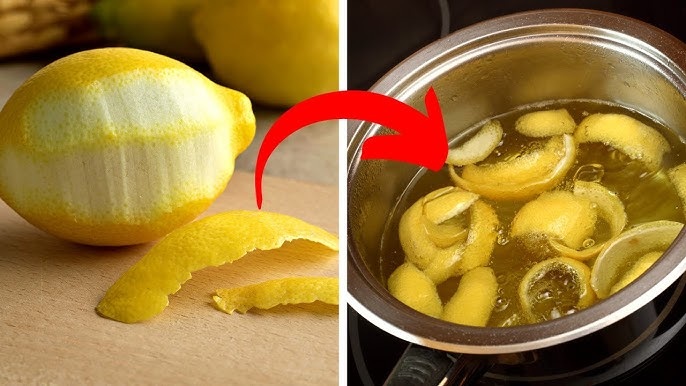
While most people only use the juice or pulp of the lemon, its peel often remains underutilized, representing a huge waste considering its therapeutic potential. Properly boiled lemon peel becomes a simple remedy with real effects on two common issues: slow digestion and high cholesterol levels. This infusion is an example of a home remedy that is easy to prepare.
Recipe: Boiled Lemon Peel Tea
Ingredients:
- Peel from 2 untreated lemons (organic)
- 500 ml water
- (optional) 1 tablespoon of honey or a cinnamon stick for flavor
Preparation Method:
- Wash the lemons well with warm water and baking soda to remove any impurities.
- Peel the lemons, avoiding the bitter white part.
- Boil the peel in 500 ml of water for 10-15 minutes.
- Let it steep for an additional 10 minutes after turning off the heat.
- Strain and consume the tea warm or slightly hot.
You can consume 1 cup in the morning, on an empty stomach, for 7-10 days.
Benefits: What Issues Can This Remedy Address
1. Aids Digestion and Reduces Bloating
Lemon peel contains essential oils such as limonene and citral, which have carminative and stimulating effects on gastric secretions. These substances help relax the muscles of the digestive tract, promoting gas elimination and reducing the feeling of bloating. Additionally, the flavonoids present in the peel stimulate bile activity and assist in fat digestion.
In the short term, consuming this tea can alleviate abdominal discomfort after heavy meals. In the long term, it supports more efficient intestinal transit and reduces the risk of functional dyspepsia, especially in sedentary individuals or those with erratic eating habits. In traditional Mediterranean medicine, boiled lemon peel is frequently used as a digestive tonic after hearty meals.
2. Contributes to Lowering Cholesterol
Lemon peel is one of the most concentrated natural sources of polyphenols and flavonoids (especially hesperidin and diosmin), which have been shown to be effective in regulating cholesterol levels. By inhibiting the intestinal absorption of fats and stimulating liver metabolism, these substances help reduce LDL (bad cholesterol) and support the increase of HDL (good cholesterol).
Moreover, the antioxidants in the peel prevent the oxidation of fats in the blood, protecting arterial walls from the formation of atheromatous plaques. Clinical studies support that daily administration of citrus peel extract can reduce total cholesterol in 4-6 weeks.
Studies
Study 1: The Effect of Hesperidin from Citrus Peel on Cholesterol
A study published in Journal of Clinical Biochemistry and Nutrition (2018) analyzed the impact of hesperidin on patients with dyslipidemia. Participants received citrus peel-based supplements for 8 weeks. The results showed a significant reduction in total cholesterol (15%) and LDL (18%), without adverse effects.
Researchers concluded that the flavonoids in the peel act both through antioxidant effects and by inhibiting enzymes involved in hepatic cholesterol synthesis. This dual effect makes citrus peel a potential natural adjunct in managing hypercholesterolemia.
Study 2: Essential Oils from Lemon Peel and Digestive Effects
An article published in Phytotherapy Research (2021) explored the activity of essential oils extracted from lemon peel on the digestive tract. The research demonstrated that limonene has antispasmodic and carminative effects, reducing irregular contractions of the intestine and promoting gas elimination.
Additionally, extracts from the peel showed antibacterial activity against certain strains of Helicobacter pylori, suggesting a preventive role in the development of gastric ulcers. The authors recommend further investigation of boiled peel infusions as an easily accessible alternative for recurrent abdominal discomfort.
Contraindications and Precautions
- Not recommended for individuals with hyperacid gastritis or active ulcers, as the decoction may stimulate gastric acidity.
- Individuals taking anticoagulant medications should consult a doctor beforehand, as flavonoids may interact with coagulation.
- Pregnant women should consume with moderation and only untreated lemons.
- Avoid lemon peel from waxed or fungicide-treated fruits; opt for organic options.
Boiled lemon peel tea is an overlooked yet extremely valuable remedy for supporting digestion and balancing cholesterol. Easy to prepare and based on recent research, this remedy deserves a stable place in your health routine. Choose clean lemons, boil the peel carefully, and enjoy the dual benefits with minimal effort.
Sources:
- Journal of Clinical Biochemistry and Nutrition Hesperidin reduces serum cholesterol levels in humans
- Phytotherapy Research Lemon peel essential oils and gastrointestinal protection: A randomized controlled trial




