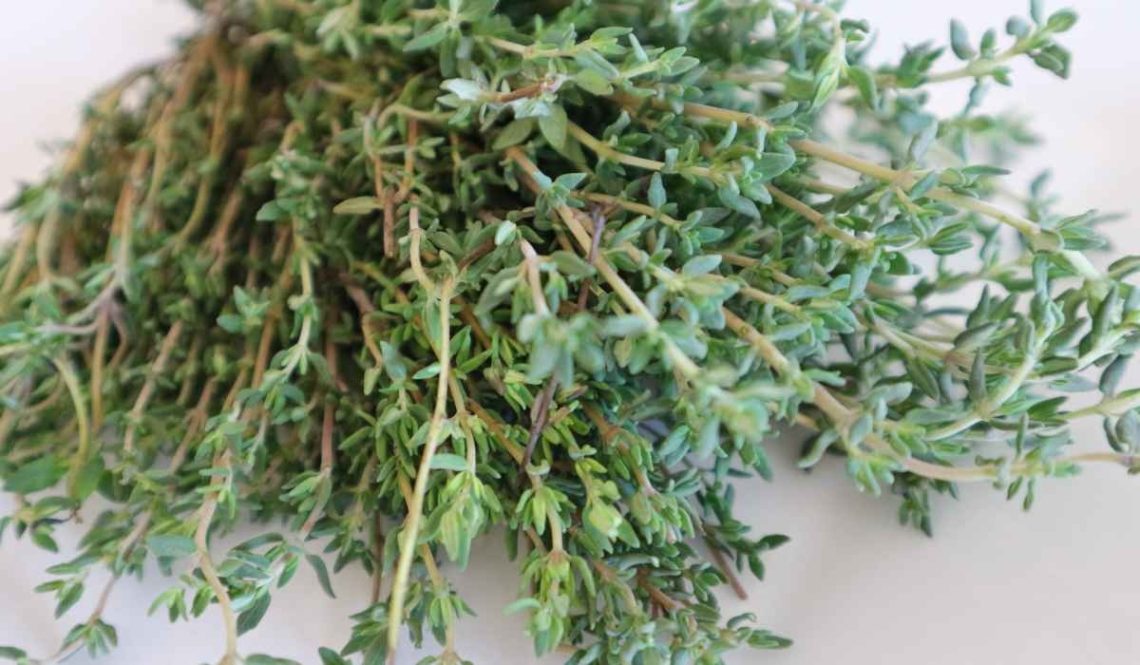
In ancient times, herbal balls were common treatments. Thyme, known for its strong aroma, was used not only in cooking but also as a remedy for joint pain, heavy legs, and circulatory issues. Today, this simple and effective treatment has largely been forgotten. Rediscovering thyme balls can bring relief to those suffering from rheumatism, varicose veins, or peripheral circulation deficiencies without resorting to invasive solutions.
Benefits of Thyme Balls
1. Stimulates Peripheral Circulation
The volatile oils in thyme (especially thymol) have a vasodilating and local warming effect. When absorbed through the skin during the bath, they promote the dilation of blood vessels in the lower limbs. This action leads to increased blood flow to the extremities, which is very helpful in cases of cold hands and feet, numbness, or tingling. Repeated baths can contribute to improved vascular tone and reduced symptoms caused by poor circulation. The effects can be felt even within the first few days, especially if the treatment is combined with gentle massage after the bath.
2. Relieves Rheumatic and Muscular Pain
Thyme has anti-inflammatory effects due to compounds like thymol and carvacrol. When used as an infusion in warm water, it helps relax tense muscles and reduce joint pain. People with rheumatism, arthritis, or lower back pain may experience significant symptom relief after a few consecutive baths. The warmth of the water combined with the plant’s properties produces a synergistic calming and regenerating effect locally. It is a natural, gentle, and effective method without the side effects of synthetic anti-inflammatories.
3. Detoxifies the Skin and Pores
Thyme has strong antiseptic and antibacterial properties, making it useful for deep body hygiene. Thyme baths help open the pores and eliminate toxins through gentle sweating. They can assist in mild dermatological conditions, such as eczema or body acne, by reducing bacterial colonization on the skin. At the same time, the skin becomes cleaner, softer, and more toned after just a few uses. Practicing this habit regularly contributes to maintaining skin health and stimulating cellular regeneration processes.
4. Reduces Stress and Induces a State of Calm
The aromatic oils in thyme also act on the nervous system through inhalation of the vapors during the bath. Thymol has calming effects and can gently reduce nervous tension and anxiety. Warm thyme baths can become a relaxation ritual after a tiring day, helping to balance emotional states. Studies show that aromatic plants like thyme can influence neurotransmitters, stimulating the production of serotonin and dopamine. Thus, these baths can help in cases of chronic fatigue, insomnia, or irritability.
5. Strengthens the Immune System through Antiseptic Effects
By absorbing active compounds through the skin and mucous membranes, thyme baths can contribute to strengthening overall immunity. Thymol, carvacrol, and flavonoids in the plant have antiviral, antifungal, and antibacterial actions. Although they do not replace medical treatment, they can be useful in preventing respiratory infections, especially in the cold season. Inhaling vapors during the bath can decongest the respiratory pathways and reduce the risk of viral infections. Additionally, the general tonifying effect supports the body in fighting stress factors and environmental pathogens.
What Studies Say About Thyme
A study published in Journal of Applied Microbiology demonstrated that thyme essential oil has significant antibacterial effects against pathogens such as Staphylococcus aureus and Escherichia coli. These effects are mainly due to the high content of thymol, a phenol with antimicrobial action. Researchers showed that external application (including through baths) can reduce the risk of skin infections. Additionally, thymol has demonstrated antioxidant properties, protecting skin cells from oxidative stress.
Another study published in Fitoterapia evaluated the effects of thyme extract on pain and inflammation in rodents. The results showed a significant reduction in inflammation and pain, comparable to that of ibuprofen. This effect supports the traditional use of thyme for rheumatic and joint pain. Furthermore, pharmacological studies confirm that both aqueous and oily extracts of the plant have relaxing effects on smooth muscle.
Another study in Evidence-Based Complementary and Alternative Medicine showed that baths with aromatic plant oils, including thyme, can improve well-being, sleep, and cardiovascular function. Participants who took aromatic baths for 2 weeks showed a significant decrease in blood pressure and a reduction in cortisol levels (the stress hormone). This confirms the positive effect of thyme on emotional and neurovegetative levels. Research continues to explore other benefits in the areas of circulation and skin health.
How to Prepare a Thyme Bath
Ingredients:
- 100 g dried thyme (or 3-4 tablespoons)
- 2 liters of water
- Bathtub with warm water (approx. 37-38°C)
Preparation Method:
- Boil the 100 g of thyme in 2 liters of water for 10-15 minutes.
- Strain the liquid and pour it into the bathtub with warm water.
- Soak in the bath for 15-20 minutes, breathing deeply.
- After the bath, wrap yourself in a towel and rest for 30 minutes.
- Repeat the procedure 2-3 times a week.
For local baths (for feet or legs), you can use 2 tablespoons of thyme in 1 liter of water, in a basin.
Contraindications
- Not recommended for individuals with allergies to plants in the Lamiaceae family (thyme, mint, oregano).
- Pregnant or breastfeeding women should avoid highly concentrated thyme baths.
- Not recommended in cases of open wounds, severe eczema, or serious dermatological conditions.
- Individuals with severe hypertension or cardiovascular diseases should consult a doctor before taking hot baths.
- Not indicated for children under 6 years old.
Sources:
- Journal of Applied Microbiology Antimicrobial activity of thymol and carvacrol
- Fitoterapia Anti-inflammatory and analgesic activity of Thymus vulgaris extract
- Evidence-Based Complementary and Alternative Medicine Aromatherapy bathing improves cardiovascular and stress markers




