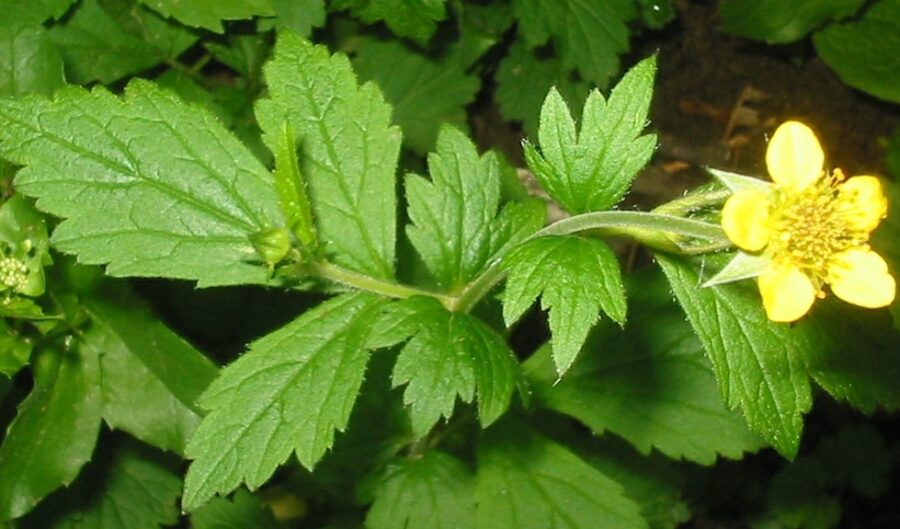
The root of Geum urbanum is one of the traditional medicinal plants that has gained attention from herbalists for its antibacterial, anti-inflammatory, and healing properties. With a slight clove scent and a bitter taste, this plant has been used since ancient times to treat wounds, throat pain, digestive issues, and infections. The most valuable part from a therapeutic perspective is the root, which contains active substances with scientifically proven effects.
Benefits of Geum urbanum root
1. Fights oral and throat infections
The root of Geum urbanum is frequently used for infections of the oral cavity, due to its high content of tannins and eugenol, which have antiseptic action. Tannins create a protective barrier on the mucous membranes, reducing inflammation and stopping bacterial multiplication. Infusions or decoctions used for gargling can alleviate symptoms of pharyngitis, tonsillitis, and stomatitis. Additionally, studies show it has antifungal effects against Candida albicans, making it useful in oral candidiasis. Its repeated use helps soothe pain and accelerates healing.
2. Reduces intestinal inflammation and stomach pain
Due to its tannin content, the root of Geum urbanum has an astringent and anti-inflammatory effect on the gastrointestinal mucosa. It is effective in reducing inflammation in the stomach and intestines, being indicated in cases of gastritis, colitis, and diarrhea. Preparations based on Geum urbanum can help restore intestinal flora after digestive infections or antibiotic treatments. It also alleviates abdominal cramps and helps regulate bowel movements. Administration in the form of decoction is the most recommended for this benefit.
3. Accelerates the healing of wounds and skin infections
Applied externally, the root of Geum urbanum has healing, antibacterial, and anti-inflammatory effects. It can be used in the form of poultices or local washes for eczema, boils, infected wounds, and acne. The active substances contribute to local disinfection and reduce redness and swelling. Due to eugenol (an aromatic compound with antiseptic effects), it is often compared to cloves in its effects on skin affected by bacteria. This property is also useful in intimate hygiene, for local washes in cases of fungal or bacterial infections.
4. Soothes dental pain and gum inflammation
One of the oldest uses of Geum urbanum is in soothing dental pain, thanks to its eugenol content, the same substance used in dentistry as an antiseptic. Concentrated decoction or tincture can be used to soothe inflamed gums or for gargling. This local action reduces inflammation, combats infections, and alleviates discomfort. Regular use can prevent gum bleeding and reduce recurrent inflammation. It is a natural alternative to oral hygiene solutions with alcohol or aggressive substances.
5. Supports liver function and blood detoxification
Geum urbanum has a tonic effect on the liver, helping to eliminate toxins and support liver function. It is recommended in detoxification cures, especially after periods of heavy eating or medication treatments. Tannins and volatile oils stimulate bile secretion, aiding digestion and metabolism. Additionally, it contributes to reducing internal inflammation and balancing the immune system. This effect is enhanced when the root is combined with hepatoprotective plants such as milk thistle or dandelion.
Studies and research
A study published in Journal of Ethnopharmacology (2020) analyzed the chemical composition of Geum urbanum root and confirmed the presence of hydrolyzable tannins, eugenol, and compounds with antimicrobial action. Researchers demonstrated that extracts from the root inhibit the growth of certain gram-positive and gram-negative bacteria, including Staphylococcus aureus and Escherichia coli. These results confirm the popular tradition of using the plant for skin and digestive infections.
Another study conducted in Poland (2018) highlighted the anti-inflammatory and antioxidant effects of Geum urbanum extract on epithelial tissues. In vitro studies showed that the extract reduces cellular oxidative stress, protecting cells from damage caused by chronic inflammation. Additionally, the study demonstrated that the extracts have inhibitory activity on enzymes involved in inflammatory processes, such as COX-2.
In an in vivo study conducted on laboratory animals, a significant reduction in edema and an improvement in skin regeneration were observed following topical administration of Geum urbanum extract. This effect was associated with tannins and polyphenols that have healing and antiseptic action.
Furthermore, other studies support the analgesic effect of eugenol extracted from Geum urbanum, which is comparable to that of cloves in reducing dental pain. German and Austrian herbalists recommend Geum urbanum as an adjunct in stomatitis, gingivitis, and mild urinary infections.
How to use it: recipes
Decoction for gargling and internal use
- 1 tablespoon of dried root to 250 ml of water
- Boil for 10 minutes on low heat
- Let it steep for another 10 minutes, then strain
- Use for gargling 3 times a day in throat inflammation or consume 2 cups a day in cases of intestinal inflammation
Tincture
- 100 g crushed root
- 500 ml of 40% alcohol
- Let it macerate for 14 days, then strain
- Take 15-20 drops 3 times a day, diluted in water
Poultice for skin
- Freshly crushed or boiled root
- Apply directly to the affected area, covering with gauze
- Leave for 20-30 minutes, twice a day, in cases of infections or wounds
Contraindications
- Not recommended during pregnancy and breastfeeding without medical advice
- Contraindicated for individuals with active gastric ulcers (due to irritating tannins)
- May interact with anticoagulant or anti-inflammatory medications
- Should not be administered for longer than 3 weeks without a break
- May cause constipation in high doses due to intense astringent effect
Sources:
- Journal of Ethnopharmacology Phytochemical composition and antimicrobial activity of Geum urbanum root extract
- Planta Medica Anti-inflammatory and antioxidant effects of Geum urbanum root extract in vitro
- ScienceDirect Fitoterapia Tannins in medicinal plants: Pharmacological perspectives
- PubMed Eugenol as a potential therapeutic agent in dentistry: A review
- HerbalGram American Botanical Council: Geum Urbanum Monograph




