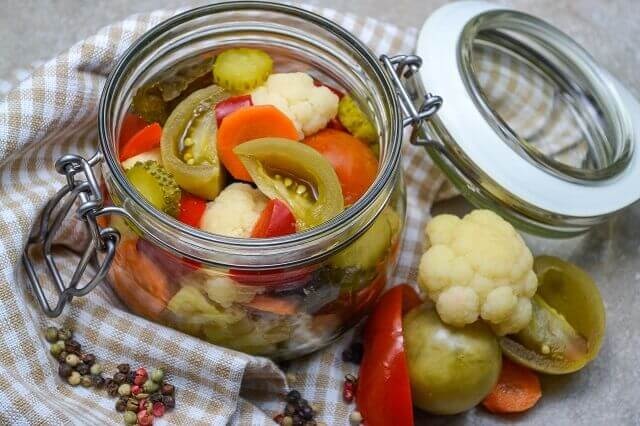
Autumn brings to the Romanians a spectacle of color, aroma, and tradition: pickles. Fermented cabbage, cucumbers, green tomatoes, or cauliflower are not just tasty side dishes, but true biological treasures. Natural fermentation transforms ordinary vegetables into living foods, full of beneficial bacteria, enzymes, and vitamins that support the health of the entire body. Romanian pickles are, in fact, the most accessible natural probiotics—an ancient heritage that supports digestion, immunity, and inner balance.
1. Supports Immunity through Natural Probiotics
The lactic bacteria in pickles, especially Lactobacillus plantarum and Leuconostoc mesenteroides, contribute to strengthening the immune system. These microorganisms stimulate the production of antibodies and maintain a healthy balance between intestinal flora and the defense system. Research shows that natural probiotics increase the body’s ability to respond to viral and bacterial infections, especially in the cold season. Additionally, regular consumption of traditional Romanian pickles helps regenerate the intestinal mucosa, where over 70% of immunity is formed.
2. Balances Digestion and Intestinal Flora
Lactic acid fermentation creates an environment rich in beneficial acids that support digestion. Lactic acid maintains the intestinal pH at an optimal level and inhibits pathogenic bacteria. Pickles act as a natural regulator of transit, being useful both in constipation and in slow digestion. The enzymes produced during fermentation stimulate gastric and pancreatic secretions, aiding in the breakdown of proteins and fats. This process contributes to better absorption of essential nutrients, such as iron, calcium, and B vitamins.
3. Supports Cardiovascular Health
Studies have shown that fermented vegetables can lower bad cholesterol (LDL) and increase good cholesterol (HDL). Short-chain fatty acids produced during fermentation reduce vascular inflammation and improve the elasticity of blood vessels. Fermented cabbage, in particular, contains vitamin K2, essential for transporting calcium to bones rather than arteries. Thus, moderate consumption of pickles can support circulation and heart health without the intake of saturated fats.
4. Contributes to Detoxifying the Body
Through fermentation, pickles become a natural source of enzymes and acids that help the liver and kidneys eliminate toxins. Lactic bacteria break down harmful compounds in food and reduce the absorption of heavy metals. Additionally, pickles stimulate intestinal peristalsis, accelerating the elimination of waste from the body. In an autumn detox, a few tablespoons of cabbage juice can be more effective than many synthetic detox supplements.
5. Regulates Mood and Mental Health
Few know that the intestine is referred to as the second brain. Probiotics in pickles promote the production of serotonin—the happiness hormone. People who frequently consume fermented foods have lower levels of anxiety and stress. This connection between the gut and the brain (the gut-brain axis) is confirmed by recent studies showing that a balanced microbiome supports emotional balance and sleep quality.
6. Supports Metabolism and Weight Control
Traditional pickles have a very low caloric content but are rich in fiber and organic acids that stimulate metabolism. Regular consumption improves insulin sensitivity and reduces sugar cravings. The fiber in fermented vegetables provides lasting satiety, while probiotics promote fat breakdown. Thus, pickles can be an excellent ally in a balanced diet for maintaining optimal weight.
7. Protects Skin Health
A healthy gut reflects in the beauty of the skin. By balancing intestinal flora, pickles reduce systemic inflammation that can cause acne, eczema, and other skin conditions. Vitamin C and natural antioxidants in fermented vegetables support collagen production and combat free radicals. The result is brighter, firmer, and visibly younger skin.
8. Strengthens Bones and Joints
Fermented cabbage contains calcium, magnesium, and vitamin K2—a perfect combination for maintaining bone health. These substances ensure good calcium fixation in the skeletal system and reduce the risk of osteoporosis. Additionally, lactic acids contribute to better absorption of minerals. Regular consumption of pickles can also help with joint pain caused by chronic inflammation.
Scientific Studies and Research
1 Study on the Probiotic Potential of Traditional Fermented Vegetables (University of Bucharest, 2021)
Researchers analyzed samples of Romanian fermented cabbage and cucumbers, discovering strong strains of Lactobacillus plantarum capable of surviving in the acidic environment of the stomach. The study showed that these bacteria can colonize the intestine and stimulate the production of interferon—a protein essential in the fight against infections. After 4 weeks of daily consumption, participants showed a decrease in inflammatory markers and an increase in serum IgA levels, responsible for mucosal immunity.
2 Health-Promoting Properties of Lactic Acid Bacteria in Fermented Foods (European Journal of Nutrition, 2020)
This extensive study confirmed that naturally fermented products, including pickles, contribute to regulating intestinal microbiota and reducing the risk of metabolic diseases. Researchers observed improved digestion, increased iron absorption, and decreased cholesterol levels. Additionally, a positive effect on mood and sleep quality was highlighted through the balancing of the gut-brain axis.
3 Fermented Vegetables and Gut Health: Clinical Insights (Nutrition Research Reviews, 2022)
An analysis of over 40 clinical studies showed that lactic bacteria from vegetable fermentation increase the biodiversity of the intestinal microbiome. This diversity is associated with better immunity, optimal metabolism, and prevention of autoimmune disorders. The authors emphasize that traditional pickles, without additives and preservatives, are among the most effective food sources of natural probiotics.
Contraindications
Although healthy, pickles should be consumed in moderation. People with high blood pressure should avoid very salty varieties. Additionally, those with gastritis, ulcers, or gastroesophageal reflux may experience discomfort due to high acidity. They are not recommended in excess in sodium-free diets or in cases of kidney disease. For children, small portions and less salty varieties are recommended.
Nutritional Table (100 g of Fermented Cabbage)
| Component | Approximate Amount |
|---|---|
| Calories | 25 kcal |
| Proteins | 1.3 g |
| Carbohydrates | 4.3 g |
| Fiber | 2.9 g |
| Fats | 0.1 g |
| Sodium | 661 mg |
| Vitamin C | 21 mg |
| Vitamin K | 13 g |
| Calcium | 35 mg |
| Magnesium | 13 mg |
Sources:
- University of Bucharest – Study on the Probiotic Potential of Traditional Fermented Vegetables
- European Journal of Nutrition – Health-Promoting Properties of Lactic Acid Bacteria in Fermented Foods
- Nutrition Research Reviews – Fermented Vegetables and Gut Health: Clinical Insights




