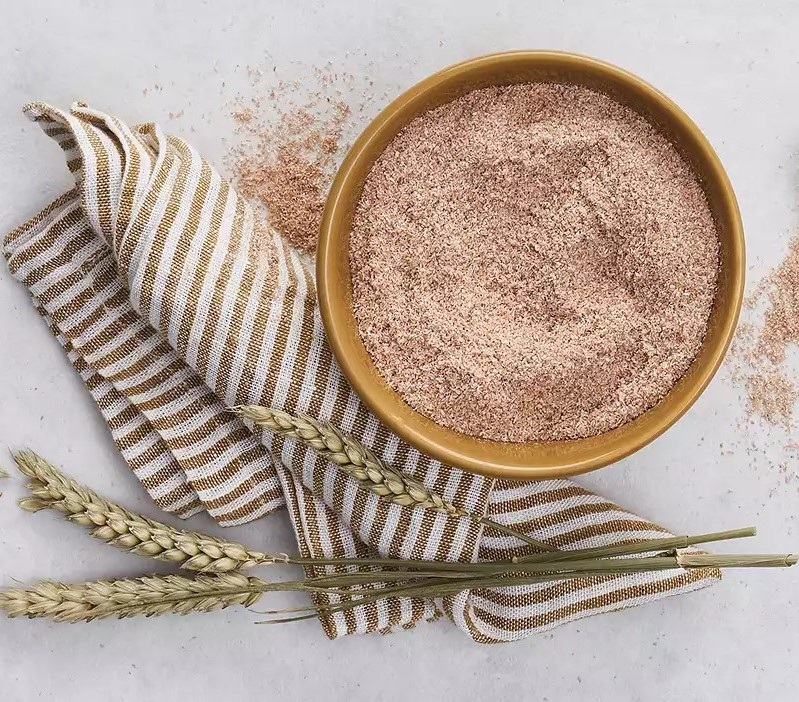
Wheat bran infusion is one of the simplest and most effective natural remedies used for generations to strengthen the body, regulate digestion, and combat fatigue. Rich in fiber, B vitamins, and essential minerals, this traditional drink nourishes the body from within, stimulating energy and restoring the balance of intestinal flora. In ancient times, it was considered a drink for strength, consumed in the morning or during periods of general weakness.
Composition of Wheat Bran
Wheat bran represents the outer layer of the wheat grain, removed during the milling process. It contains an impressive concentration of:
- Dietary fiber (46-50%), which regulates digestion;
- Plant proteins (15-17%);
- B vitamins (B1, B2, B3, B6, B9);
- Minerals: magnesium, zinc, iron, phosphorus, potassium, calcium;
- Antioxidants such as lignans and phytosterols;
- Natural triglycerides and fatty acids essential for cellular energy restoration.
Traditional Recipe for Simple Wheat Bran Infusion
Ingredients:
- 3 tablespoons of wheat bran;
- 500 ml of water;
Preparation:
- Place the bran in a stainless steel or ceramic pot.
- Add cold water and let it simmer for 10-15 minutes on low heat, stirring occasionally.
- Allow it to cool, then strain the liquid.
- Consume warm, plain, or lightly sweetened with honey (after cooling).
Administration:
Drink 1 cup in the morning on an empty stomach for 7-10 days.
Alternative Variants
- With honey and lemon: add 1 tablespoon of honey and a few drops of lemon juice for a pleasant taste and a boost of vitamin C.
- With plant milk: instead of water, use oat or almond milk, ideal for children and those with slow digestion.
- With dried fruits: add raisins or dates during boiling for extra energy and minerals.
Benefits of Wheat Bran Infusion
1. Regulates digestion and intestinal flora
Wheat bran infusion is an excellent source of soluble and insoluble fiber, which stimulates intestinal transit and prevents constipation. The fibers nourish beneficial bacteria in the colon, contributing to the balance of the microbiome. Over time, this effect leads to better nutrient absorption and reduced intestinal inflammation. People with irritable bowel syndrome may notice gradual relief from abdominal discomfort.
2. Boosts energy and vitality
B vitamins, especially B1 (thiamine) and B3 (niacin), play a role in converting carbohydrates into energy. Magnesium and phosphorus in bran support the normal functioning of muscles and the nervous system. Daily consumption of the infusion helps combat chronic fatigue and lack of concentration, providing a natural source of vitality.
3. Protects the stomach
The mucilages formed during boiling have a soothing effect on the gastric mucosa. They act as a protective barrier in cases of gastritis or heartburn. Additionally, they reduce excessive acidity and inflammation of the stomach wall, promoting natural tissue recovery.
4. Contributes to detoxifying the body
The fibers absorb toxins and bad cholesterol (LDL) in the intestines, preventing their reabsorption. Moreover, bran helps eliminate heavy metals and food residues, supporting the liver and kidneys. The infusion has a mild diuretic effect, which aids in the elimination of water and toxins through urine.
5. Regulates blood sugar
Wheat bran infusion lowers the glycemic index of meals by slowing down glucose absorption. Studies show that people who consume bran in the morning have more stable blood sugar levels throughout the day. This effect is particularly beneficial for diabetics and those with insulin resistance.
6. Supports cardiovascular health
The high content of soluble fiber and phytosterols contributes to lowering total cholesterol and protecting blood vessels. Natural antioxidants prevent the oxidation of LDL cholesterol, reducing the risk of plaque formation.
7. Aids in weight control
Bran provides a quick feeling of fullness, reducing appetite and stabilizing metabolism. By regulating digestion and eliminating toxins, the infusion becomes an excellent support for those on a diet.
8. Improves skin appearance
Minerals (zinc, selenium) and B vitamins from bran support skin regeneration and combat oxidative stress. Regular consumption of the infusion hydrates from within and helps reduce wrinkles and eczema.
Studies and Research
A study conducted at the University of Helsinki (2021) analyzed the effects of wheat bran on intestinal microbiota. After 6 weeks of daily consumption, participants showed a significant increase in beneficial bacteria Bifidobacterium and Lactobacillus, associated with better digestion and a stronger immune system.
Another study published in Nutrients Journal (2020) showed that bran reduces systemic inflammation by lowering CRP (C-reactive protein) levels. This explains why people who consume bran have a lower risk of cardiovascular diseases.
Research conducted by Harvard School of Public Health (2019) demonstrated that women who regularly consumed wheat bran had a lower incidence of type 2 diabetes and more effective weight regulation.
External Uses
- Compresses: cooked bran can be applied in a thick layer on painful areas (joints, chest, throat) to soothe inflammation.
- Body baths: 2 cups of infusion added to bath water soothe skin irritations and rashes.
- Facial masks: mix cooked bran with a little yogurt and apply to the face for 15 minutes; the skin becomes soft and clean.
Contraindications
- People with acute colitis, active ulcers, or Crohn’s disease should avoid consumption.
- It may interfere with antidiabetic medications by reducing their absorption.
- In excessive amounts (over 2 cups/day), it may cause bloating or abdominal discomfort.
Nutritional Table (100 g of dried wheat bran)
| Nutrient | Amount |
|---|---|
| Energy | 216 kcal |
| Proteins | 16.4 g |
| Fiber | 43 g |
| Carbohydrates | 64 g |
| Fats | 4.3 g |
| Calcium | 73 mg |
| Iron | 10.5 mg |
| Magnesium | 611 mg |
| Potassium | 1180 mg |
| Zinc | 7.3 mg |
| Vitamin B1 | 0.5 mg |
| Vitamin B3 | 13 mg |




