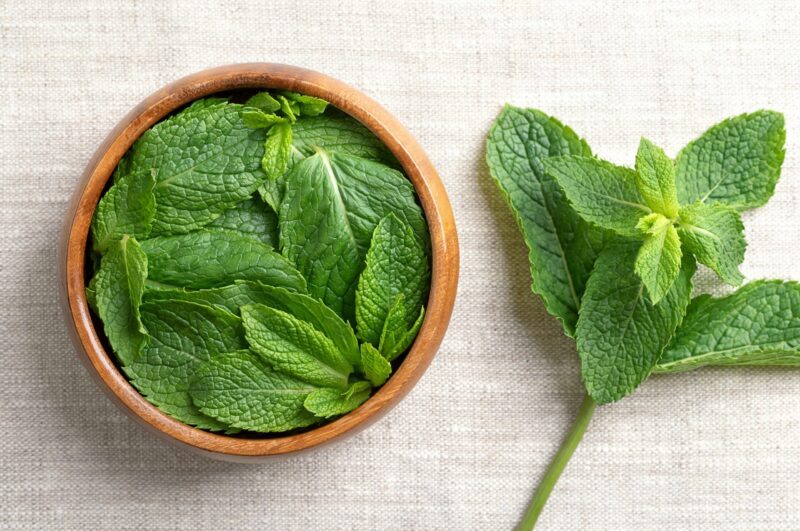
Fresh mint, with its unmistakable aroma and refreshing taste, is more than just a decorative plant in summer drinks. When added to water and consumed consistently for 10 days, mint becomes a true ally for the health of the body. This simple yet extremely effective infusion can have surprising effects on digestion, skin, the nervous system, and more. Discover below how this refreshing infusion works and what studies say about it.
Benefits of Drinking Mint Water for 10 Days
1. Stimulates Digestion and Reduces Bloating
The essential oils in mint leaves have carminative and antispasmodic effects, meaning they reduce intestinal gas and relax the muscles of the digestive tract. Daily consumption of mint water helps regulate digestion, especially after heavy meals. Mint stimulates bile secretion, thus facilitating the digestion of fats. People suffering from irritable bowel syndrome may notice an improvement in symptoms. A study published in Journal of Clinical Gastroenterology (2014) showed that mint can significantly reduce abdominal spasms and pain.
2. Calms the Nervous System and Reduces Stress
Mint has a mild sedative effect on the nervous system due to its menthol content, which acts on GABA receptors. Drinking mint water in the evening helps relax the mind and induces a general sense of well-being. After 10 days of consumption, many people report improved sleep and reduced mild anxiety. Studies show that inhaling or ingesting mint oil has beneficial effects on mood and concentration. In an experiment published in Phytotherapy Research (2018), participants who consumed mint reported a significant reduction in perceived stress levels.
3. Cleanses the Skin from Within
Mint water helps eliminate toxins and has antibacterial effects, contributing to clearer skin. Through its mild diuretic and anti-inflammatory effects, this infusion supports the liver and kidneys in detoxification processes. After 10 days of consumption, many people notice brighter skin with fewer imperfections. Mint contains antioxidants that fight free radicals, protecting the skin from premature aging. According to a study in Journal of Dermatology & Dermatologic Surgery (2016), mint has direct antimicrobial effects on bacteria involved in acne vulgaris.
4. Freshens Breath and Supports Oral Health
Drinking mint water has an antibacterial effect in the oral cavity, helping to eliminate bacteria that cause bad breath. Menthol also acts as a natural decongestant, clearing the throat and sinuses. Additionally, mint can soothe mild gum irritations. Regular consumption helps maintain a balanced oral flora. Studies published in Oral Health & Preventive Dentistry support the efficacy of mint in preventing gingivitis and bacterial plaque.
5. Improves Energy Levels and Mental Alertness
Mint water has a tonic effect on the central nervous system. Its smell and taste activate neural receptors, providing a natural energy boost. After 10 days, many consumers report a state of mental clarity and a slight increase in energy, without the adverse effects associated with coffee. Menthol can enhance cognitive performance, including short-term memory. According to a study conducted at University of Northumbria, participants exposed to mint aroma performed better on memory tests.
Studies and Research
1. The efficacy of peppermint oil in irritable bowel syndrome: a meta-analysis Journal of Clinical Gastroenterology, 2014
This meta-analysis included data from 9 randomized clinical trials, involving over 700 patients diagnosed with irritable bowel syndrome (IBS). The effect of orally administered peppermint oil in enteric-coated capsules was analyzed. Results showed that 75% of patients experienced a significant reduction in abdominal pain, compared to only 38% in the placebo group. Additionally, symptoms such as bloating, constipation, and abdominal discomfort were considerably reduced in the first 2 weeks of treatment. Researchers attributed these effects to menthol’s action on calcium channels in smooth intestinal muscle, reducing spasms. The relevance for drinking mint water lies in the fact that fresh leaves release small amounts of volatile oil in water, with a similar but milder effect, sustained when consumed regularly.
2. Effects of peppermint on cognitive performance University of Northumbria, 2008
The study was conducted on a group of 144 students, divided into three subgroups: some were exposed to mint aroma, others to lavender, and the last group to neutral air (control). Participants underwent standardized tests of memory, reaction speed, and concentration. Those who inhaled the mint aroma scored significantly higher on tasks requiring sustained attention and alertness. They also reported an overall increase in energy and reduced mental fatigue. The study suggests that menthol stimulates the central nervous system by increasing neuronal activity in the frontal cortex. Although the study focused on aromatherapy, ingesting mint-infused water may have similar effects through the gradual absorption of volatile compounds, supporting mental clarity.
3. Antibacterial and antifungal activities of Mentha piperita essential oil Journal of Microbiology Research, 2016
This in vitro study tested the effects of Mentha piperita essential oil on several bacterial strains (including Staphylococcus aureus, E. coli, Pseudomonas aeruginosa) and fungal strains (Candida albicans). The mint oil was applied in different concentrations on culture media, and results showed a strong inhibition of microbial growth, especially against gram-negative bacteria. Its antibacterial activity was attributed to menthol and menthone, which disrupt the cell membranes of microbes. The relevance for mint water is that, although the concentrations in water are lower, regular consumption contributes to maintaining a balanced microbial flora, especially at the oral and digestive levels.
Contraindications and Precautions
- Excessive consumption is not recommended for individuals with gastroesophageal reflux, as mint can relax the lower esophageal sphincter and worsen symptoms.
- People with gallstones should consult a doctor before consuming mint regularly.
- Pregnant or breastfeeding women should avoid frequent consumption due to its mild uterotonic potential.
- It may interact with some anticoagulant or antispasmodic medications.
- In rare cases, it may cause mild allergic reactions, such as skin rashes or headaches.
How to Properly Prepare Mint Water
Ingredients:
5-6 fresh mint leaves
500 ml still or filtered water
(optional) slices of lemon or cucumber for flavor
Preparation Method:
Place the mint leaves in a container with water and let them infuse in the refrigerator for at least 2 hours (ideally overnight). Consume 2-3 times a day, preferably between meals. It can be consumed for 10 consecutive days, followed by a break of 5-7 days.
Sources:
- Journal of Clinical Gastroenterology The efficacy of peppermint oil in IBS
- Phytotherapy Research Peppermint oil in the treatment of tension-type headache
- Journal of Dermatology & Dermatologic Surgery Topical effect of mint extract on acne
- Oral Health & Preventive Dentistry Antibacterial effect of Mentha piperita in oral care
- Journal of Microbiology Research Mentha piperita antibacterial properties
- University of Northumbria Effects of peppermint on cognition




