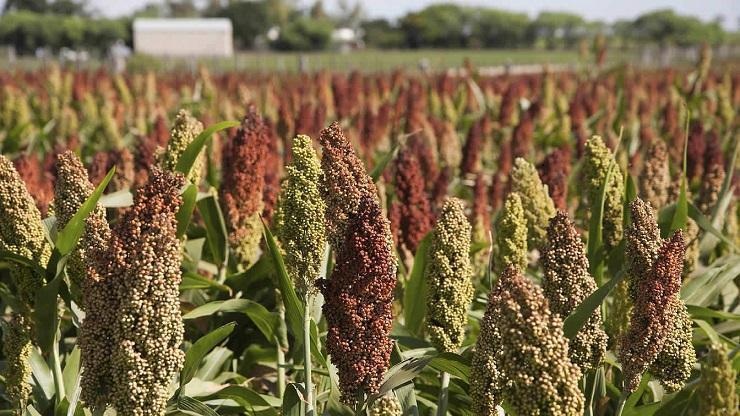
Sorghum (Sorghum bicolor) is an ancient grain cultivated for thousands of years in the warm and arid regions of Africa and Asia, but starting from the 21st century, it has made a remarkable return to the attention of nutritionists. Drought-tolerant, gluten-free, and extremely versatile, sorghum is now used in food, sports nutrition, and even in natural therapies.
Nutritional Composition
Sorghum is rich in:
- high-quality plant proteins;
- both soluble and insoluble fibers;
- antioxidants (ferulic acid, tannins, polyphenols);
- B vitamins (B1, B2, B3, B6);
- minerals such as iron, zinc, magnesium, copper, and phosphorus.
It is also an important source of complex carbohydrates, making it a long-lasting energy source.
Benefits of Sorghum
1. Regulates Blood Sugar and is Ideal for Diabetics
Due to its high fiber content and low glycemic index carbohydrates, sorghum helps maintain stable blood sugar levels. The fibers slow down glucose absorption in the intestine, and the polyphenols in sorghum can positively influence insulin activity.
A study published in Journal of Medicinal Food (2018) showed that sorghum extract reduced blood sugar levels in diabetic rats by over 30%, improving insulin sensitivity and reducing oxidative stress.
2. Supports Digestive Health
The insoluble fibers in sorghum stimulate intestinal peristalsis, reduce constipation, and contribute to the natural detoxification of the colon. Tannins have a mild antibacterial effect, balancing intestinal flora.
Studies have shown that daily consumption of sorghum leads to an increase in short-chain fatty acids (SCFAs) in the intestine, essential substances for regenerating the intestinal mucosa.
3. Helps Control Weight and Prolong Satiety
Sorghum has a low caloric density and a high fiber content, which promotes a feeling of fullness. Additionally, its extracts inhibit enzymes involved in fat deposition.
According to researchers at Purdue University, whole sorghum, consumed instead of white rice, led to a significant reduction in body weight and visceral fat after 12 weeks of a controlled diet.
4. Protects the Heart and Blood Vessels
Sorghum contains antioxidants that reduce systemic inflammation and oxidative stress, two factors involved in the development of atherosclerosis. Ferulic acid and flavonoids support vascular health.
A study conducted in Korea (2021) showed that sorghum extracts reduced LDL cholesterol levels and increased HDL cholesterol levels, lowering the risk of cardiovascular diseases.
5. Is a Gluten-Free Alternative, Ideal for People with Intolerance or Celiac Disease
Sorghum is gluten-free but offers the same nutritional benefits as traditional grains, making it an ideal choice for soups, porridge, baked goods, and even desserts.
The Whole Grains Council recommends sorghum as an excellent substitute for wheat, especially in the diets of children with digestive sensitivities.
6. Supports Immunity and Has Anticancer Potential
Laboratory studies have shown that sorghum extracts can inhibit the growth of cancer cells in the colon, stomach, and skin, due to their polyphenol and flavonoid content.
A study published in Food Chemistry (2020) indicates that tannins in sorghum can induce apoptosis in cancer cells without affecting healthy cells.
How to Consume Sorghum
- Boiled, as a side dish or in salads (similar to rice)
- In the form of porridge (similar to oats)
- Ground, as sorghum flour – ideal for bread, pancakes, cookies
- As sorghum popcorn – a healthy and crunchy snack
- In soups, stews, vegetable burgers
- As puffed sorghum in cereal bars
It is recommended to rinse sorghum before boiling and to boil it for 45-60 minutes or to soak it beforehand for 8 hours.
Contraindications and Precautions
- Sorghum contains tannins in large quantities, which can reduce the absorption of iron and zinc if consumed in excess.
- People with severe anemia or mineral deficiencies should consult a doctor before frequently introducing sorghum into their diet.
- It may interact with iron supplements, so it is advisable to take them at a different time of day.
- Some individuals may have digestive sensitivity to the insoluble fibers in sorghum. Introduction should be gradual.
Sources:
- Journal of Medicinal Food – Anti-diabetic effects of Sorghum bicolor extract
- Food Chemistry – Phenolic compounds in sorghum and their anticancer properties
- Purdue University – Weight loss and gut health benefits of sorghum grain
- Whole Grains Council – Why Sorghum is the next super grain
- Korean Journal of Nutrition – Sorghum extract lowers LDL cholesterol and oxidative stress




