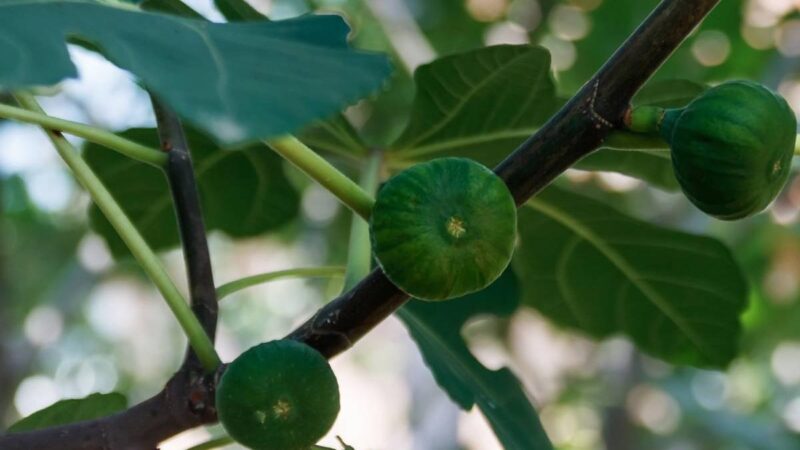
Fig leaves, often overlooked in favor of the fruit, hide remarkable therapeutic power. Rich in bioactive substances, they have been used for thousands of years in traditional Mediterranean and Ayurvedic medicine for regulating blood sugar, treating skin conditions, soothing bronchitis, and supporting liver health. Recent studies confirm many of these effects, providing solid arguments for their reintroduction in modern phytotherapy.
Chemical Composition
Fig leaves contain:
- flavonoids (quercetin, rutin),
- organic acids (gallic acid, ferulic acid),
- coumarins,
- furanocoumarins (psoralen, bergapten),
- proteolytic enzymes,
- volatile oils,
- fiber, mucilage,
- polyphenolic antioxidants.
This composition gives them hypoglycemic, anti-inflammatory, antiviral, emollient, and diuretic properties.
Benefits of Fig Leaves
1. Regulate Blood Sugar and May Reduce Insulin Needs
Several studies have confirmed that fig leaves can lower blood glucose levels. Extracts from the leaves act on the pancreas, stimulating controlled insulin release and reducing glucose absorption at the intestinal level. In a study published in Diabetes Research and Clinical Practice, patients with type 1 diabetes who consumed fig leaf infusion required lower doses of insulin during treatment. This effect is attributed to the synergistic action of flavonoids and coumarins in the leaves. Additionally, bioactive compounds improve cellular sensitivity to insulin, an essential aspect for those with type 2 diabetes.
2. Lower LDL Cholesterol and Support Cardiovascular Health
Fig leaves reduce total cholesterol and LDL (bad cholesterol) levels, according to a study published in Journal of Ethnopharmacology. The effect is attributed to polyphenols and soluble fibers, which capture fats in the intestine and prevent their absorption. Furthermore, extracts have an antioxidant effect on blood vessel walls, preventing the formation of atheromatous plaques. This contributes to a reduced risk of heart attack, hypertension, and stroke. Through a mild vasodilatory effect, the leaves help regulate blood pressure and improve circulation.
3. Treat Skin Conditions: Eczema, Psoriasis, Warts
Fig leaves have emollient, antimicrobial, and healing effects. Fresh juice from the leaves (applied locally) is effective in treating warts, skin lesions caused by eczema, and other skin issues. Psoralens in the leaves are furanocoumarin compounds that act in combination with moderate sun exposure for the regeneration of affected skin. In folk medicine, fig leaves are applied directly to warts or squeezed to extract latex with keratolytic effects. This action is complemented by flavonoids that reduce skin inflammation and soothe itching.
4. Soothes Cough, Bronchitis, and Throat Irritations
Fig leaves have expectorant and anti-inflammatory action on the respiratory tract. Infusion from the leaves soothes dry cough, reduces secretions, and calms irritated throat mucosa. Mucilages act as a protective layer in cases of pharyngitis, laryngitis, or bronchitis. Clinical studies indicate a reduction in the severity of respiratory symptoms after 57 days of regular administration. Additionally, the volatile oils from the leaves have antiseptic effects, being useful in mild respiratory infections.
5. Support Liver Function and Aid in Detoxification
Fig leaves are a hepatic tonic, protecting the liver from oxidative stress and aiding in the elimination of toxins. Animal studies have shown that leaf extract reduces transaminase levels (AST and ALT), suggesting a hepatoprotective action. The leaves stimulate bile flow and contribute to the elimination of accumulated fats and toxins. Through their antioxidant action, they support the regeneration of liver cells. They also aid lipid metabolism and reduce fat accumulation in the liver (hepatic steatosis).
How to Prepare Fig Leaves
1. Simple Infusion (for diabetes, bronchitis, cholesterol)
- Ingredients: 1 tablespoon dried crushed leaves (or one fresh leaf chopped)
- Preparation method: Pour 250 ml of boiling water over the leaves, cover, and let steep for 10-15 minutes.
- Administration: 1-2 cups per day for 2-3 weeks.
2. Decoction (for pulmonary and digestive issues)
- Boil 2 large leaves in a cup of water for 10 minutes, then strain.
- You can add honey and lemon.
- Drink 1 cup/day.
3. Cold Maceration (emollient effect, for irritable bowel)
- Put 1-2 crushed leaves in 250 ml of cold water and let sit overnight.
- Strain in the morning and consume on an empty stomach.
4. External Use (for skin, warts, psoriasis)
- Fresh Juice: crush the leaf and apply the juice to the affected area twice a day.
- Compresses: steamed leaves applied warm to the skin for 15-20 minutes.
- Local Bath: boil 5 large leaves in 2 liters of water, add to bath water for inflamed or irritated skin.
Contraindications and Precautions
- Photosensitivity: Psoralens in the leaves can cause photosensitive reactions. Avoid direct sun exposure immediately after applying the juice to the skin.
- Skin Allergies: Some individuals may develop allergic reactions upon contact with the latex from the leaves.
- Pregnant Women and Young Children: Internal consumption is not recommended without medical advice.
- Drug Interactions: May potentiate the antidiabetic effect of medications. Diabetics should closely monitor blood sugar levels.
- Prolonged Use: Internal use should not exceed 3 weeks without a break.
Sources Used:
- Diabetes Research and Clinical Practice Hypoglycemic activity of Ficus carica leaf extract in patients with type 1 diabetes
- Journal of Ethnopharmacology Effect of Ficus carica leaves on serum triglyceride and cholesterol levels in rats
- International Journal of Dermatology Psoralen compounds in fig leaves: topical application and dermatological effects
- BMC Complementary Medicine and Therapies Antioxidant and hepatoprotective effects of Ficus carica L. leaves
- Phytomedicine Mucilaginous properties of fig leaf extract and its potential in respiratory inflammation




