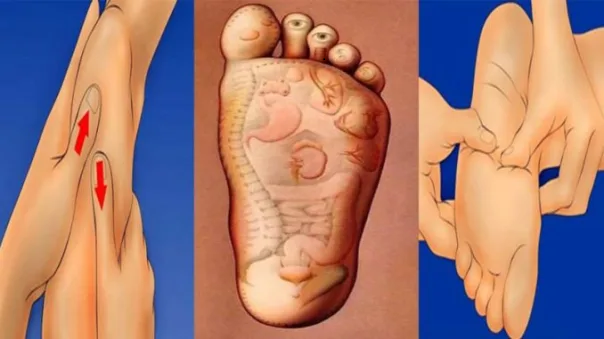
Foot massage is more than just a simple relaxation method; it is a therapeutic art based on the principles of reflexology. According to this therapy, the soles of the feet contain energetic projections of all internal organs and vital systems. Stimulating these reflex points can improve circulation, balance organ functions, and reduce deep stress when applied correctly and with knowledge of the causes.
What are the reflex points in the foot?
The sole of the foot is divided into several zones, each energetically and nervously connected to a specific organ or system in the body:
- Toes correspond to the head and sinuses (brain, nose, eyes, ears).
- Area under the toes (ball of the foot) is associated with the lungs and heart.
- Arch of the foot connects the liver, pancreas, kidneys, and stomach.
- Center of the foot corresponds to the adrenal glands and small intestine.
- Heel is linked to the lumbar area, sciatic nerve, bladder, and reproductive organs.
Reflexology supports that by massaging these points, one can restore the body’s energetic balance and stimulate the self-healing capacity.
Benefits of Foot Massage
Reflexology massage not only has a relaxing effect. Here’s how it actually acts on the body:
1. Stimulating blood circulation
The massage stimulates capillaries and helps with better oxygenation of tissues. Activated reflex points trigger nerve reactions that dilate peripheral blood vessels.
2. Detoxifying the liver and kidneys
By pressing the reflex areas corresponding to these organs, it supports the elimination of toxins and balances the filtering function, especially in cases of water retention or mild inflammation.
3. Improving digestion
Massaging the middle area of the foot (in the arch) can alleviate symptoms such as bloating, constipation, or gastric reflux by stimulating the pancreas, stomach, and intestines.
4. Reducing stress and insomnia
Stimulating the reflex points for the pineal gland, hypothalamus, and adrenal gland (in the center of the foot) helps regulate cortisol and melatonin, inducing a state of calm and promoting restful sleep.
5. Relieving chronic pain
Points related to the spine, shoulders, neck, or joints, when massaged properly, can reduce nerve inflammation and muscle tension.
How to Perform Foot Massage Correctly?
Steps and correct techniques:
1. Preparing the area
Wash your feet and apply a natural oil (lavender, mint, or eucalyptus).
Relax the sole with gentle circular motions for 2-3 minutes.
2. Locating the reflex points
Use a reflexology chart to correctly identify the points.
Apply pressure with your thumb or knuckles, holding for 3-5 seconds on each point.
Movements can be circular, linear, or rhythmic pressing.
3. Duration
10-15 minutes is recommended for each foot. For therapeutic purposes: 2-3 sessions per week.
4. Ending the massage
Conclude with broad, relaxing strokes over the entire sole, followed by a warm compress.
Important Contraindications
Foot massage is generally safe, but there are cases where it should be avoided or applied with caution:
- Pregnancy (in the first trimester)
- Thrombophlebitis, severe varicose veins
- Active infectious diseases (e.g., flu, fever)
- Epilepsy
- Recent surgical interventions
- Uncontrolled diabetes (due to nerve sensitivity)
Consult your doctor before starting reflexology therapies if you suffer from chronic illnesses.




