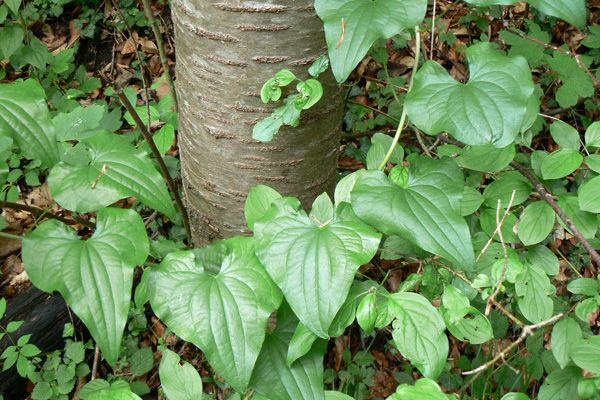
The earth butter (Tamus communis), a plant recognized for its anti-inflammatory and rubefacient effects, has been used for centuries in folk medicine to relieve joint and rheumatic pain. Although the plant is toxic if ingested, external application in the form of an ointment can have remarkable effects if prepared and used correctly. Here, we present an original, effective, and safe recipe, with complete details on preparation, application, benefits, and contraindications.
Necessary Ingredients
200 g fresh earth butter root (well washed and finely chopped)
250 g unsalted lard (or clarified butter; for a vegetarian version, solid coconut oil can be used)
2 tablespoons of beeswax (optional, for consistency)
1 airtight glass jar
1 clean cheesecloth or cloth for filtering
Exact Recipe Step by Step
- Preparing the Root
Wash the earth butter roots thoroughly, removing any damaged parts and chopping them as finely as possible. It is important that the plant is fresh to preserve its active properties. - Melting the Fat
In an enameled pot, melt the lard over very low heat (it should not boil!). If using coconut oil, heat it just until it becomes liquid. - Adding the Plant
Immediately add the chopped root to the warm fat and let it simmer on low heat for 15-20 minutes, stirring occasionally. Be careful not to burn it! The plant should soften, not burn. - Slow Infusion
After turning off the heat, cover the pot and let the mixture macerate overnight (12-24 hours). - Filtering and Reconstituting the Ointment
The next day, gently warm the mixture, then strain it through cheesecloth. If you desire a firmer consistency, add melted beeswax and mix well. - Pouring into Jars
Pour the warm ointment into sterilized glass jars. Allow it to cool and seal tightly. Store in the refrigerator or in a cool place, away from light.
Benefits
Relieves Joint Pain
The irritating compounds in the plant’s root (such as alkaloids and histamine) stimulate local circulation, producing a sensation of warmth and relaxing the muscles and joints. The effect is similar to that of capsaicin-based ointments.
Natural Anti-inflammatory
Recent studies show that extracts from Tamus communis have anti-inflammatory action comparable to some NSAIDs (non-steroidal anti-inflammatory drugs), reducing synovial inflammation and morning stiffness.
Muscle Relaxant
Due to its rubefacient effect, this ointment relieves overstrained muscles, being useful in contractures, lower back pain, or neck pain.
Post-Traumatic Recovery
It is often used as an adjunct in sprains, strains, bruises, or joint pain caused by exertion or cold weather.
Contraindications and Precautions
Do not apply to open wounds, irritated skin, or mucous membranes.
Not to be used by pregnant or breastfeeding women.
May cause allergic reactions. Always test on a small area of skin before use.
Avoid contact with eyes or genital area.
For external use only; do not administer internally!
How to Use
Apply a small amount to the painful area and gently massage, 1-2 times a day.
It can be covered with a linen bandage to retain heat and enhance the effect.
It is recommended to use it in courses of 10-14 days, with breaks.
Sources
-
Planta Medica Traditional uses and pharmacological potential of Tamus communis L.: a review of ethnobotanical evidence and experimental studies
-
Journal of Ethnopharmacology Topical application of Tamus communis extract alleviates joint inflammation in experimental arthritis model
-
Phytotherapy Research In vitro anti-inflammatory effects of Tamus communis root extract on cytokine production in human macrophages
-
Revista Fitoterapia Utilizarea extern a rdcinii de Tamus communis n afeciuni reumatice revizuire a practicilor din medicina popular est-european




