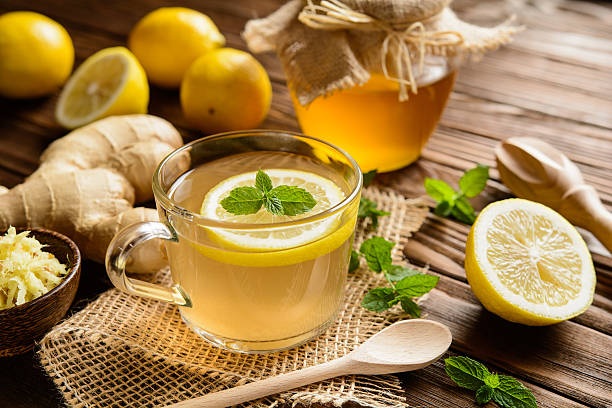
When mint leaves, ginger root, and cinnamon meet in a single cup, the result is not only an explosion of flavors but also a combination with remarkable therapeutic effects. This tea is appreciated for its ability to support blood circulation, warm the body naturally, and improve digestion after hearty meals. In traditional medicine, all three ingredients have been used for centuries, but only in recent decades have modern studies begun to confirm their benefits. Ginger mint tea with cinnamon can be a real ally during cold periods or for individuals facing cold extremities and poor peripheral circulation.
Benefits
1. Stimulates Peripheral Circulation
The combined tea helps to dilate blood vessels, facilitating blood transport to the extremities. Ginger acts as a natural vasodilator, which means it helps to widen blood vessels and increase blood flow. Cinnamon has a thermogenic effect, helping to raise body temperature, which contributes to better tissue irrigation. Mint provides a slight relaxation of the vessels and helps to reduce mildly elevated blood pressure. The combination of these three plants thus synergistically supports circulation, especially in cases of cold hands and feet.
2. Supports Digestion and Combats Bloating
Ginger is known for its carminative properties, helping to eliminate gas from the digestive tract. Mint soothes the stomach, relaxes the smooth muscles of the intestines, and helps reduce spasms. Cinnamon stimulates gastric juices, improving digestion, especially after rich or heavy meals. This combination can be consumed after meals to prevent bloating, heaviness, or a feeling of fullness. Moreover, the tea can reduce digestive discomfort in cases of slow digestion or chronic indigestion.
3. Antioxidant and Anti-inflammatory Effects
All three ingredients are rich in antioxidant compounds: menthol from mint, gingerols from ginger, and cinnamaldehyde from cinnamon. These compounds combat oxidative stress at the cellular level, protecting tissues against premature aging. Ginger and cinnamon reduce chronic inflammation in the body, including those associated with joint pain or cardiovascular conditions. Thus, the tea can be useful for individuals suffering from chronic inflammation, metabolic syndrome, or inflammatory bowel diseases. Additionally, menthol provides a calming effect on the nervous system.
4. Warms the Body in Cold Seasons
Due to the thermogenic effect of ginger and cinnamon, the tea is ideal for cold days or for individuals with poor circulation. It helps to raise internal temperature without overworking the heart or liver. Regular consumption can reduce the feeling of cold in the extremities and stimulate metabolism. The tea is often used as a remedy for the onset of colds, helping the body to fight infections more effectively. Additionally, the mild diuretic effect of mint contributes to the elimination of excess fluids without dehydrating the body.
5. Supports Cardiovascular Health
Recent research shows that ginger and cinnamon can reduce levels of LDL cholesterol and triglycerides. Additionally, ginger has a mild anti-platelet aggregation effect, contributing to the prevention of blood clot formation. Cinnamon can improve insulin sensitivity, which is essential for preventing type 2 diabetes—a major risk factor for cardiovascular diseases. Mint has a mild relaxing effect, which can help in cases of mild hypertension. Regular consumption of this tea can have a protective role on the heart and blood vessels.
Studies
1. Ginger and Blood Circulation
A study published in Thrombosis Research (2015) showed that gingerols—the active compounds in ginger—have vasodilatory and anti-aggregating properties. Researchers demonstrated that supplementation with ginger extract led to reduced blood viscosity and improved blood flow. The effects were particularly observed in patients with metabolic syndrome or increased cardiovascular risk. Ginger contributed to improved tissue oxygenation and reduced systolic blood pressure. The study concludes that ginger can be used as an adjunct in the prevention of thrombosis and peripheral ischemia. Furthermore, the research emphasizes that the effects occur at moderate doses and in the context of regular consumption.
2. Cinnamon and Vascular Health
An article published in Journal of Diabetes Research (2019) analyzed the effects of cinnamon on metabolic and vascular parameters in patients with prediabetes. Daily administration of 3 grams of cinnamon led to decreased levels of glucose, triglycerides, and LDL cholesterol. Additionally, a significant increase in peripheral blood flow and a reduction in arterial stiffness were observed. Researchers explain these effects through the action of cinnamaldehyde on the vascular endothelium. Cinnamon reduces systemic inflammation and may prevent the accumulation of atheromatous plaques. The study confirms its benefits in supporting cardiovascular health, especially in the early stages of metabolic syndrome.
Recipe for Ginger Mint Tea with Cinnamon
Ingredients for 1 cup (250 ml):
- 1 tablespoon dried mint leaves (or 2-3 fresh leaves)
- 1 tablespoon grated ginger root (or 3 thin slices)
- 1 stick of cinnamon (or 1/3 tablespoon ground cinnamon)
- 250 ml hot water
Preparation Method:
- Add ginger and cinnamon to boiling water.
- Let it simmer for 5 minutes on low heat.
- Remove from heat, add mint, and cover the pot.
- Let it steep for 7-10 minutes.
- Strain and consume warm.
A little honey can be added after cooling (optional).
Consumption Method
- For circulation: 1 cup in the morning and one in the evening for 2 weeks.
- For digestion: 1 cup after main meals.
- For colds or immunity: 2-3 cups/day in the first days of symptoms.
- Consumption on an empty stomach is not recommended for individuals sensitive to ginger.
Contraindications
- Pregnant women should avoid excessive consumption of ginger and cinnamon.
- Contraindicated for individuals with active gastric or duodenal ulcers.
- Individuals on anticoagulant treatment should consult a doctor before consumption.
- May interact with diabetes medication (hypoglycemic effect).
- Not recommended for children under 6 years due to the stimulating effect of ginger.
Sources:
- Thrombosis Research Effects of ginger on platelet aggregation and blood flow
- Journal of Diabetes Research Cinnamon intake improves vascular function and metabolic parameters in prediabetic patients




