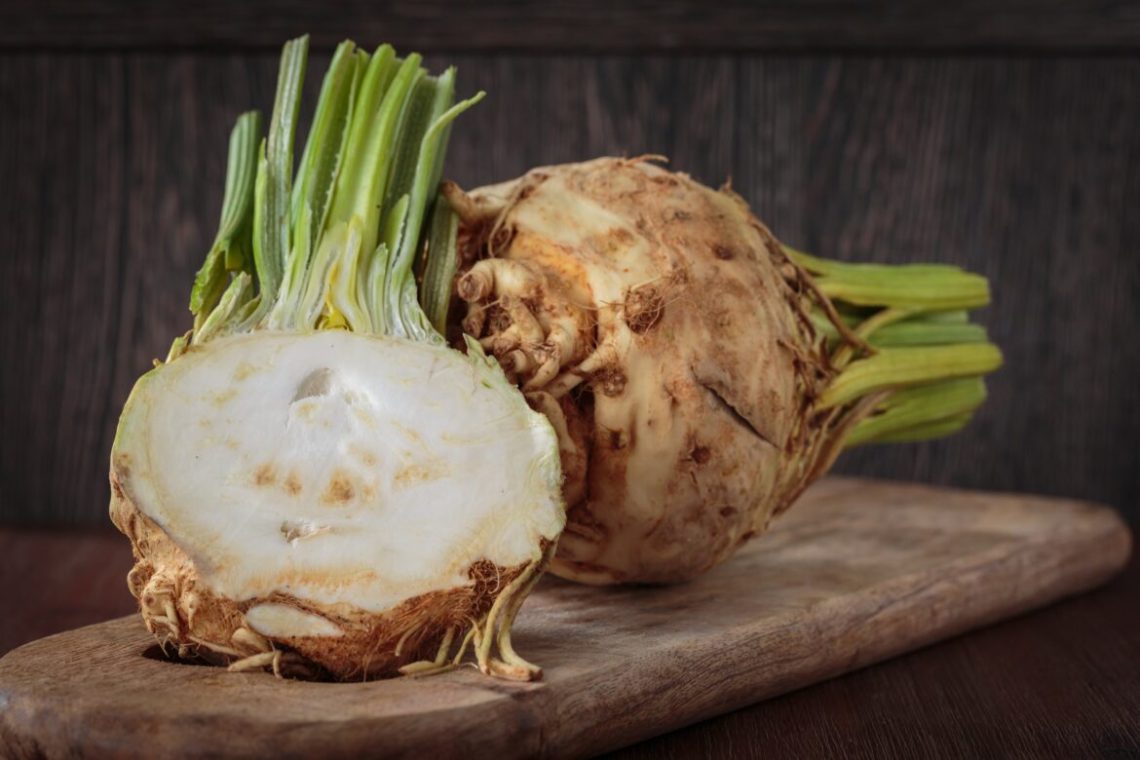
Celery is not just a valued ingredient in soups and broths; its root hides remarkable therapeutic potential. In tincture form, the properties of celery become even more concentrated, providing a powerful ally in supporting kidney function, regulating blood pressure, and combating chronic inflammation. Preparing this extract is simple, and the effects can be observed in a relatively short time, especially when used correctly.
Benefits of Celery Root Tincture
1. Supports kidney function and helps eliminate excess water
Celery tincture acts as a natural diuretic, promoting the elimination of excess fluids through the kidneys. This effect can be extremely useful in cases of water retention, edema, or high blood pressure. By increasing diuresis, it reduces the burden on the heart and aids in detoxifying the body. Additionally, it helps eliminate uric acid, making it beneficial in cases of gout. Regular use can contribute to the prevention of kidney stone formation.
2. Contributes to regulating blood pressure
Celery contains active compounds such as phthalides, which have a vasodilatory effect, relaxing the walls of blood vessels and reducing blood pressure. This action, combined with the diuretic effect, helps lower pressure on the cardiovascular system. Studies have shown that celery extract can reduce blood pressure without severe side effects, unlike some synthetic medications. This effect is especially noticeable in individuals with mild to moderate hypertension. The effects appear after consistent use for at least 2 weeks.
3. Reduces joint and muscle inflammation
Due to its content of antioxidants and natural anti-inflammatory compounds, celery tincture helps alleviate pain caused by arthritis or rheumatism. Studies indicate that celery inhibits certain enzymes involved in inflammation, such as COX-2. Therefore, it can reduce inflammation without affecting the stomach, as synthetic anti-inflammatories do. It is often used as an adjunct in treatments for chronic rheumatism or polyarthritis. Internal application, as well as external (in compresses), can yield visible results.
4. Stimulates digestion and combats bloating
Celery root tincture stimulates digestive secretions and intestinal motility, being useful in cases of slow digestion or frequent bloating. The bitter substances and volatile oils in celery stimulate bile and digestive enzymes. Through this action, the extract also helps with abdominal discomfort caused by rich meals or heavy food combinations. Regular consumption can balance intestinal flora and reduce excessive fermentation. It is also recommended for individuals with hypoacid gastritis or sluggish digestion.
5. Supports nervous system health and reduces stress
Celery contains important minerals such as magnesium, calcium, and potassium, which contribute to balancing the nervous system. The tincture may have a mild sedative effect, reducing anxiety and nervousness. Studies have observed a decrease in cortisol levels (the stress hormone) in individuals who consumed celery extracts. It is a gentle tonic for the nervous system, without the risk of dependence. It can be administered during periods of mental fatigue or in cases of mild insomnia.
Studies and Research on the Therapeutic Effects of Celery
A study published in Journal of Medicinal Food (2013) demonstrated that celery root contains phthalides that have the ability to relax smooth muscles in the walls of blood vessels, thereby reducing blood pressure. Animal tests showed significant decreases in blood pressure after administration of a hydroalcoholic extract of celery.
Another study published in Phytotherapy Research (2015) analyzed the anti-inflammatory effects of apigenin, a flavonoid present in celery. The results showed that this substance reduces levels of TNF-α and interleukin-6, two important markers of chronic inflammation, with significant results in models of induced arthritis in rats.
In the Iranian Journal of Pharmaceutical Research (2011), researchers observed the diuretic effects of Apium graveolens (celery) extract, confirming that the plant increases urinary elimination without significant electrolyte imbalances. This aspect is essential for the safe long-term use of diuretics.
Another article in Evidence-Based Complementary and Alternative Medicine (2020) confirmed the neuroprotective potential of celery extract. The study indicated a significant reduction in oxidative stress in the brains of laboratory animals exposed to chronic stress, due to the antioxidant compounds present in celery root.
Additionally, a review published in Molecules (2019) showed that celery has anticancer potential, due to phenolic compounds and flavonoids that can inhibit the multiplication of tumor cells and induce apoptosis (programmed cell death).
All these studies confirm the traditional uses of celery and support them with solid scientific evidence, making celery root tincture a modern remedy with ancient roots.
How to Prepare Celery Root Tincture
Ingredients:
- 200 g fresh celery root (cleaned and cut into cubes)
- 500 ml food-grade alcohol (40-45%) or high-quality vodka
Preparation Method:
- Place the celery cubes in a dark glass jar.
- Pour the alcohol over them, ensuring they are completely covered.
- Seal the jar tightly and let it macerate for 14 days in a dark, cool place.
- Shake the jar daily.
- After 2 weeks, strain the tincture through cheesecloth and store the resulting liquid in dark glass bottles, protected from light.
Dosage and Administration
- Usual Dose: 30 drops (approx. 1 ml), 2-3 times a day, diluted in a little water, 15-20 minutes before meals.
- Administer in courses of 4 weeks, followed by a 10-day break.
- For diuretic or antihypertensive effects, it is recommended to consume in the morning and at noon.
- In cases of slow digestion, administer before the main meal.
Contraindications and Precautions
- Not recommended during pregnancy, as it may stimulate uterine contractions.
- Avoid use in cases of acute kidney conditions (e.g., renal insufficiency) without medical advice.
- May interact with diuretic or antihypertensive medications; consult a doctor before administration.
- Contraindicated for individuals allergic to celery.
- Not to be administered to children under 12 years old.




