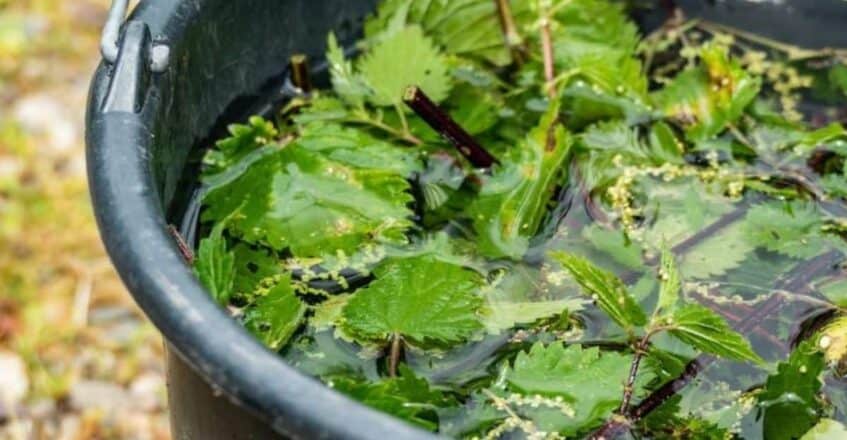
In a world where more and more gardeners choose to abandon chemical substances, nettle macerate is regaining attention as a natural, effective, and inexpensive remedy for healthy gardens. Known since ancient times, this fermented liquid made from nettles is a true green elixir for vegetables, flowers, and fruit trees, possessing remarkable fertilizing and protective properties.
Benefits of Nettle Macerate in the Garden
Natural fertilizer Nettle macerate is rich in nitrogen, iron, potassium, and magnesium, stimulating the vegetative development of plants (large, green, and vigorous leaves).
Stimulates root growth Nettle contains natural auxins, substances that promote the development of the root system.
Immunizes plants The preparation enhances the natural resistance of plants against fungal diseases and pests.
Repels insects It is effective against aphids, mites, and other harmful insects.
Activates beneficial microorganisms in the soil The fermentation in the macerate stimulates the biological life of the soil.
Classic Recipe for Nettle Macerate
Ingredients:
-
1 kg of fresh nettles (without roots)
-
10 liters of water (ideally rainwater or left for 24 hours to evaporate chlorine)
-
A container made of plastic, wood, or ceramic (not metal)
Preparation method:
-
Chop the nettles coarsely and place them in the container.
-
Pour water over them until they are completely covered.
-
Partially cover the vessel (not airtight) to allow gases to escape.
-
Leave to ferment for 7 to 14 days at room temperature (ideally 18-22°C), stirring daily.
-
When it no longer foams and has a specific pungent smell (like ammonia), it is ready.
-
Filter the liquid and store it in closed containers, in a cool and dark place.
How to Use Nettle Macerate Correctly
1. For fertilization (root watering):
Dilute 1:10 (1 liter of macerate to 10 liters of water).
Water the plants at the roots, 1-2 times a month, in the morning or evening.
2. For pest control (spraying on leaves):
Dilute 1:20 (1 liter to 20 liters of water).
Apply with a sprayer, avoiding the hottest hours of the day.
3. As a compost accelerator:
Add 1 liter of macerate to 10 liters of water and water the compost pile.
Plants That Love Nettle Macerate
-
Leafy vegetables: lettuce, spinach, cabbage
-
Tomatoes, peppers, cucumbers (in the early stages of development)
-
Ornamental flowers (roses, lilies, dahlias)
-
Fruit trees (spraying at the base in spring)
Contraindications and Warnings
Do not use on flowering plants or during the fruiting period as excess nitrogen can affect the flavor and development of the fruits.
Do not spray plants in direct sunlight as this may cause leaf burns.
Avoid undiluted use as it can burn the roots.
Do not apply to plants sensitive to nitrogen (onions, garlic, beans).
Sources:
-
Ecological Gardening Magazine, article: The Power of Nettle in the Garden: Between Myth and Reality
-
EcoNews: The Benefits of Nettle Macerate in Agriculture
-
Agricultural Research Institute Fundulea: 2023 Report on Biological Fertilizers




