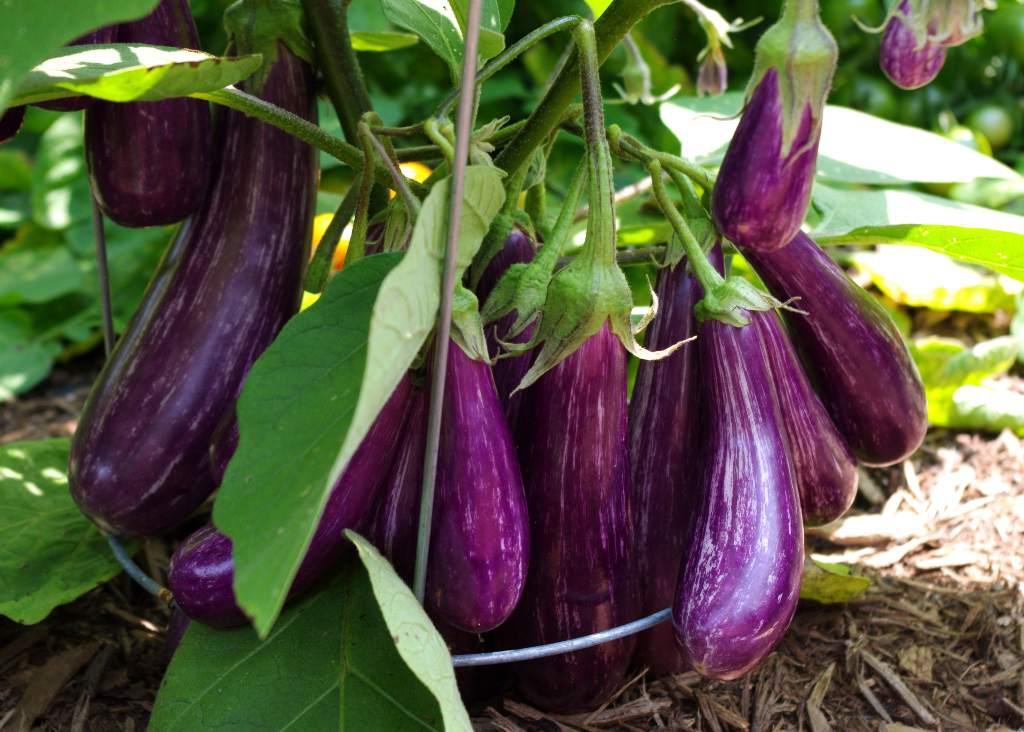
Eggplants are among the most beloved summer vegetables in Romania, but they are also among the most sensitive. When the heat is intense, the plant requires more care to avoid stunting growth, aborting flowers, or producing deformed and bitter fruits. June and July are crucial months when small pests can compromise the entire crop.
1. Proper Watering is Key for Eggplant Growth
Eggplants need a lot of water, but avoid waterlogging. Water regularly, in the early morning or evening, at the base, without wetting the leaves.
During the fruit formation period (June-July), the plant needs approximately 5 liters/week per bush, depending on the soil.
Lack of water leads to hard, bitter fruits or thick-skinned ones.
Tip: Add a layer of mulch (straw, grass clippings, or shredded leaves) to retain moisture and cool the soil.
2. Fertilization: When and With What?
Start fertilizing once every 10-14 days, after the first flowers appear.
Eggplants love potassium and phosphorus, not just nitrogen. A balanced or organic fertilizer (e.g., mature compost, nettle tea, banana peel soak) is ideal.
Too much nitrogen = large leaves, few flowers, soft fruits.
3. Pinching and Pruning: Tricks for a Bountiful Harvest
Pinching the tip (after the plant has 5-6 formed fruits) stimulates fruiting and prevents exhaustion.
Remove small lateral shoots that grow from the base of the stem as they consume energy but do not produce.
If too many flowers appear, remove some of them; the plant cannot support more than 6-8 large fruits simultaneously.
4. Falling Flowers? Causes and Solutions
Flower drop is common during heat waves. Common causes:
Poor pollination due to temperatures >32°C
Lack of boron or potassium
Drought or irregular watering
Excessive shading or overly compact soil
Solutions:
Lightly spray the plants with water in the evening (only during heat waves) to cool the atmosphere.
Use a natural fertilizer with boron (e.g., weak banana peel decoction).
Loosen the soil lightly with a fork or small rake, without disturbing the roots.
5. Protection from Diseases and Pests
The most common summer problems: spider mites, aphids, and eggplant blight.
Preventively spray with:
garlic macerate (against aphids)
horsetail decoction (to strengthen leaves)
infusion of wormwood or nettle for a general repellent effect.
Do not plant eggplants near potatoes as they are from the same family and can transmit diseases (e.g., Alternaria, Phytophthora).
6. When and How to Harvest Eggplants?
Harvest when they have a shiny and firm skin, but before they become hard.
Cut them with a sharp pair of scissors, leaving a piece of the stem.
Do not pull them as the plant is sensitive and can break easily.
Contraindications for Consumption (for Health)
Raw eggplants contain solanine, a toxic compound in large quantities, so they should not be consumed raw.
They can cause bloating or discomfort for people with slow digestion.
They should be avoided by individuals with severe joint problems due to their potential inflammatory effects (according to some sources in traditional medicine).




