Hypothyroidism is a condition in which the thyroid gland produces insufficient thyroid hormones (T3 and T4), leading to a slowdown in metabolism. Symptoms include chronic fatigue, constipation, weight gain, sensitivity to cold, hair loss, and depressive states. While the main treatment is hormonal replacement (levothyroxine), diet plays a fundamental role in supporting thyroid function and reducing symptoms.
General Dietary Principles for Hypothyroidism
-
Nutritional balance is essential: the diet must provide all necessary nutrients for the production and conversion of thyroid hormones.
-
Reducing inflammatory foods such as refined sugar, trans fats, and ultra-processed foods.
-
Avoiding simultaneous consumption of medications and certain foods: calcium, iron, and excess fiber can reduce the absorption of thyroid hormones. It is recommended to have a 4-hour interval between taking medication and meals rich in these nutrients.
Essential Nutrients and Recommended Foods
1. Iodine
It is vital for the synthesis of T3 and T4 hormones. Iodine deficiency can lead to goiter and worsen hypothyroidism.
-
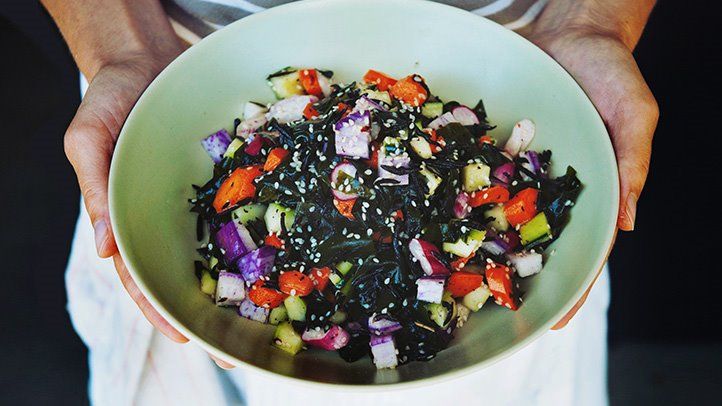
Natural sources: sea fish (cod, salmon), seafood, seaweed (in moderation), eggs, dairy, iodized salt.
Note: Excess iodine can worsen Hashimoto’s disease. Consumption should be moderate and guided by medical tests.
2. Selenium
It is a powerful antioxidant and supports the conversion of T4 to T3.
-
Excellent sources: Brazil nuts (1-2 per day are sufficient), tuna, sardines, eggs, sunflower seeds, mushrooms, whole grains.
3. Zinc
It is directly involved in the synthesis of thyroid hormones and immunity.
-
Natural sources: lean meat (turkey, beef), eggs, seafood (oysters), pumpkin seeds, lentils, nuts.
4. Iron
It helps transport oxygen and contributes to the conversion of thyroid hormones.
-
Good sources: lean red meat, liver, spinach, sesame seeds, legumes.
5. Vitamin D and Omega-3
People with hypothyroidism often have a vitamin D deficiency, which is essential for immune function.
-
Vitamin D: fatty fish, egg yolks, mushrooms, sun exposure.
-
Omega-3: salmon, mackerel, flaxseeds, walnuts, fish oil.
6. Natural Antioxidants and Fiber
-
Colorful vegetables and fruits: spinach, kale, carrots, blueberries, apples, plums, broccoli.
-
Soluble fiber: oats, apples, lentils support digestion and combat constipation, which is frequent in hypothyroidism.
Foods to Avoid or Consume in Moderation
1. Excess Goitrogens
Goitrogens are substances that can interfere with iodine absorption in the thyroid.
-
Sources: cabbage, broccoli, cauliflower, soy, turnips, radishes.
-
Recommendation: consume them cooked and in moderate quantities, especially if you have an iodine deficiency.
2. Soy and Soy Products
They can reduce the absorption of levothyroxine. It is recommended to avoid consumption in the first 4 hours after taking the treatment.
3. Processed Foods and Sugar
They can worsen inflammation and hormonal imbalance. Avoid processed meats, refined sweets, carbonated drinks, and products with hydrogenated fats.
Examples of Thyroid-Friendly Meals
-
Breakfast: oatmeal with flaxseeds, blueberries, and plant-based milk, plus 1 boiled egg
-
Lunch: grilled salmon, quinoa, salad with selenium-rich greens
-
Dinner: creamy lentil soup, sautéed spinach, a slice of whole-grain bread
-
Snacks: Brazil nuts, apples, natural yogurt, pumpkin seeds
Important Contraindications
-
Avoid taking iodine supplements without medical advice.
-
Iron and calcium supplements should not be taken simultaneously with hypothyroidism treatment.
-
Excessive consumption of goitrogenic foods can worsen the condition if not cooked.
-
People with Hashimoto’s disease should avoid gluten in some cases, depending on tests.
A balanced diet rich in essential nutrients such as iodine, selenium, zinc, and vitamin D can help support thyroid health. Diet does not replace medical treatment but can be an important aid in alleviating symptoms and maintaining overall well-being.
Sources:
-
Cleveland Clinic Hypothyroidism: Foods to Eat and Avoid
-
American Thyroid Association Nutrition and Thyroid Health
-
NIH Office of Dietary Supplements Iodine, Selenium and Zinc Fact Sheets
-
Mayo Clinic Hypothyroidism diet: Can certain foods increase thyroid function?
-
Healthline The Best Diet for Hypothyroidism




