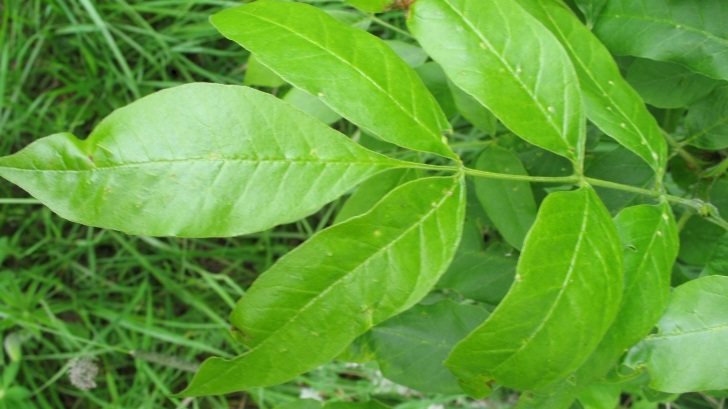
In the deciduous forests of Europe and Asia, the ash tree (Fraxinus excelsior) stands tall as a vigorous and elegant tree. But beyond its beauty, this tree hides a green treasure in its leaves, with powerful detoxifying, anti-inflammatory, and purifying properties.
Benefits of Ash Leaves – How They Work in the Body
1. Blood Detoxification and Lymphatic Drainage
Ash leaves act as a natural purifier, stimulating the elimination of toxins through urine and sweat. They are rich in flavonoids, iridoids, and tannins, which stimulate lymphatic circulation and purify the blood.
A study published in the Journal of Ethnopharmacology (2013) demonstrated the significant diuretic effect of ash leaf infusion, comparable to that of renowned plants such as dandelion.
2. Anti-inflammatory for Joints and Rheumatism
Ash leaves contain fraxin and esculin, active substances with anti-inflammatory and analgesic effects, useful in cases of rheumatism, gout, and arthritis. They reduce inflammation in the joints and help eliminate uric acid.
Research published in Fitoterapia (2007) confirmed the reduction of joint pain in patients with gout after regular consumption of ash leaf infusion.
3. Mild Laxative and Digestive Aid
Ash leaves stimulate intestinal transit due to their content of bitter substances and mucilages, being useful in chronic constipation and bloating. They have a tonic effect on the liver and gallbladder, supporting bile elimination and improving digestion.
4. Effective Diuretic for Edema and Water Retention
Due to their flavonoid content, ash leaves stimulate the elimination of excess water, being useful in cases of edema, swollen feet, high blood pressure, and even mild kidney conditions.
How to Use and Therapeutic Recipes
1. Detoxifying Infusion from Ash Leaves
Ingredients:
- 1 tablespoon of dried ash leaves (crushed)
- 250 ml boiling water
Preparation:
Pour water over the leaves, cover the pot, and let it steep for 10-15 minutes. Strain and drink warm.
Administration:
2-3 cups per day for 10-14 days, for detoxification, edema, joint pain, or gout.
2. Cold Maceration for Kidneys and Lymphatic Circulation
Ingredients:
- 2 tablespoons of dried leaves
- 500 ml cold water
Preparation:
Let it macerate for 8 hours, then strain. Consume throughout the day, between meals.
Ideal for individuals sensitive to hot infusions or with kidney conditions.
3. External Poultices for Joint Pain
Ash leaves can be wrapped and applied warm, covered in gauze, to painful or inflamed joints.
Contraindications and Precautions
- Pregnant women and nursing mothers should avoid internal consumption without medical advice.
- Contraindicated in cases of severe hypotension due to the pronounced diuretic effect.
- May interact with synthetic diuretics, increasing the risk of dehydration.
- Should not be administered for periods longer than 3 weeks without a break.
- Avoid overdose as it may cause gastric irritation or diarrhea.




