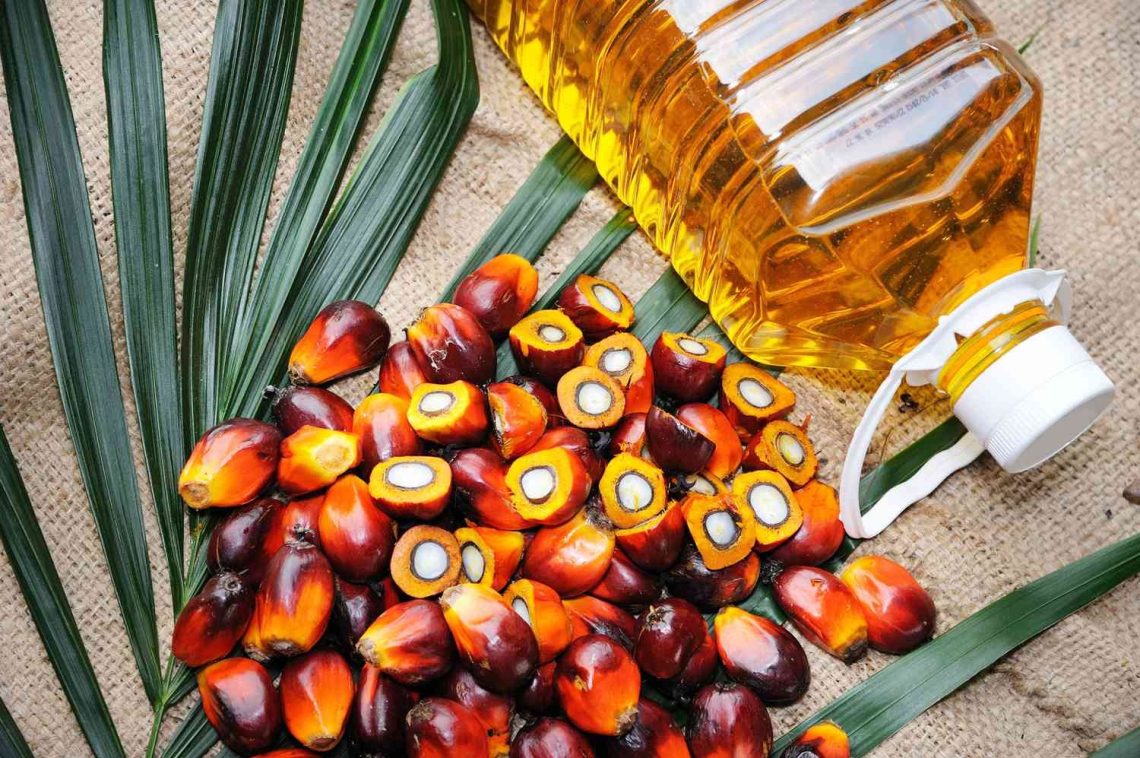
From cookies, margarine, and pastries to cosmetics, spreads, and detergents, palm oil is ubiquitous on supermarket shelves. But few know that behind this seemingly innocuous ingredient lie real health dangers. As one of the most consumed vegetable oils in the world, palm oil raises increasingly serious concerns.
What is Palm Oil?
Palm oil is extracted from the fruit of the oil palm tree (Elaeis guineensis), native to West Africa but now intensively cultivated in Indonesia, Malaysia, and other tropical countries. There are two main forms:
- Crude palm oil – rich in carotenoids, occasionally used in some traditional regions.
- Refined palm oil – the industrial version, processed and hydrogenated, which ends up in most food and cosmetic products.
Health Dangers
1. Excess Saturated Fats
Palm oil is rich in saturated fats (over 50%), making it thermally stable but harmful to the heart with constant consumption. These fats raise LDL cholesterol levels (the bad cholesterol) and promote the formation of atherosclerotic plaques.
A study published in the British Journal of Nutrition (2016) demonstrated that diets high in palm oil significantly increase cardiovascular risk.
2. Carcinogenic Substances from Refining
During the refining process at very high temperatures (over 200°C), palm oil releases 3-MCPD and glycidol – compounds that are potentially carcinogenic, according to EFSA (European Food Safety Authority).
In 2016, EFSA issued an official alert regarding the presence of these contaminants in processed foods containing palm oil.
3. Hormonal and Metabolic Effects
Regular consumption of palm oil has been associated with low-grade inflammation, insulin resistance, and hormonal imbalances.
Animal studies show changes in insulin and leptin receptors after diets high in palm oil, promoting obesity and type 2 diabetes.
Why Do We Find It in So Many Products?
It is Extremely Cheap
The yield is very high (over 4 tons of oil per hectare), making it the most cost-effective vegetable oil for the food and cosmetic industries.
It Has a Stable Texture and Does Not Easily Rancid
Palm oil has no pronounced taste, is stable at high temperatures, and has a solid consistency at room temperature – ideal for processed products, creams, glazes, sauces, chocolate, chips, and margarine.
It is Not Clearly Labeled
On labels, it often appears as:
- vegetable oil
- vegetable fats
- E471, E472 (emulsifiers derived from palm oil)
Thus, consumers do not know that the product contains palm oil, which encourages massive use.
What Alternatives Do We Have?
- Extra virgin olive oil – rich in antioxidants and monounsaturated fats
- Sunflower oil
- Coconut oil (in moderate amounts)
- Avocado oil, flaxseed oil, hemp oil
- Choose products labeled free from palm oil or Palm oil free
Sources
- EFSA assesses potential health risks of substances found in palm oil – European Food Safety Authority
- Palm oil consumption increases LDL cholesterol compared with vegetable oils low in saturated fat – British Journal of Nutrition
- Dietary intake of 3-MCPD and glycidyl esters from refined vegetable oils – Food and Chemical Toxicology
- Palm oil and metabolic syndrome: A review – Nutrition & Metabolism




