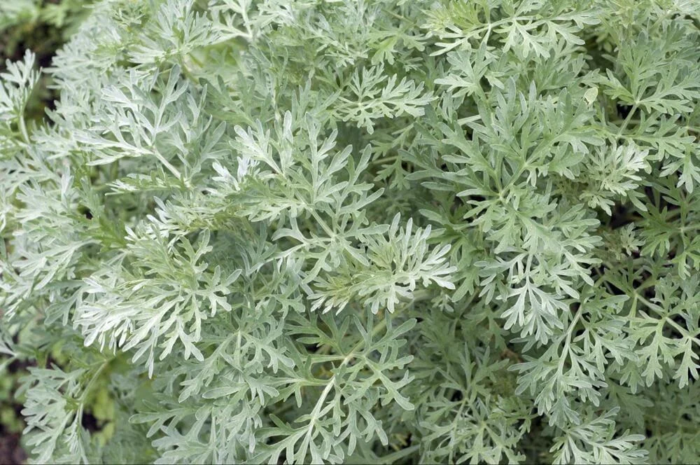
Throughout the centuries, wormwood has been regarded not only as a digestive remedy but also as a protective plant with calming effects on the nervous system. In many regions of Romania and Central Europe, people used to place branches of wormwood under their pillows to sleep peacefully, protecting themselves from bad dreams or evil spirits, as it was said in folklore.
Today, modern research begins to confirm what tradition has known for a long time: wormwood contains compounds that can influence states of anxiety, agitation, and sleep quality.
Chemical Composition of Wormwood:
- Thujone – an active substance that acts on GABA receptors
- Absinthe – with mild sedative effects and digestive stimulants
- Flavonoids, sesquiterpene lactones, volatile oils
- Natural antioxidants and anti-inflammatory compounds
Explained Benefits:
1. Calming Nervous Agitation
The specific scent of wormwood contains essential oils that, when inhaled, can have a mild sedative effect on the nervous system. Studies show that some components (such as thujone and borneol) can act on GABA receptors, which are responsible for regulating anxiety and sleep.
2. Regulating Sleep Through Passive Aromatherapy
Placed under the pillow, wormwood releases aromatic compounds that can induce relaxation. Combined with the tranquility of the night, this ancient method can be a natural alternative for people suffering from mild insomnia or frequent awakenings.
3. Reducing Agitated Dreams and Mental Tension
In traditional medicine, wormwood was considered a plant that clears the mind of heavy thoughts. Today, its effect is explained by its mild sedative action on the cerebral cortex and the reduction of mental overactivity.
What Studies Say:
Study 1:
Evaluation of the CNS Depressant Activity of Artemisia absinthium in Mice Phytotherapy Research, 2010
The research showed that extracts of wormwood have a depressant activity on the central nervous system, reducing anxiety and inducing relaxation in laboratory animals.
Study 2:
Essential oil composition and biological activity of Artemisia absinthium Natural Product Research, 2015
Confirms the presence of volatile compounds with mild sedative action and calming effects on the nervous system.
Study 3:
Traditional Uses of Artemisia Species: A Global Review Journal of Ethnopharmacology, 2017
The study reviews the historical uses of wormwood, including its use in pillows, as an aromatherapy tool, and in calming rituals.
How to Use Wormwood Under the Pillow
Simple Method:
- Take 2-3 branches of dried wormwood (or a sachet with crushed leaves).
- Place it under the pillow or in a corner of the pillowcase.
- It can be kept for up to 7 days, then replaced with fresh plants.
Note: The scent is quite strong and may be too intense for some individuals. It is recommended to test it beforehand to avoid discomfort.
Precautions:
- Not recommended for pregnant women.
- Do not use in excess as it may cause headaches or nausea.
- Avoid direct contact with sensitive skin as some individuals may develop irritations.
Sources:
- Evaluation of the CNS Depressant Activity of Artemisia absinthium in Mice Phytotherapy Research, 2010
- Essential oil composition and biological activity of Artemisia absinthium Natural Product Research, 2015
- Traditional Uses of Artemisia Species: A Global Review Journal of Ethnopharmacology, 2017




