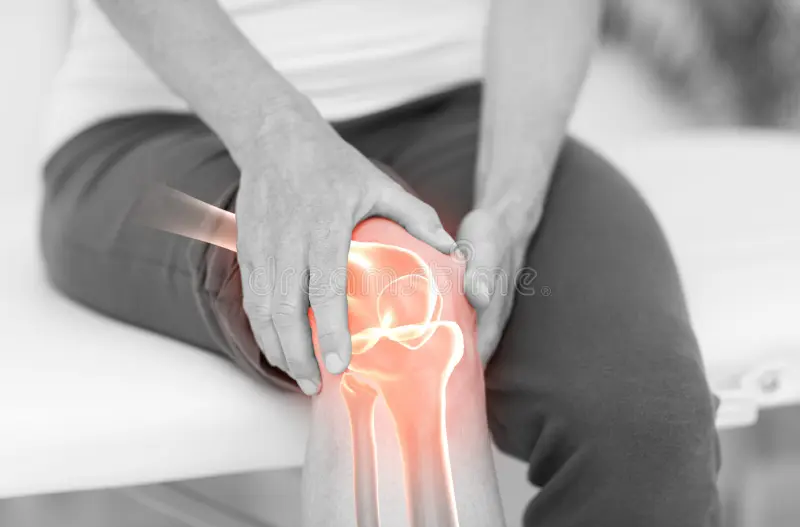
In natural medicine, there are plants that act like green aspirin, capable of reducing inflammation and joint pain. One of the most effective is the cabbage leaf, seemingly ordinary but extremely powerful in treating local inflammation, especially in the knee area. Used for generations, this remedy is now supported by scientific studies. Its simplicity makes it ideal for anyone looking for a natural, quick, and inexpensive method.
What Does Cabbage Leaf Contain?
- Glucosinolates – compounds with anti-inflammatory and detoxifying effects
- Vitamin K – supports tissue health and reduces inflammation
- Vitamin C and antioxidants – combat oxidative stress and support healing
- Volatile oils and enzymes – have a calming effect on rheumatic pain
- Minerals (calcium, potassium, magnesium) – involved in muscle and joint balance
What Do Recent Studies Say?
Journal of Clinical Nursing (2016): Applying cabbage leaves to the knees of patients with osteoarthritis significantly reduced pain and swelling over 4 weeks, comparable to topical anti-inflammatory ointments.
Phytotherapy Research (2018): The effect of cabbage leaves is based on compounds that reduce local inflammation and stimulate lymphatic drainage, thus reducing edema.
Complementary Therapies in Medicine (2020): Cabbage leaf compresses are effective and well-tolerated by older individuals with chronic joint pain.
How Does the Leaf Act on Inflamed Knees?
Extracts excess fluid accumulated in the joint (edema)
Reduces redness and the sensation of local heat
Calms pain and muscle tension
Stimulates local circulation and tissue regeneration
May reduce joint stiffness in chronic conditions
How to Use: Simple Recipe at Home
Compresses with Raw Cabbage Leaves
Ingredients: 2-3 large green cabbage leaves (ideal: curly cabbage)
Application Method:
- Wash the leaves and dry them with a clean towel.
- Gently crush the veins with a rolling pin to release the juice.
- Apply directly to the inflamed knee.
- Cover with plastic wrap and then with a warm bandage or towel.
- Leave to act for 1-2 hours or even overnight.
Repeat daily for 5-7 days or until symptoms improve.
Warm Variant (Faster Effect)
The leaves can be gently warmed in steam or on a radiator (do not use a microwave!).
Apply warm, but not hot – ideal for acute pain flare-ups.
Contraindications and Precautions
Do not apply to open wounds or severely irritated skin
If irritation or local allergic reaction occurs, discontinue immediately
Not recommended as a substitute for prescribed treatments in severe cases of arthritis or joint injuries
Additional Recommendations
For a synergistic effect, combine with a arnica ointment or St. John’s wort oil after removing the leaves
Combine with an anti-inflammatory internal remedy (devil’s claw tea, turmeric, or nettle)
Proper hydration and gentle movement help support the effect




