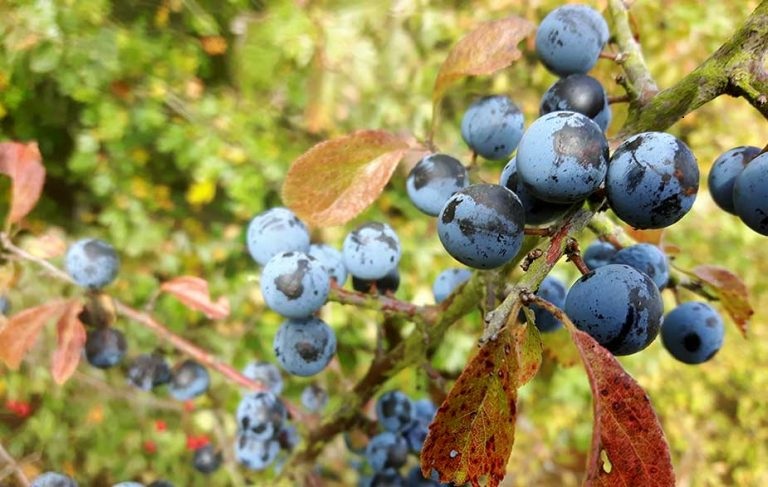
Hidden among the bushes at the edge of forests and country roads, blackthorn (Prunus spinosa) may seem at first glance to be just some bitter and unfriendly fruits. However, behind their astringent taste lies a natural treasure of beneficial substances, used since ancient times for blood purification, immune strengthening, and digestive support. In recent years, modern research has confirmed the therapeutic properties of these wild fruits, turning them into a true superfood from Romania’s spontaneous flora.
Benefits
1. Cleanses the blood and supports the body’s natural detoxification
Blackthorn contains anthocyanins and tannins that promote the elimination of toxins and reduce liver strain. These substances act as powerful antioxidants, neutralizing free radicals and contributing to cell regeneration. Through their mild diuretic effect, they support the kidneys in eliminating excess salts and metabolites. In folk medicine, blackthorn juice was considered a true blood purifier, recommended in spring and autumn. When consumed regularly, it helps the body stay clean, energetic, and balanced.
2. Strengthens the immune system
Rich in vitamin C, flavonoids, and minerals, blackthorn stimulates the immune system and increases resistance to infections. Their polyphenol content activates immune cells and promotes antibody production. Several studies have shown that the antioxidants in blackthorn reduce chronic inflammation that can weaken the body’s natural defenses. Regular consumption during the cold season can decrease the frequency of colds and accelerate recovery. They are a natural ally for the body against viruses and bacteria.
3. Regulates intestinal transit
Blackthorn, especially when dried, has astringent properties that normalize loose stools and soothe the intestinal mucosa. At the same time, moderate amounts of fiber promote digestion and maintain regular transit. In phytotherapy, infusions made from flowers or fruits are used to regulate intestinal activity. These reduce fermentation, bloating, and abdominal discomfort. Thus, blackthorn contributes to healthy digestion and a calm abdomen.
4. Improves circulation and heart health
The flavonoids and anthocyanins in blackthorn help relax blood vessels and lower blood pressure. They also protect the vessel walls against deposits of oxidized cholesterol, reducing the risk of atherosclerosis. Studies have shown that these substances can improve arterial elasticity and microcirculation. Regular consumption supports heart function and maintains balanced blood pressure. The heart directly benefits from this small but remarkable fruit.
5. Contributes to skin health
Blackthorn stimulates the natural production of collagen due to its vitamin C and antioxidant content. As a result, the skin becomes firmer, more radiant, and less prone to premature aging. Extracts from blackthorn are used in some natural creams for their soothing and anti-inflammatory effects. Additionally, internal consumption promotes skin healing from within, reducing impurities and rashes. It is a true natural treatment for beauty.
6. Supports liver health
Through its antioxidant and mild depurative effect, blackthorn protects liver cells against oxidative stress. Consumption in the form of juice or tea promotes the regeneration of the liver affected by fatty foods or medications. Tannins reduce liver inflammation and stimulate filtering functions. In combination with hepatoprotective plants, they can be an excellent adjunct in liver cleansing regimens. Thus, the liver can more easily resume its vital role as the body’s filter.
7. Has antidiabetic effects and balances blood sugar
Recent studies have shown that blackthorn extract can lower blood sugar levels and increase insulin sensitivity. Polyphenols inhibit enzymes that break down carbohydrates, preventing sharp increases in blood sugar. Additionally, the dietary fibers in the pulp slow down glucose absorption. Controlled consumption can be beneficial for individuals with prediabetes or type 2 diabetes. It is a natural support for stable metabolism.
8. Improves overall well-being and energy
Blackthorn contains essential minerals such as iron, magnesium, and potassium, which combat fatigue and support muscle activity. Antioxidants reduce oxidative stress that leads to exhaustion. Through their general tonic effect, these fruits help the body cope better during demanding periods. Moreover, they have a refreshing taste and can be easily integrated into smoothies, juices, or jams. A serving of blackthorn adds a boost of vitality.
Scientific Studies and Research
A study published in Journal of Food Biochemistry (2023) analyzed the chemical composition of blackthorn and confirmed the presence of over 20 bioactive compounds with antioxidant and anti-inflammatory effects. Researchers observed that extracts from blackthorn inhibited the formation of free radicals and protected liver cells against oxidative stress induced by toxins. Another study conducted in Molecules (2022) showed that polyphenols from blackthorn improve insulin sensitivity and can lower blood glucose levels. At the same time, research published in Antioxidants (2021) highlighted the potential of these fruits to prevent cardiovascular diseases by reducing vascular inflammation.
Another group of researchers from Poland discovered that tannins from blackthorn have a significant antibacterial effect against E. coli and Staphylococcus aureus, which explains their traditional use in intestinal infections. In a comparative study, it was demonstrated that the total antioxidant levels in blackthorn exceed those of blueberries and wild blackberries. The results confirmed that these fruits have an exceptional capacity to protect cells from oxidation and degradation. Research continues to evaluate the role of blackthorn extracts in liver protection and lipid metabolism regulation. All these findings support the reputation of blackthorn as a medicinal fruit of nature, with complex and safe action.
Preparation and Consumption
- Blackthorn tea: one tablespoon of dried fruit in 250 ml of boiling water; infuse for 10-15 minutes.
- Fresh juice: obtained by squeezing well-ripened fruits, preferably after the first frost, when the taste becomes sweeter.
- Natural syrup: boil the fruits with honey and store in a cool place; an excellent tonic for winter.
- Tincture: 20 g of fruit in 100 ml of 40% alcohol, macerated for 14 days; administer 20 drops twice a day.
- Jam or preserve: prepared with honey or natural sweeteners, being a tasty source of vitamins.
Contraindications
Blackthorn is not recommended in large quantities for individuals with severe constipation due to its high tannin content. Additionally, excessive consumption is not advised for those with hyperacid gastritis. Raw, unripe fruits can cause abdominal pain and nausea. Pregnant and breastfeeding women should consult a doctor before consuming concentrated blackthorn products. As with any natural remedy, moderation is essential.
Sources
-
Journal of Food Biochemistry Phytochemical profile and antioxidant properties of Prunus spinosa fruits (2023)
-
Molecules Polyphenolic composition and antidiabetic potential of blackthorn (Prunus spinosa) extracts (2022)
-
Antioxidants Cardioprotective and anti-inflammatory potential of wild blackthorn berries (2021)
-
ScienceDirect Tannin-rich plants as natural antibacterial agents: evidence from Prunus spinosa extracts
-
ResearchGate Comparative antioxidant capacity of wild berries from Central Europe
-
Healthline Blackthorn berries: benefits, uses, and nutritional value
-
Medical News Today Wild berries and their impact on blood sugar and liver protection




