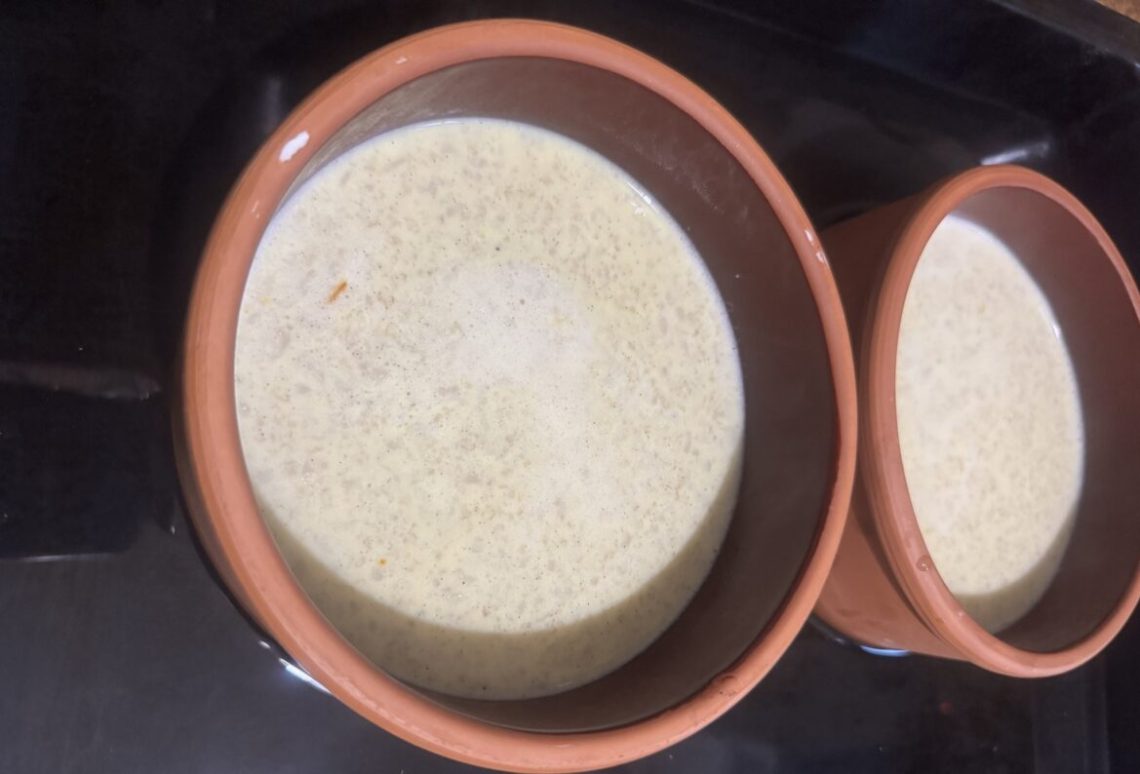
Wheat bran with milk represents a traditional combination that is often overlooked in modern diets. This simple mixture has direct effects on digestion, blood sugar balance, immunity, and body weight. Rich in fiber, B vitamins, calcium, and protein, this remedy acts as a natural detoxifier for the colon and as an efficient fuel for metabolism. Regular consumption of this preparation can reduce sweet cravings, prevent constipation, and support bone health, all with readily available ingredients. Recently rediscovered by researchers and nutritionists, the remedy of wheat bran and milk deserves to be integrated into daily dietary routines.
Benefits of Wheat Bran with Milk
1. Supports Intestinal Transit and Detoxifies the Colon
Wheat bran is rich in insoluble fiber that acts as a natural laxative, stimulating peristalsis and promoting regular elimination. Combined with milk, the fibers become easier to digest and more effective in cleansing the colon. This combination reduces the risk of constipation, gas, and intestinal inflammation. Milk, especially when warm, soothes the digestive mucosa, creating a protective effect. Together, these two ingredients support balanced digestion and reduce the accumulation of toxins.
2. Balances Blood Sugar and Reduces Sweet Cravings
Wheat bran slows the absorption of carbohydrates from food, thus preventing blood sugar spikes that lead to fatigue and food cravings. Milk, being a source of protein and lactose, provides energy with a slow release. By consuming this mixture in the morning, a constant energy level and prolonged satiety are ensured. This reduces the need for snacks high in sugar and helps maintain a balanced diet. The remedy is especially useful for individuals with insulin resistance or at risk of diabetes.
3. Stimulates Metabolism and Contributes to Fat Burning
Wheat bran, especially that from wheat or oats, is rich in B vitamins that support metabolic processes at the cellular level. Milk adds complete proteins necessary for maintaining muscle mass, which promotes calorie burning. Regular consumption of this mixture can accelerate basal metabolism and reduce fat deposits. Additionally, the feeling of satiety helps control portions and reduce caloric intake. Thus, the remedy is ideal for those who want to lose weight in a natural and controlled manner.
4. Soothes the Stomach and Protects the Gastric Mucosa
Milk has soothing properties that protect the stomach walls, while hydrated wheat bran acts gently on the digestive tract. This mixture is useful for individuals suffering from hyperacidity, gastric reflux, or mild gastritis. Wheat bran does not irritate the stomach; on the contrary, it contributes to forming a protective film. Consuming it in the morning on an empty stomach can reduce heartburn and gastric discomfort. It is a natural alternative to antacids, without side effects.
5. Contributes to Bone and Joint Health
Milk is one of the best natural sources of calcium, essential for bone density. Wheat bran complements this action with its content of magnesium, zinc, and phosphorus. Regular consumption can prevent bone demineralization and the risk of osteoporosis, especially in women over 45. Additionally, these minerals support joint function and reduce muscle cramps. The mixture is also beneficial for children, teenagers, or athletes undergoing growth or sustained effort.
Studies and Research
A study published in European Journal of Clinical Nutrition analyzed the effects of wheat bran combined with milk on digestive and metabolic health. The research was conducted on 80 individuals, divided into two groups: one that consumed wheat bran with water and another that consumed wheat bran with milk for 30 days. The group that consumed wheat bran with milk reported a greater improvement in intestinal transit and a significant reduction in digestive symptoms such as bloating, cramps, and constipation. Additionally, an increase in calcium absorption was observed, suggesting that milk enhances the bioavailability of minerals from wheat bran.
Along with digestive benefits, participants in this group had lower postprandial blood sugar levels and a slight reduction in body weight. The study concluded that wheat bran with milk offers a dual benefit: cleansing the colon and supporting metabolism, making it ideal for daily consumption. Furthermore, analyses of intestinal flora showed an increase in beneficial bacteria, indicating a prebiotic effect of the combination. Researchers emphasized that milk acts as a gentle vehicle for fibers, reducing irritation and increasing digestive tolerance. Following the study, it was recommended to introduce wheat bran with milk into daily diets, especially at breakfast.
Preparation and Consumption
Ingredients:
-
12 tablespoons of wheat bran, oat bran, or psyllium
-
200 ml of milk (preferably warm or at room temperature)
Preparation:
-
Heat the milk gently, without boiling it.
-
Add the wheat bran and mix well.
-
Let it soak for 5-10 minutes.
-
Consume in the morning on an empty stomach for 7-14 days.
Optional: You can add cinnamon, honey, or flax seeds for extra flavor and beneficial effects.
Contraindications
-
Individuals with lactose intolerance should use plant-based milk.
-
Not recommended in cases of active ulcerative colitis, diarrhea, or severe irritable bowel syndrome.
-
Excessive consumption may cause bloating or cramps, especially at the beginning of the regimen.
-
Wheat bran may reduce the absorption of certain medications; they should be taken at least 2 hours apart.
-
Pregnant or breastfeeding women should consult a doctor before starting the regimen.
Sources:
-
European Journal of Clinical Nutrition Effects of wheat bran and milk on bowel function and calcium absorption
-
Medical News Today What are the health benefits of wheat bran?
-
Healthline Is Milk Good or Bad for Your Gut Health?
-
Cleveland Clinic Fiber and digestive health: What you need to know
-
Harvard Health Publishing The surprising connection between fiber and bones
-
WebMD Best Breakfasts to Start Your Day Right
-
Mayo Clinic High-fiber foods and how to include them in your diet
-
Nutrition.org Bran, milk, and metabolic health: review of current evidence




