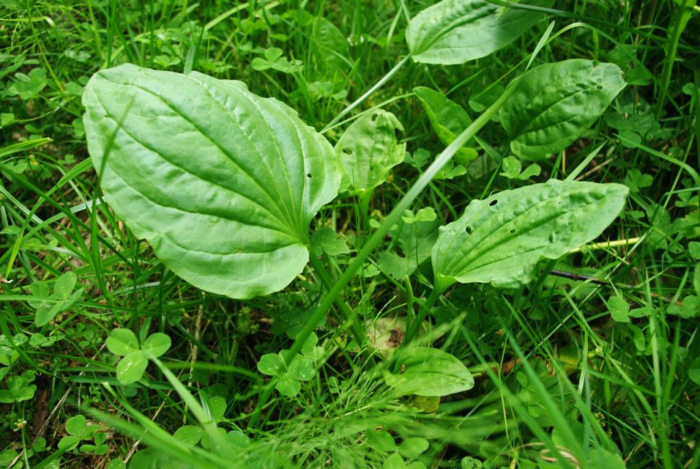
Plantago, the miracle weed by the roadside, with unexpected health benefits
Plantago (Plantago major) is a perennial plant that belongs to the Plantaginaceae family and is widespread in Europe and Asia. It grows in gardens, along roadsides, and in fields.
Although it may be considered a simple weed, what many do not know is that Plantago has multiple health benefits.
Plantago is a versatile plant with numerous health benefits. It is important to use it wisely and consult a specialist before using it in medical treatments.
Plantago: health benefits
The leaves of Plantago (Plantago major) are harvested before and during flowering. They have an astringent and bitter taste. The roots, on the other hand, are harvested in the fall. This plant has various therapeutic properties, including expectorant, diuretic, bronchodilator, anti-inflammatory effects, and many more.
-
- Reducing inflammation: Plantago contains anti-inflammatory compounds, such as flavonoids, terpenoids, and tannins, which can help reduce inflammation in the body.
- Digestive health: The leaves of Plantago are rich in vitamins C, A, K, beta-carotene, calcium, and potassium. Its seeds contain fiber and mucilage, which support digestive health.
- Wound healing: Plantago can be applied externally to help heal superficial wounds. It also has beneficial effects on the skin and can soothe irritations.
- Respiratory system: Consumed as tea, Plantago can help treat colds, flu, and bronchitis.
- Skin health: Due to its anti-inflammatory and antibacterial properties, Plantago can be beneficial for the skin. Extracts of Plantago are used in skincare products to treat irritations, acne, and other dermatological conditions.
What is the chemical composition of Plantago leaves?
The leaves of Plantago (Plantago major) contain a variety of beneficial substances for health. Here are some of the active components of these leaves:
-
-
- Iridoid glycosides: Aucubin and catalpol, which have anti-inflammatory properties.
- Mucilage: Contributes to digestive health.
- Flavonoids: Apigenin and luteolin, with antioxidant effects.
- Tannins: With astringent and anti-inflammatory properties.
- Oleanolic acid: Beneficial for the skin and wound healing.
- Vegetable acids: Contribute to metabolic balance.
- Vitamins A and C: Support immunity.
- Minerals: Zinc, potassium, and iron.
- Phenylethanoid (acteoside): With therapeutic potential.
- Chlorogenic acid: With antioxidant effects.
-
This varied chemical composition makes Plantago a valuable plant for health.
How to prepare Plantago tea
To prepare Plantago tea (Plantago major), you can follow one of the following methods:
1. Infusion:
-
-
- Take 2 tablespoons of dried and crushed Plantago leaves.
- Pour 250 ml of boiling water over them.
- Let it steep for 30 minutes, then strain.
- You can sweeten with honey to taste.
-
2. Decoction:
-
-
- Use 4 tablespoons of dried and crushed Plantago leaves.
- Simmer them on low heat in 500 ml of water for 30 minutes.
- Add water to replace what has evaporated and strain the liquid.
- You can add honey for sweetness.
-
3. Maceration:
-
-
- Pour 250 ml of cold water over 2 tablespoons of dried and crushed leaves.
- Let it steep for 30 minutes at room temperature, then strain.
- You can sweeten with honey.
-
Plantago tea has multiple therapeutic indications, including for cough, respiratory conditions, digestive disorders, and stomach ulcers.




