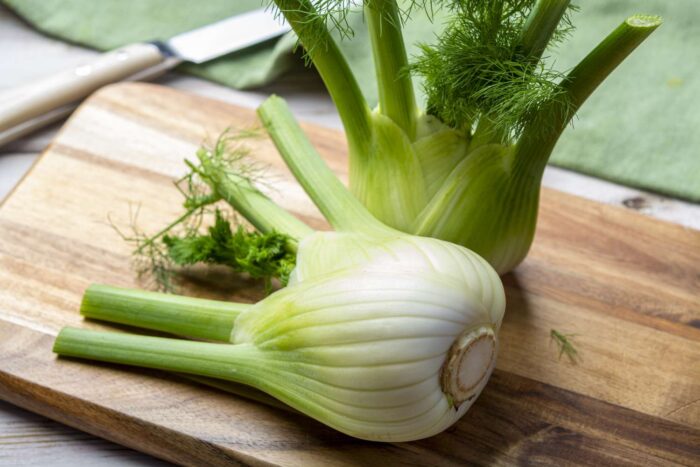
Fennel (Foeniculum vulgare), a perennial plant from the carrot family (Apiaceae), is cultivated for its edible stalks, leaves, and seeds.
Originally from southern Europe and Asia Minor, fennel is grown in temperate regions around the world. All parts of the plant are aromatic and can be used, while the base of the stem, resembling a bulb, from the Florence fennel variety (variety azoricum), as well as the white stalks, are consumed as vegetables.
Fennel: What Does It Taste Like and How to Use It
The seeds and oil extracted from fennel have an aroma and taste similar to that of anise and are used to flavor dishes and perfumes, as well as to season sweets, liqueurs, medicines, and foods, especially in pastries, sweet pickles, and sauces. Fennel is one of the five dried spices, along with cloves, star anise, and Sichuan pepper, that make up the famous Chinese five-spice powder.
Fennel belongs to the carrot family, although it is not a root vegetable. The base of its long stalks intertwines to form a thick, crunchy bulb that grows above the ground. Above the bulb, at the top of the stalks, are thin, feathery leaves that resemble dill. When mature and producing seeds, fennel develops small yellow flowers among the leaves. Every part of this plant is edible, from the bulb to the flowers, and can be consumed raw or cooked.
Although the stalks and leaves are edible, fennel-based recipes most often use the bulbs and seeds. When raw, fennel has a crunchy texture, similar to celery, and a fresh, sweet flavor. When cooked, it caramelizes, developing a sweeter aroma and a tender texture that melts in the mouth.
Fennel has numerous health benefits. It is low in calories but rich in nutrients such as dietary fiber, potassium, and vitamin C, among others.
Health Benefits of Fennel
All parts of fennel are rich in plant compounds with valuable and protective properties. These include chlorogenic acid, limonene, and quercetin. Studies suggest that individuals consuming a diet rich in such compounds have a lower risk of developing chronic conditions such as cardiovascular diseases, obesity, and type II diabetes.
Being a good source of fiber and heart-healthy nutrients like potassium and folic acid, fennel can support heart health. Regular consumption of fennel may help lower blood pressure and manage cholesterol levels.
Fennel contains beta-carotene (which converts to vitamin A in the body) and vitamin C, an essential nutrient for collagen production and tissue repair. These substances play an important role in maintaining the health of the skin and mucous membranes that protect organs, such as the respiratory tract.
Rich in antioxidant nutrients like vitamin C and plant flavonoids such as quercetin, fennel seeds and concentrated extract may help reduce inflammation.
With a low calorie content but full of flavor, fennel is a useful ingredient in a weight management plan. Having a low glycemic index and being high in fiber, it can help moderate the release of sugar into the bloodstream, especially when consumed as part of a main meal.
A compound called anethole, present in fennel, may have appetite-suppressing properties. This suggests that consuming fennel before meals, for example in the form of tea, may help control hunger. However, fennel extract supplements do not seem to have the same effect, and research is still inconclusive.
Fennel is a good source of folic acid, a vitamin necessary for the healthy formation of red blood cells. Increasing the intake of foods rich in folic acid may alleviate symptoms of anemia. Additionally, folic acid is an important nutrient in the diet of pregnant women.
Anecdotal reports, supported by some studies, suggest that the anethole in fennel may improve the quality and quantity of breast milk. This mechanism is believed to be related to the stimulation of prolactin, a hormone that signals the body to produce breast milk.
A study analyzing 10 trials reported that fennel extract supplements may reduce hot flashes, vaginal dryness, and sleep disturbances in menopausal women. However, it should be noted that the studies had small sample sizes and did not account for other factors such as physical activity and nutrition.
Studies suggest that fennel extract inhibits the growth of potentially harmful microbes, including Escherichia coli, Staphylococcus aureus, and Candida albicans.
What to Do with Fennel Seeds
Fennel seeds can be used whole or toasted and ground into a fine powder. They pair particularly well with tomato-based sauces, roasted vegetables, fresh fish dishes, beef, and chicken, but the best combination is with pork.
To release the maximum aroma of the seeds, they should always be toasted before being added to a dish or ground into a powder. The quickest way to toast fennel seeds is in a dry skillet over medium heat, stirring frequently until they become fragrant. After toasting, they can be added whole to food or finely ground into a powder.
Compatible spices with fennel include anise, star anise, dill seeds, nutmeg, cardamom, black pepper, cumin, coriander, cassia, cinnamon, turmeric, cloves, and fenugreek.
Fennel is one of the three main plants used to produce absinthe, a famous alcoholic beverage initially created as a medicinal elixir that became popular in Europe in the late 19th century.
Fennel is frequently used to flavor digestive spirits, especially in Scandinavian distilled spirits like aquavit. It is infused in various Italian digestive liqueurs, the most well-known being Sambuca. In combination with anise, fennel is immediately recognizable in the classic French Pastis (Pernod).




