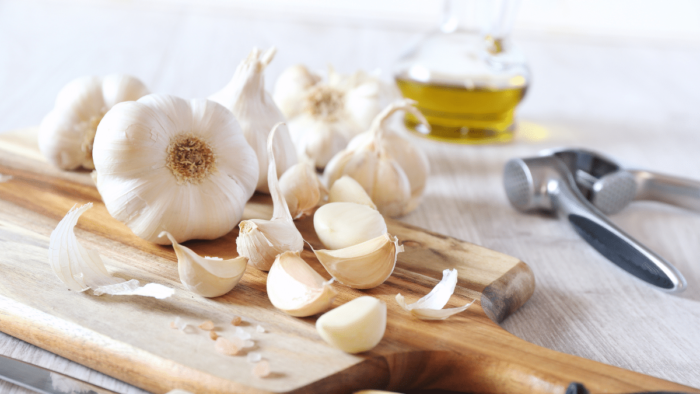
Garlic is undoubtedly one of the oldest and most widely used ingredients in traditional medicine, recognized not only for its unmistakable taste but also for its numerous health benefits. Throughout history, garlic has been considered a true miracle of nature, having the reputation of being a genuine antidote for a wide range of ailments, from infections and colds to more serious health issues. But how true is this? Can garlic really be a universal antidote for all diseases on Earth?
1. Garlic and its miraculous properties
Garlic contains a series of bioactive compounds that give it powerful therapeutic properties. The most well-known of these is allicin, a sulfur compound that forms when garlic is chopped or crushed. Allicin is responsible for many of garlic’s beneficial effects, having antibacterial, antiviral, antifungal, and anti-inflammatory properties.
Scientific studies have shown that garlic can help combat dangerous bacteria, reduce the risk of infections, and lower cholesterol and blood pressure levels, thus protecting the cardiovascular system.
2. The health benefits of garlic
Immune system: Garlic is a natural immune booster, stimulating the production of white blood cells that fight infections. Additionally, regular consumption of garlic can reduce the risk of colds and flu due to its antiviral and antibacterial properties.
Cholesterol and heart health: Studies have shown that garlic can help lower levels of LDL cholesterol (the bad cholesterol) and triglycerides, which reduces the risk of cardiovascular diseases. It also has beneficial effects on blood vessels, helping to dilate them and improve blood circulation.
Anti-cancer: Some researchers suggest that garlic may play a role in preventing certain types of cancer due to its antioxidants and sulfur compounds. Although there is no conclusive evidence that garlic can cure cancer, some studies suggest it may reduce the risk of developing it.
Diabetes: Consuming garlic may help regulate blood sugar levels. It can also improve insulin sensitivity, making it an ally in managing type 2 diabetes.
3. Garlic and respiratory diseases
Another area where garlic proves to be a true remedy is in the treatment of respiratory conditions. Due to its antibacterial and antiviral properties, garlic is effective in combating colds and respiratory infections. It can be used in the form of an infusion, combined with honey and lemon, to help soothe coughs and sore throats.
4. Risks and contraindications of garlic consumption
Although garlic is an extremely beneficial food, its consumption is not recommended in large quantities for everyone. People with stomach issues, such as gastric acidity or ulcers, should be cautious about the amount of garlic they consume. Additionally, garlic can interact with certain medications, such as anticoagulants, so it is important to consult a doctor before including it in your daily diet, especially if you are taking prescribed medications.




