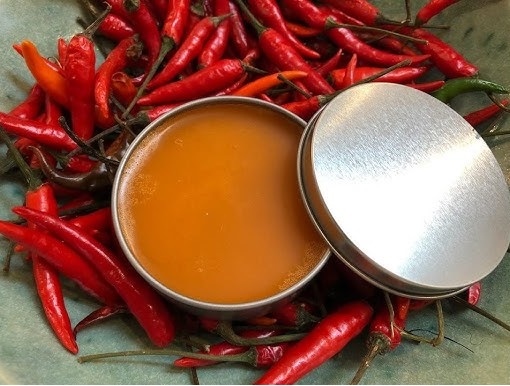
Spicy pepper, or hot pepper, is an ingredient with multiple uses, both in cooking and in skin care. Homemade spicy pepper cream is a natural remedy that can address a range of health issues, from muscle and joint pain to improving circulation and skin treatments. In this article, we will discuss the benefits of this cream and how to prepare it at home.
1. Benefits of Spicy Pepper Cream
Spicy pepper contains capsaicin, an active compound responsible for the heat sensation it produces. It has a number of beneficial effects on health, and spicy pepper cream can be used to harness these properties in a concentrated and effective way:
a. Reducing muscle and joint pain
Capsaicin has anti-inflammatory and analgesic properties, being effective in reducing muscle, back, or joint pain. Applying spicy pepper cream to painful areas can help alleviate pain by stimulating blood circulation and reducing inflammation.
b. Improving circulation
Spicy pepper is known for its ability to stimulate blood flow. When applied locally, spicy pepper cream can contribute to improving circulation, being beneficial in cases of cold feet, muscle fatigue, or even in cases of cellulite.
c. Antioxidant and antimicrobial properties
Spicy pepper is a source of vitamins A and C, which are powerful antioxidants that help combat free radicals and protect the skin from the harmful effects of the environment. Additionally, hot pepper has antimicrobial effects, helping to prevent infections when applied to the skin.
d. Alleviating nasal congestion symptoms
Spicy pepper cream can also be used to relieve nasal congestion or colds. Capsaicin helps open the airways and eliminate mucus, making it an effective remedy during the cold season.
2. How to Prepare Spicy Pepper Cream at Home
Spicy pepper cream is easy to prepare at home and does not require complicated ingredients. Here is a simple recipe:
Ingredients:
1-2 hot peppers (depending on the desired intensity)
50-100 ml olive oil or coconut oil (for a more moisturizing texture)
1-2 tablespoons of beeswax (optional, to achieve a thicker consistency)
1-2 tablespoons of peppermint essential oil (for a cooling effect, optional)
1 tablespoon of turmeric powder (for additional anti-inflammatory properties, optional)
Preparation Method:
1. Prepare the peppers: Chop the hot peppers into small pieces. If you want a less spicy cream, you can remove the seeds from the peppers. It is recommended to wear gloves when handling peppers to avoid contact with the eyes or sensitive skin.
2. Oil infusion: In a jar or glass container, add the olive oil (or coconut oil) and the chopped peppers. Close the jar and place it in a warm spot for 2-3 weeks. Shake the jar occasionally to help release the capsaicin into the oil.
3. Strain the oil: After 2-3 weeks, strain the oil through a fine sieve or cheesecloth to remove the pepper pieces. This will contain the active capsaicin that will provide the desired effect.
4. The cream itself: If you want a cream with a thicker consistency, add the beeswax to the infused oil and melt the mixture in a double boiler. Stir until the beeswax is completely melted, then let it cool.
5. Adding other ingredients: You can also add essential peppermint oils for a cooling effect or turmeric powder for an extra boost of anti-inflammatory properties. Mix well and let the cream cool completely.
6. Storing the cream: Transfer the cream to a clean container and seal it tightly. The cream can be stored at room temperature or in a cool place for several months.
3. How to Use Spicy Pepper Cream
Spicy pepper cream can be used for various purposes, depending on your needs:
a. For muscle and joint pain:
Apply a small amount of cream to the areas affected by pain and massage gently. Avoid contact with the eyes and sensitive areas of the skin. The warming effect will help relax the muscles and alleviate pain.
b. For improving circulation:
You can apply the cream to your thighs or legs to stimulate circulation and combat muscle fatigue. It is recommended to apply it before a massage or after a warm bath.
c. For nasal congestion:
Apply a small amount of cream to the chest or throat area and massage gently. Capsaicin will help open the airways, having a decongestant effect.
d. For skin:
If you have dry or irritated skin, spicy pepper cream can help due to its antioxidant and antimicrobial properties. Start by applying a small amount to a small area of skin to observe any allergic reactions.
4. Precautions and Recommendations
Skin testing: Before applying the cream to large areas of the body, it is recommended to perform a sensitivity test on a small area of skin (for example, on the forearm) to check for any allergic reactions.
Avoid contact with eyes: Spicy pepper cream can irritate the eyes and mucous membranes very strongly. After applying the cream, make sure to wash your hands thoroughly.
People with sensitive skin: If you have sensitive skin or dermatological conditions, it is better to avoid using spicy pepper cream, as capsaicin can cause irritation.
5. Conclusion
Spicy pepper cream is a natural remedy with multiple health benefits, from alleviating muscle and joint pain to improving circulation and combating nasal congestion. Preparing it at home is simple and effective, and the natural ingredients used are safe and accessible. However, it is important to use it with caution and always test for skin reactions to avoid irritation.




