Article based on scientific studies
Berberine has been used for many years in China for gastrointestinal infections. In 1988, it was used to treat diarrhea in diabetics. It was then discovered that the plant produces a notable decrease in blood sugar levels.
Subsequently, berberine began to be prescribed as an anti-hyperglycemic agent by several Chinese doctors.
Berberine lowers blood sugar and insulin resistance as effectively as Metformin in diabetics: Joost J. Bakker IJmuiden
Contents
What is berberine?
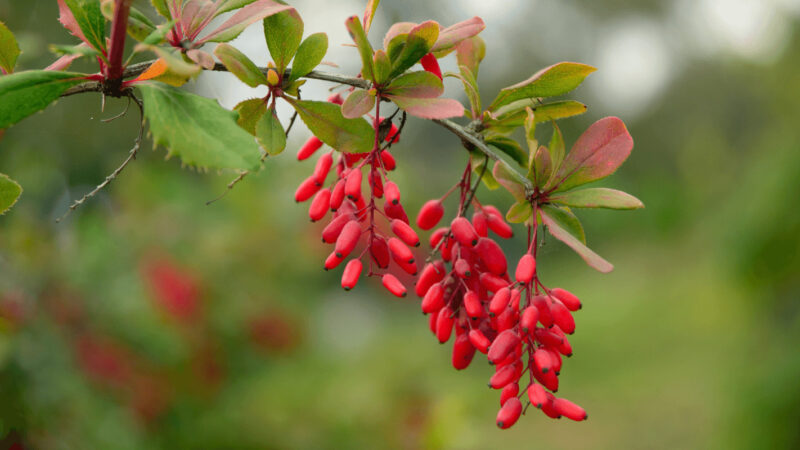
Berberine is a compound found in the roots of certain plants from the Berberidaceae family, such as barberry (Berberis vulgaris), Oregon grape (Mahonia aquifolium), Goldenseal, or California poppy.
Berberine extract is available in health food stores in capsule form. Several clinical studies conducted by Chinese researchers have confirmed the antidiabetic action of this compound.
Antidiabetic effects of berberine
Berberine and its constituents could represent a new class of antidiabetic medications, as they have a different chemical structure compared to other hypoglycemic agents.
Researchers believe that it acts against diabetes by increasing insulin sensitivity.
Berberine lowers blood glucose and glycated hemoglobin
A pilot study published in the journal Metabolism showed that berberine is as effective as Metformin in reducing blood glucose levels in diabetic patients.
The treatment lasted 3 months and consisted of administering 500 mg of berberine three times a day.
Both Metformin and berberine improved glycemic parameters (HbA1c, fasting glucose, and postprandial glucose).
Berberine reduced glycated hemoglobin (A1c) as effectively as Metformin. Berberine decreased HbA1c from 9.5% to 7.5%, while Metformin reduced it from 9.1% to 7.7%.
Unlike Metformin, berberine produced beneficial effects on lipid metabolism. It significantly reduced triglycerides and total cholesterol in the blood.
Side effects associated with berberine consumption (diarrhea, constipation, flatulence, abdominal pain) occurred only in the first 4 weeks of treatment.
24% of patients needed to reduce the dose of berberine due to gastrointestinal issues. The authors concluded that doses of 0.3 g three times a day are well tolerated.
Another study showed that berberine decreased glycated hemoglobin from 8.1% to 7.35%, proving to be an effective natural alternative to Metformin.
Reduces cholesterol and triglycerides
According to a more recent study published in 2022 in the journal Molecules, berberine is a useful supplement for combating metabolic syndrome.
It helps prevent type 2 diabetes, obesity, cardiovascular complications, atherosclerosis, and cancer.
In addition to its hypoglycemic and hypolipidemic effects, berberine reduces insulin resistance, inhibits gluconeogenesis and adipogenesis in the liver.
By improving insulin secretion, berberine also positively affects ovulation.
It also has neuroprotective and antidepressant effects.




