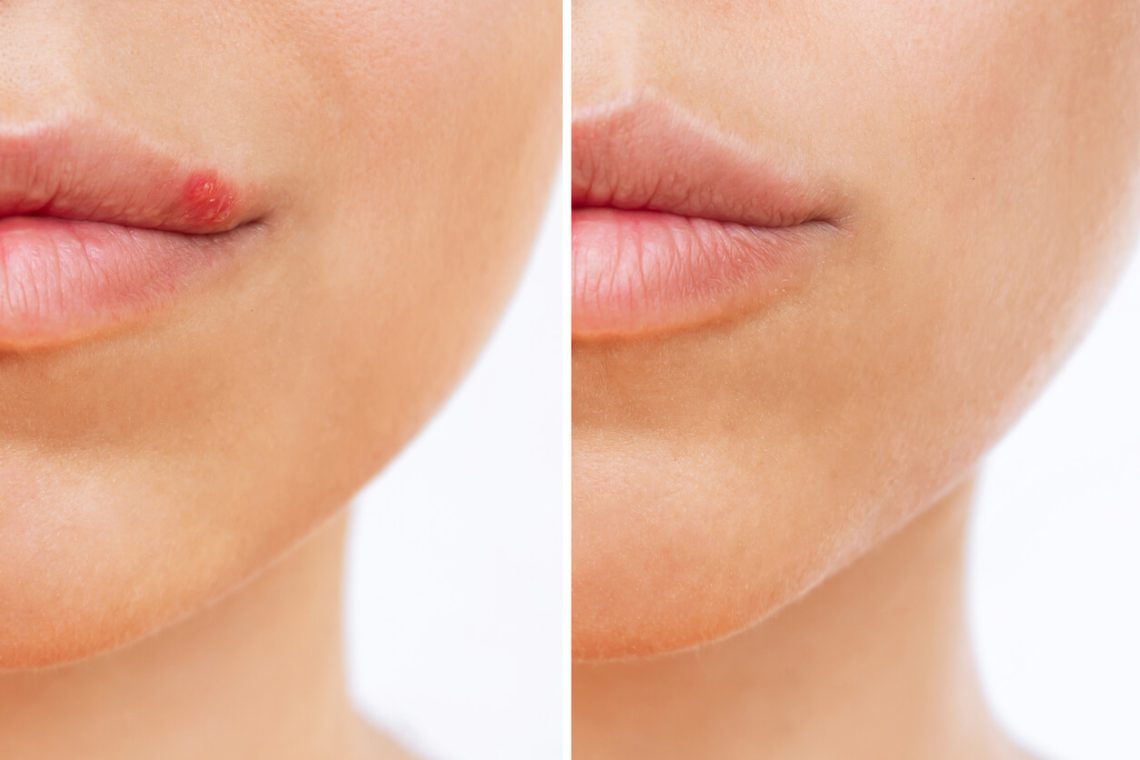
Herpes is a viral infection caused by the herpes simplex virus (HSV). Almost everyone has contracted herpes simplex at least once in their life, given that herpes viruses have adapted extremely well to humans.
Herpes viruses include over 200 known subtypes, of which nine are specific to humans.
This type of virus can cause serious complications, such as cervical cancer, along with unpleasant symptoms, as well as chickenpox, shingles, or infectious mononucleosis. Additionally, herpes viruses may also be associated with the development of multiple sclerosis and various types of cancer.
When it comes to herpes, many people first think of the small sores caused by herpes simplex virus type 1 (HSV-1), while type 2 (HSV-2) is responsible for blisters in the genital area.
Although there is currently no known cure for herpes, there are several approaches to managing and alleviating its symptoms.
Hygiene
Practicing good personal hygiene is essential for managing herpes. Wash your hands frequently to avoid spreading the virus to other parts of your body or to other people. Avoid touching the affected areas and keep them clean and dry to aid in healing.
Healthy Lifestyle
Maintaining a strong immune system is important for combating the virus’s attack on the body. Adopt a healthy lifestyle by eating a balanced diet, exercising regularly, and getting enough sleep. Reduce stress levels through relaxation techniques such as meditation or yoga, as stress can trigger herpes outbreaks.
Identify and avoid the triggers that cause herpes flare-ups. Common triggers include stress, fatigue, illness, sun exposure, and certain foods. By recognizing these triggers, you can take measures to minimize their impact on your condition.
Oral herpes usually appears on the lips. In the initial phase, it causes a slight pain upon touch, which develops very quickly. Within just ten hours, a skin eruption can be observed. It is accompanied by pain, discomfort, and itching. What can be done to quickly get rid of the problem? It turns out that home remedies can help.
Aloe Vera, the Miracle Plant
One of the most well-known ways to combat herpes is by using aloe vera. If you grow it at home as a potted plant, you need to take a leaf, break it, and extract a little pulp from its center. Then, rub it well on the affected area.
Prepared gels with aloe vera that can be purchased from pharmacies are also excellent. It should be noted, however, that the aloe vera in their composition must be at least 95%.
Additionally, honey, a product with antibacterial effects, can be used on the affected area. It will be perfect in the fight against recurrent herpes. The trick is to rub some honey on the affected area. This will limit the further spread of inflammation.
Garlic and Onion in the Fight Against Herpes
Pain caused by herpes can be quickly alleviated with the help of garlic or onion. All you need to do is place a clove of garlic or a piece of onion cut in half on the affected area and leave it for a few minutes. Homemade onion syrup can also work wonders and can be applied with a cotton ball or a swab to the inflamed blister.
Viruses are well aware of the immune system, and over time, they have developed subtle strategies to cleverly evade it, says biologist Melanie Brinkmann from the Helmholtz Center for Infection Research and a professor at the Technical University of Braunschweig.
Once infected, the herpes virus remains in the body for life in a latent state, without symptoms, and when the immune system is weakened—usually after a serious infection or stress—it begins to manifest again, for example, through specific herpes blisters.




