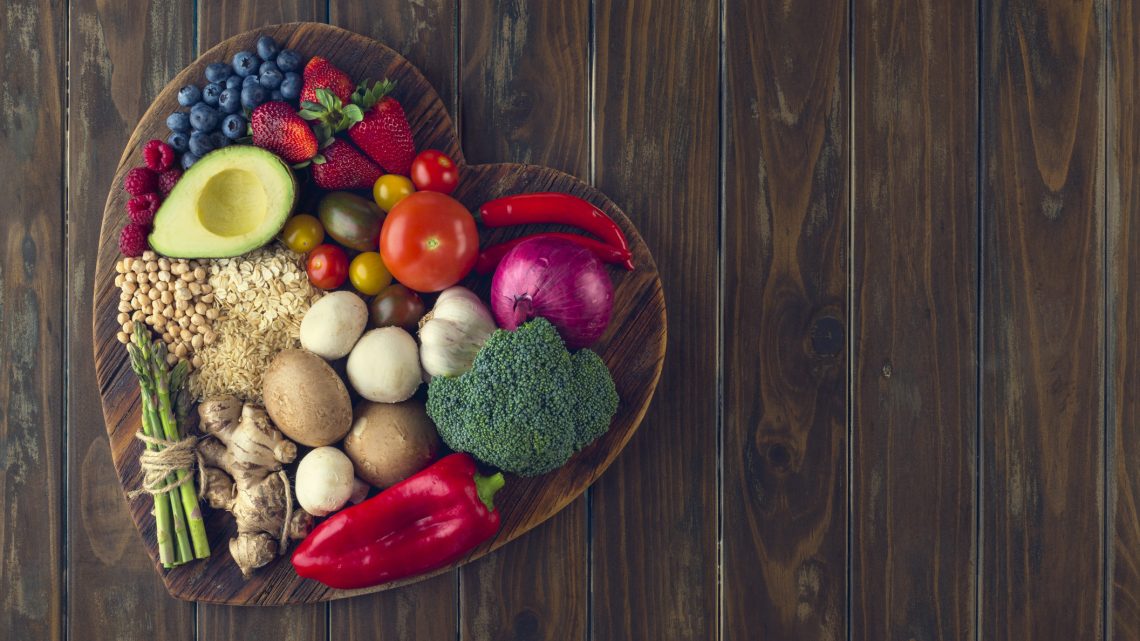
Over the years, research has shown that certain foods not only contribute to maintaining heart health but can also provide protection against cardiovascular diseases.
From fruits and vegetables rich in antioxidants to healthy fats and lean proteins, dietary choices can play a significant role in reducing the risk of heart disease.
Fruits and Vegetables Rich in Antioxidants
Fruits and vegetables are natural sources of antioxidants, substances that fight free radicals and reduce inflammation in the body. Among the most effective for protecting heart health are:
Berries: Blueberries, raspberries, and blackberries are rich in antioxidants such as vitamin C and flavonoids, which help lower blood pressure and improve blood vessel health.
Leafy Greens: Spinach, kale, and lettuce are excellent sources of essential vitamins and minerals for heart health, such as vitamin K, which aids in blood clotting and prevents calcium deposits in arteries.
Avocado: This delicious fruit is rich in healthy monounsaturated fats and fiber, which help lower cholesterol levels and maintain the elasticity of blood vessels.
Healthy Fats with Cardioprotective Effects
Healthy fats, especially those from plant sources and fish, have demonstrated the ability to protect the heart against cardiovascular diseases. Among these are:
Olive Oil: A primary source of monounsaturated fats, olive oil is associated with a reduced risk of heart disease and lower blood pressure.
Fatty Fish: Salmon, tuna, and sardines are rich in omega-3 fatty acids, which have anti-inflammatory properties and can reduce the risk of cardiac arrhythmias and strokes.
Nuts and Seeds: Almonds, walnuts, and flaxseeds and chia seeds are excellent sources of healthy fats, fiber, and antioxidants that contribute to maintaining heart health.
Fiber and Lean Proteins
Dietary fiber and lean proteins are essential components of a heart-healthy diet. They help maintain blood sugar levels and reduce the risk of obesity, diabetes, and heart disease. Some important sources include:
Legumes: Lentils, beans, and peas are rich in soluble fiber, which can lower LDL cholesterol levels in the blood and improve heart health.
Lean Meat and Skinless Poultry: These protein sources are rich in essential nutrients but contain less saturated fat and cholesterol than red meat, making them a healthier option for the heart.
Whole Grains: Brown rice, quinoa, and oats are excellent sources of fiber and complex carbohydrates, which can help maintain blood sugar levels and reduce the risk of heart disease.




